
15:38, 26-Nov-2017
Egypt Terror Attack: Why Wilayat Sinai extremist group widely viewed as being behind assault
 []
[]
Share







Copied
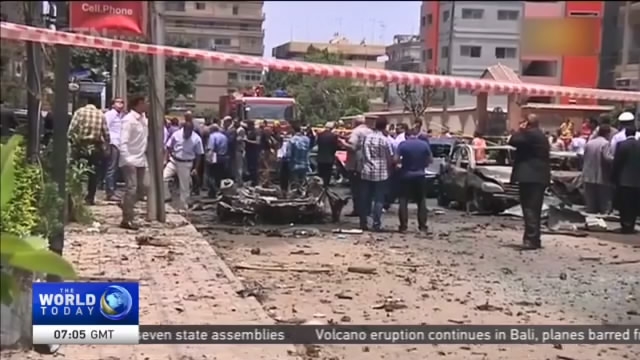
Although no one has claimed responsibility for this attack, the local branch of the Islamic State is widely considered to be behind it. Here's why:
Friday's mosque attack in Egypt has made many wonder how much the rise in terrorism in the Sinai region is related to ISIL's losing the battle for Syria.
Al-Rawdah mosque belongs to the Sufi order. In the eyes of Islamic extremist groups such as ISIL, Sufism is an "invalid" Muslim sect. Its worshippers are considered apostates because their habit of revering saints is not part of the original practice of Islam, initiated during the time of Prophet Mohammed. Geographically, unlike other Sufi mosques in heavily guarded cities, the Bir al-Abed building was a relatively easy target. The region is located outside Sinai's major cities.
Experts say the localization of ISIL is the root cause of the worsening situation in the Peninsula.
DONG MANYUAN, SENIOR RESEARCH FELLOW CHINA INSTITUTE OF INTERNATIONAL STUDIES "So the followers of Muslim brotherhood show high respect, and finally pledge their elegance to him. The terrorist attacks indicates that successfully established their presence in Sinai Peninsula and localize."
Egypt has been fighting Islamic extremism in the rugged and thinly-populated Sinai Peninsula for over a decade. Islamists have operated there since 2004, but the most dangerous extremist group in the province today is Wilayat Sinai. The group has killed hundreds of Egyptian security personnel, and was also responsible for attacks on civilians.
Meanwhile, Egyptian security forces have failed to connect with an alienated local population in Sinai. Analysts believe mass arrests and imprisonments have degraded the relationship between tribal groups and state security services.
In January this year, the Global Terrorism Index named Egypt as one of the ten countries worst affected by terrorism in the world. This places it ahead of Libya, Ukraine, and Turkey.