BUSINESS


Opinion: China's innovation economy nothing to scoff at
2017-02-21 16:50:14 GMT+8






Editor
Li Kun
Guest commentary by Patrick Musgrave
There's an often-repeated – I'd argue over-repeated – quote among academic observers of China's incredible rise since its opening up in the 1980s. Seemingly eons ago, when the world was a vastly different place than it is today, legendary French military leader Napoleon Bonaparte said of China "Let China sleep; when she wakes she will shake the world". I don't know about "shaking," but China does seem to be on the cusp of something incredible.
And no, I'm not talking about the grand tale of geopolitical rivalry with the Western world, so casually bandied about. I'm talking about a much deeper and longer-lasting economic shift that will define the way the world works over the coming century: the shift from "Made in China" to "Invented in China."
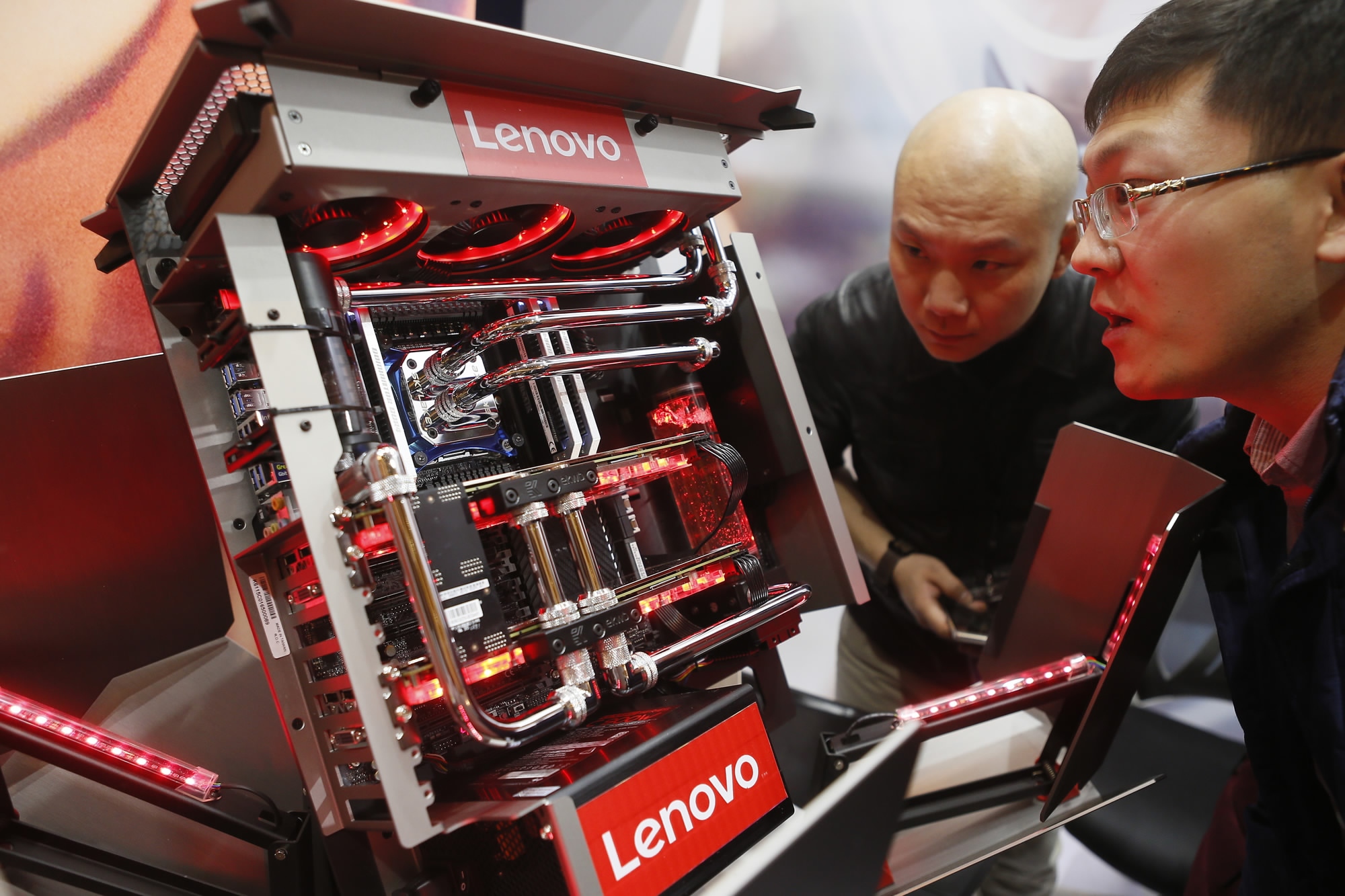
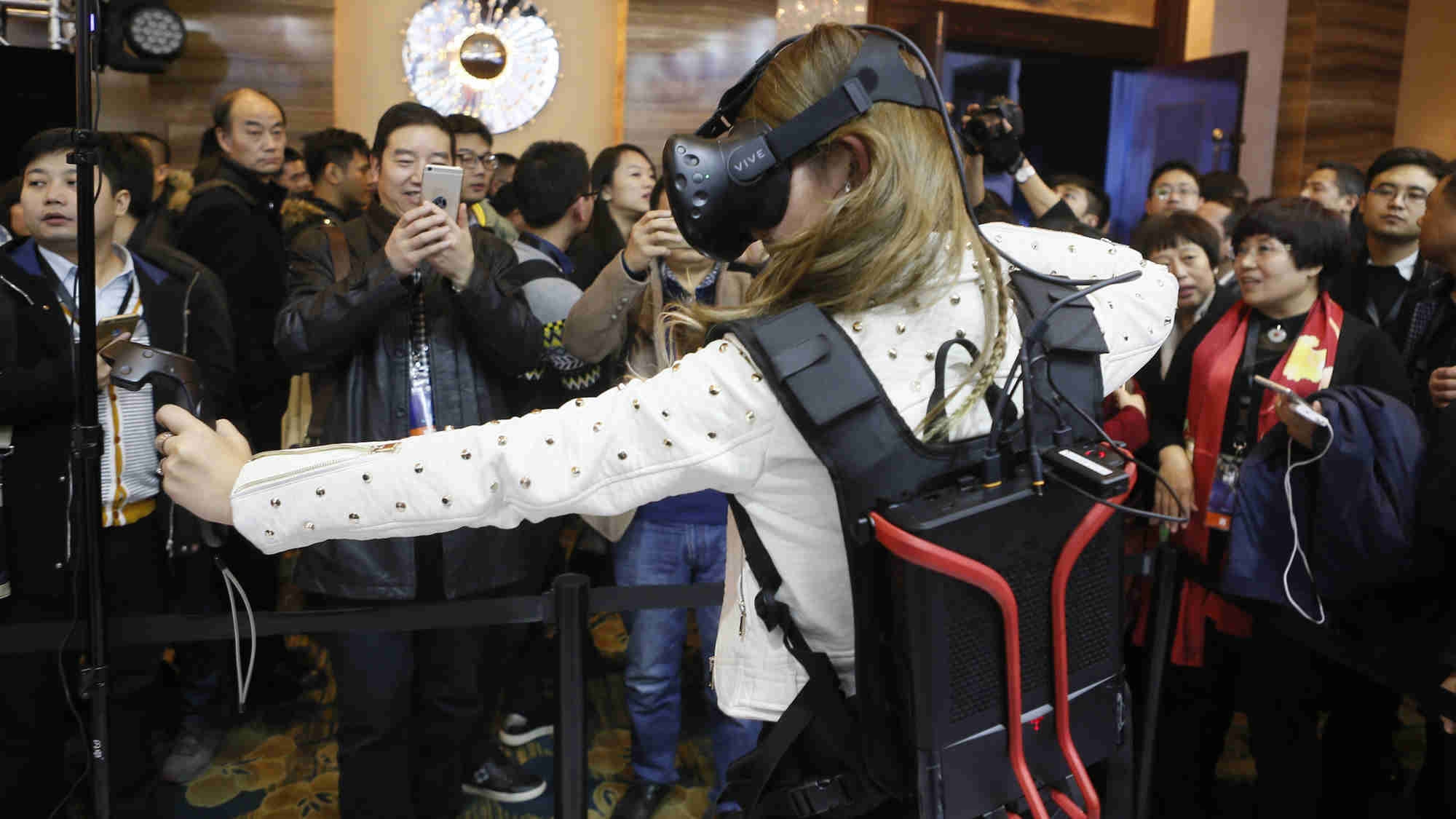
The science and technology and innovation summit held by Lenovo China launched on December 28, 2016 in Xi'an, capital city of northwest China's Shaanxi Province. /CFP Photo
This is a shift that a lot of commentators and pundits just don't find convincing. Prominent global strategy consultant Edward Tse touches on this disconnect in his book "China's Disruptors: How Alibaba, Xiaomi, Tencent, and Other Companies are Changing the Rules of Business", finding plenty of examples of most often misguided incredulity. "I challenge you, name one innovative project, one innovative change, on innovative product that has come out of China," jeers former US vice president Joe Biden. "Why China Can't Innovate", a Harvard Business Review article seeks to address.
Despite the fact that these implications are less than accurate, to say the least, there's a deeper flaw with this willful ignorance of innovations coming out of China.
It's reasonable to accept that China's innovation economy has lagged the rapid expansion of its manufacturing growth base over the past few decades, but people err in extending this simple heuristic to current developments. Far too few appreciate the gravity with which China's innovation economy's now-expanding scope will ramify into every nook and cranny of the international economic landscape.

The science and technology and innovation summit held by Lenovo China launched on December 28, 2016 in Xi'an, capital city of northwest China's Shaanxi Province. /CFP Photo
Imagine, for instance, that "innovativeness" could be quantified along a single dimension; one number can fully describe the usable innovative output a person, company, or indeed an aggregate country is. Now imagine that Canada – my birthplace, so as good an example as any – becomes twice as innovative next year. This would be an incredible and ridiculous feat, but one that the world would instantly recognize has profound and long-lasting implications. No one would be surprised that cutting-edge technology companies are relocating their R&D there, or that in the decades to come it would be a formidable breeding ground for the globe's top talent across a host of industries.
Now consider that with China's relative population, this same feat is achieved with about a meager two percent growth in our imaginary "innovativeness" scale. Two percent is next to nothing – it would surprise no one that massive public and private investments in everything from education, cultural experiences, and even travel are bringing about many multiples of that kind of raw growth in ingenuity and industrial creative capacity.
Now back to earth. Innovation is notoriously difficult to actually measure objectively, so don't expect the rhetoric to catch up to reality any time too soon. This inevitable growth, though, in the raw drive to create will surely be transformative. We're on the cusp, I believe, of a decade that will define China's future, and the global population's future far beyond its borders. A decade, perhaps, that will be "Invented in China."
(Patrick Musgrave is an independent journalist based in Beijing. He previously worked as Senior Technical Editor and Content Manager with CSOFT International. The article reflects the author's opinion, not necessarily the view of CGTN.)
Copyright © 2017
SHARE
- EXPLORE
- MORE
FOLLOW US