
17:59, 28-Feb-2019
Highlight - What are the Specific Categories of Problems Faced by Targeted Poverty Alleviation?

Share






Copied
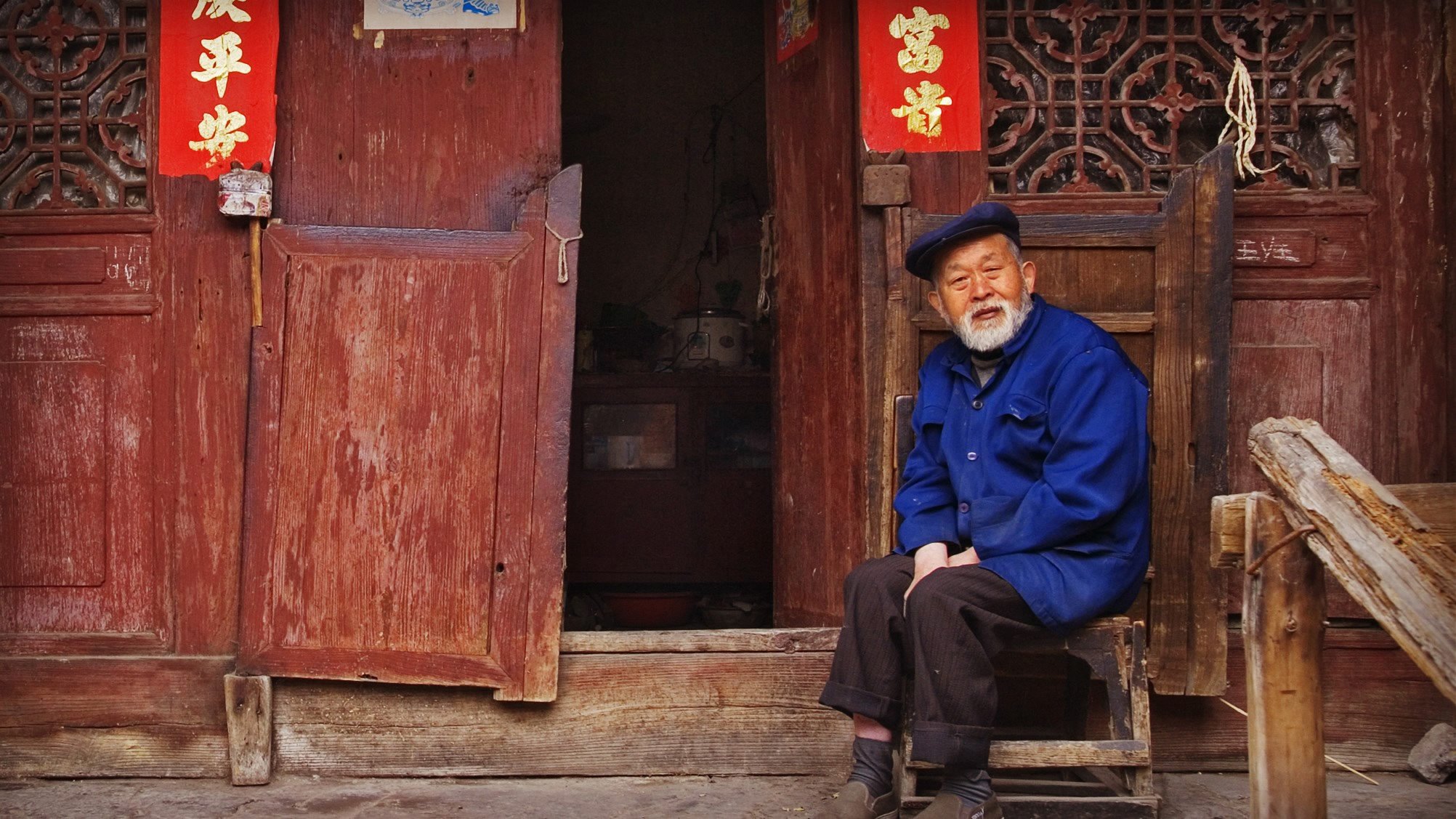
General Secretary Xi Jinping made Poverty Alleviation a cornerstone of his domestic agenda, because for China to truly become a “moderately prosperous society” by 2020, there could not remain any Chinese citizens living below the line of extreme poverty. Now that China has a grand vision of poverty alleviation, what are the specific categories of problems or issues? Robert Lawrence Kuhn asked Wu Guobao, Director of Center for Poverty Studies at the Chinese Academy of Social Sciences.
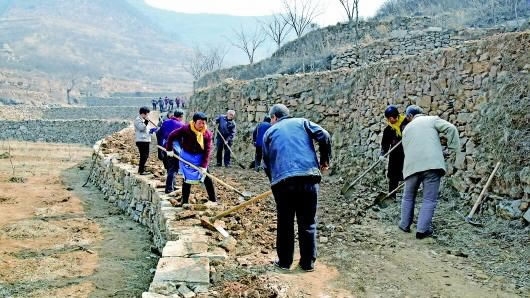
Villagers of Houchi Village, Handan City, Hebei Province are building road.
Villagers of Houchi Village, Handan City, Hebei Province are building road.
“I think we face a challenge in two aspects. First, among the remaining poor people, quite a number of them are still in remote areas where transportation and education are really poor. Those are regions that are called ‘deep in poverty’. And the poverty alleviation methods for them have to be different from the former ones. As a matter of fact, between 2013 and 2016, the poverty issues we dealt with were more due to a lack of income sources or housing, education and health problems. Deep poverty actually requires more comprehensive measures and more investment than before so as to ensure elimination of poverty by 2020. Then, for the newly generated poor population, how we can include them in the system in a timely manner and effectively tailor our poverty alleviation methods to their needs also constitute a very demanding challenge.”