CULTURE


New 'wave' of Chinese soft power sweeps South Korea
2016-12-19 14:13 GMT+8







Editor
Deng Junfang
Chinese culture influences South Korea in what is being termed the “Chinese Wave”.
The “South Korean Wave”, the flow of Korean culture, from music to movies, has had a major global influence and nowhere more so than in China but we could now be witnessing a new kind of wave and this time influencing South Korea - the “Chinese Wave”. Chinese culture in the form of television, electronic goods and even education is having a major impact on its Asian neighbor.
CFP Photo
A report from South Korea’s Joongang Daily says that South Koreans aged between 20 and 39 have become the main consumer of Chinese brands, like Xiaomi and Huawei, in the country. While outside the country the number of South Korean students studying in China makes up nearly 30 percent of all overseas students in China.
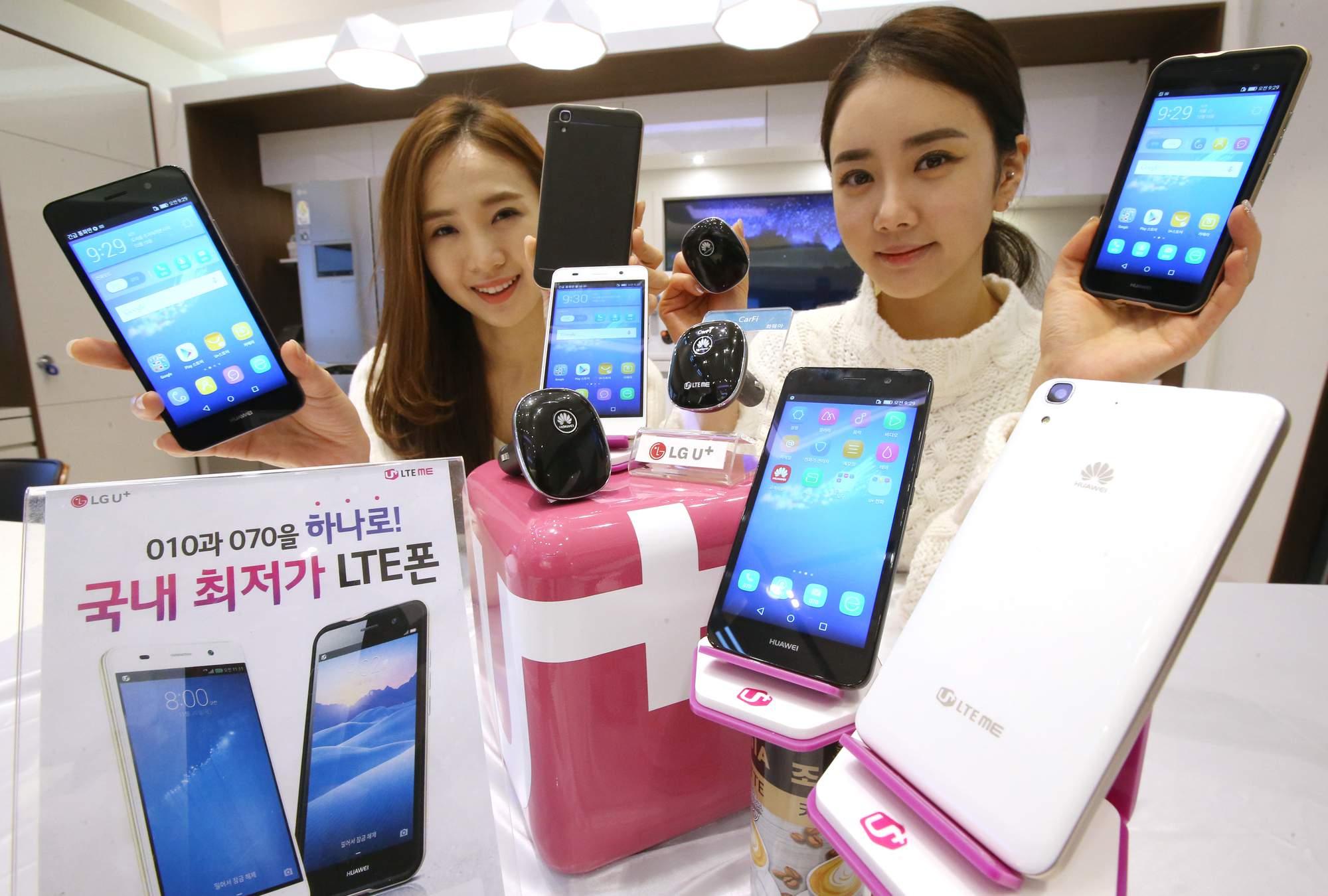
South Korea is home to sophisticated electronic brands, including Samsung, SK and LG, but the recent highly publicized battery problems of some of the country's brands have affected their popularity in their very own country with Chinese phones increasing their market share.
CFP Photo
Kim Jin-il, a 31-year-old office worker in Seoul, finally changed his phone to a Chinese brand, Huawei P9 following the recommendation from his friends.
“I’ve realized that I’m using more Chinese products,” Kim said to the Joonang Daily.
CFP Photo
Another Chinese electronic brand, Xiaomi has also made its way to the South Korean market. One of its scooters has become one of the “hot products” on sale in South Korea.
“We can sell out 1,000 scooters a month. South Koreans like Xiaomi so much, so we are going to import more of their products, like humidifiers and rice cookers,” said Chung Jin-ho, a manager at KomaTrade, Xiaomi’s distributor in South Korea.
In the past Chinese brands’ main selling point was their low cost when competing with other global brands. However, Chinese products are seen by many industry analysts as being on a path of transformation from just being a place of cheap production, “Made in China”, to the idea of “Created in China” being a major selling point.
The Chinese government has said it wants product design to be at the core of the country’s competitiveness, not just the price.
“Made in China is no longer the symbol of cheap products when compared to South Korean products, although smartphones manufactured by Samsung Electronics and LG Electronics are still in a class of their own,” Cho Sang-rae, CEO of Platnum, a South Korean start-up said.
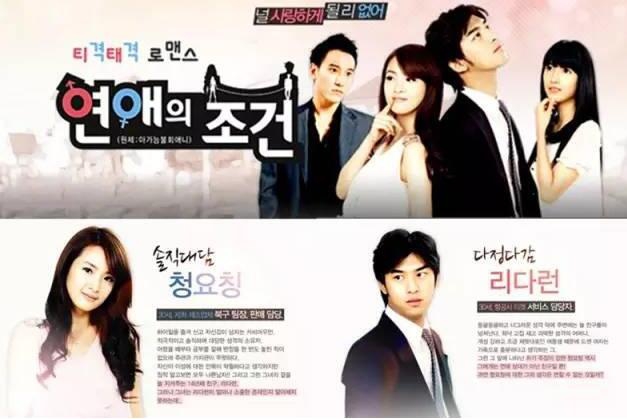
Photo via the Internet
More surprisingly, China’s TV shows have entered the South Korean TV market which is considered to be at the forefront of the country’s soft power. According to 2014 figures from Korea Creative Content Agency to Beijing, South Korean culture industry made a 32 billion US dollars’ profit, which accounted for 2.54% of its GDP. Movies and TV series with a value of 5.1 billion US dollars were exported globally, of which 43% of TV series were exported to China.
However, China’s TV shows have had a great success in South Korea. According to CJ E&M, the operator of Chunghwa TV, it has seen a 435% rise in viewership over the past five years. Chinese TV series ‘Nirvana in Fire’ brought a record-high audience to Chunghwa TV when it was first aired in South Korea last year, and became a hot topic on South Korean social networks.
CFP Photo
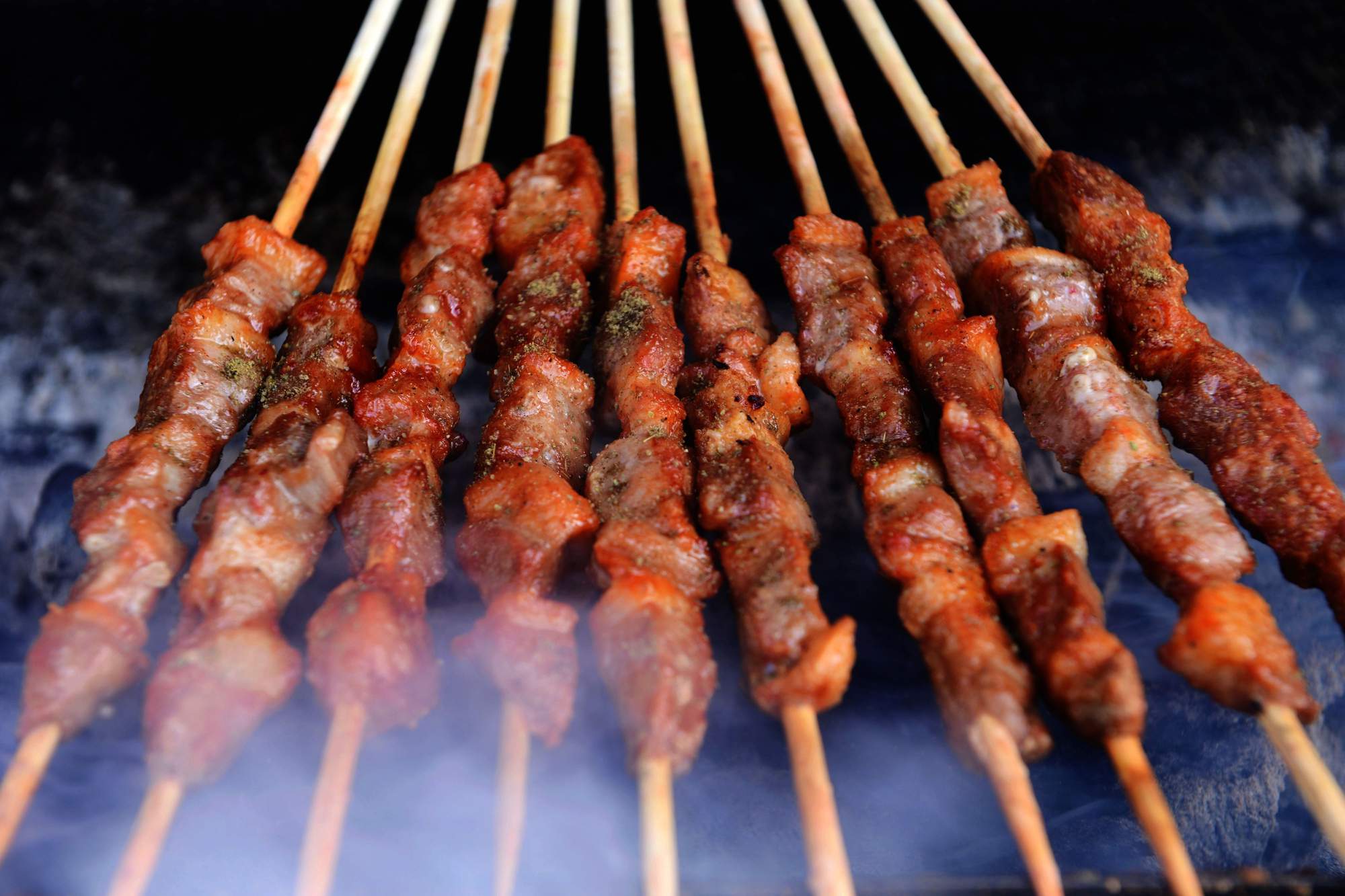
TV series can often have far-reaching consequences beyond simple viewing habits--they can even influence people’s dietary habits. Many Chinese fans of South Korean TV series are infatuated with Korean barbecue and deep-fried chicken with beer as they are often shown on South Korean TV shows. But recently young South Korean people have embraced China’s lamb skewers with Chinese Tsingtao beer.
“The Chinese government has been focusing on soft power, like culture, catering and furnishings. The competitiveness is rising as China is getting richer,” explained Chung Won-sung, a director at China Huayi Brothers Entertainment in South Korea.
(Story by Sun Xiao, Cover photo via the Internet)
Copyright © 2017
SHARE
- EXPLORE
- MORE
FOLLOW US