
14:11, 06-Nov-2017
APEC Economic Commitment: Significant progress in Bogor Goals amid protectionism
 []
[]
Share







Copied
In 1994, APEC leaders committed to achieving the 'Bogor Goals' of free and open trade and investment by 2020. It began as a strong foundation to promote free trade across the Asia Pacific region for APEC member economies. Today, the vision still remains strong but with growing protectionism in the US and several European countries, the plan could see further challenges. CGTN's Silkina Ahluwalia reports from Jakarta.
More than a decade after the Bogor Goals were adopted, members of the Asia-Pacific Economic Cooperation has seen significant progress. Bogor Goals began as a way to increase Indonesia's and other APEC member countries' inclusive growth. The vision was simple to adopt a goal of free and open trade and investment in the Asia Pacific region by 2020. This will help to reduce barriers to trade and create a smoother flow of goods and services among the member economies. This year's APEC forum will bring those visions back to life.
BHIMA YUDHISTIRA ECONOMIST "I find that this APEC Bogor Goals is very important as a foundation once again. This is impacting some industries and services. In industry manufacturing we get cheaper raw materials for production and have a broader access to international market. Our small and medium businesses can reach Japan, can reach China and other APEC member countries."
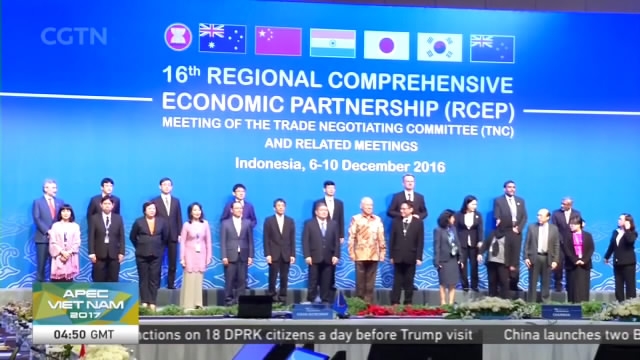
The foundation of Bogor Goals have also resulted in many bilateral and multilateral trade agreements including the mega trade deal, the Regional Comprehensive Economic Partnership. But with less than three years until the deadline, there are still many challenges ahead.
SILKINA AHLUWALIA JAKARTA The changing trend of trade protectionism in the US slowed down the progress of Bogor Goals. That's one of the reasons why this year's APEC meeting is very important to further strengthen ties between all of the countries involved and shift from having inward-looking policies towards a more open outlook on global trade.
Many industries are already benefiting from the concept of Bogor Goals, sectors such as banking, pharmaceuticals industry and steel production, among others.
DENY WACHYUDI KURNIA INDONESIAN TRADE MINISTRY "Since APEC was established the level of tariff has been decreased from average of 17 percent to now 5 percent, that's quite interesting. And the Asia Pacific region, APEC economy, has been able to maintain the dynamic nature of the regional economy."
Bogor Goals remains an important vision for Indonesia. Reducing trade barriers means more investments and lower cost of imports to fulfill the country's domestic demands while increasing targeted market worldwide. Silkina Ahluwalia, CGTN, Jakarta.