BUSINESS


Peru turns arid valley into fertile farmland to feed export demand from China
2017-05-10 08:50 GMT+8






Editor
Wang Lei
By CGTN's Dan Collyns
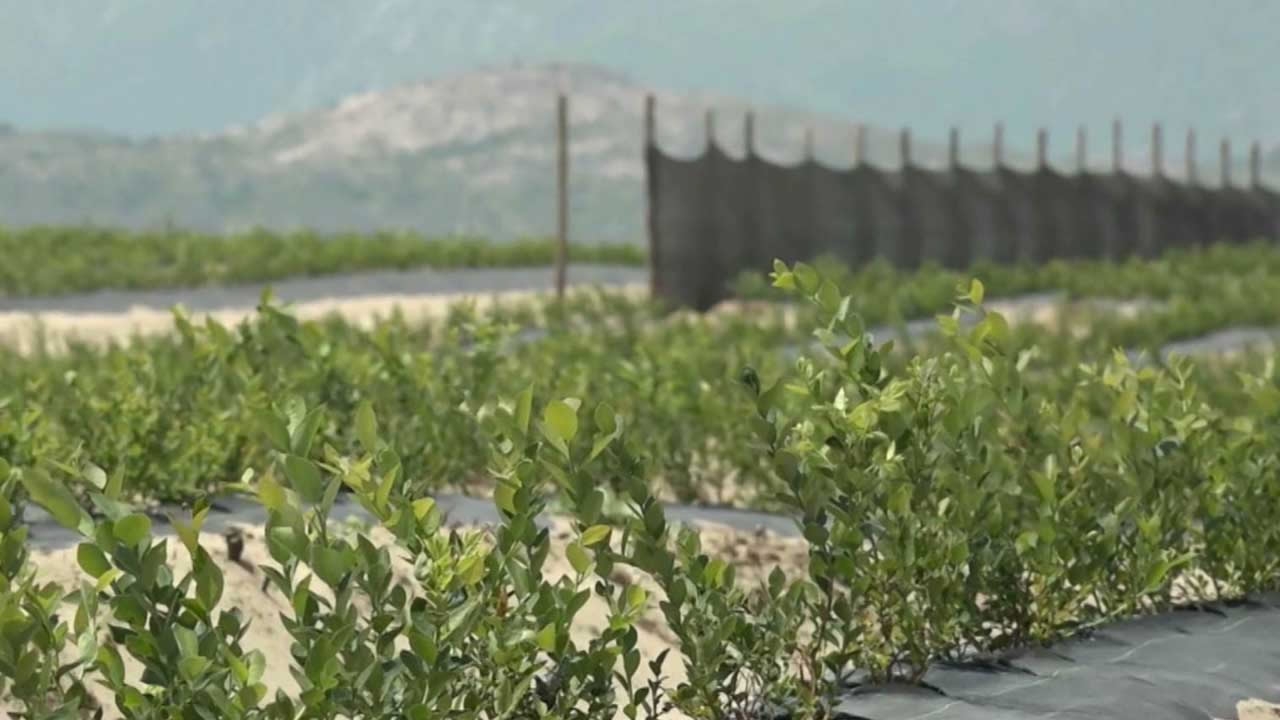
In northern Peru, the valley region of Olmos is turning itself into an agricultural powerhouse. The region is producing fruit and vegetables for global markets, especially China.
Peru is among the world’s biggest producers of asparagus, and to increase capacity for this and other fruits and vegetables, it has been investing hundreds of millions of US dollars into a normally desert region in the northern part of the country.
Olmos, in Lambayeque province, is now at the leading edge of a Peruvian agricultural boom.
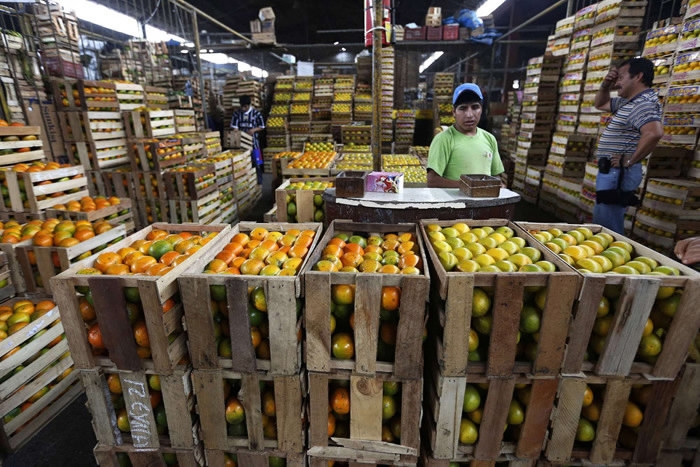
A vendor sells oranges at a wholesale fruit market in Lima, Peru on February 4, 2015. /VCG Photo
The region is part of Peru's largest irrigation project, watering an area of 400 square kilometers with the help of a 20-kilometer tunnel drilled under the Andes mountains.
"It may well be a big investment but this area allows for a high level of production at low cost at a time when there are not a lot of products on the market. We have the quantity when prices are high, and that makes this business profitable. Of course, we aim to get all the necessary certificates to access the most important global markets," said Juan Jose Gal'Lino, executive director of sustainable farming company Agro Vision.
Harvesting in the region takes place during the Northern Hemisphere's off-season, giving Peru's agricultural business an upper hand.
And one of the largest markets for Peruvian vegetables is China. Chinese consumers are willing to pay a premium for larger blueberries, avocados and citrus fruits.

Blueberries are popular among Chinese consumers. /VCG Photo
With increased demand from international buyers comes the need for more workers.
"Working in agriculture is the least qualified job. It's an economic activity which, I believe, will help Peru beat poverty," Gal'Lino said.
Workers in Olmos earn Peru's minimum wage, which is 10 US dollars per day. However, locals still complain big business has been the beneficiary of the investments, not local residents.
"The local farmer has not benefited at all. The Olmos project is just for the rich because the local farmers have not gained even a drop of water or a centimeter of land," Olmos resident Juan Mio Sanchez said.
Despite local concerns, leaders in Peru say investment in the project will continue.
Copyright © 2017
SHARE
- EXPLORE
- MORE
FOLLOW US