
Culture & Sports
22:23, 15-Oct-2016
President Xi Jinping recalls love of literature and his favorite books
Updated
10:19, 28-Jun-2018
 []
[]
Share







Copied
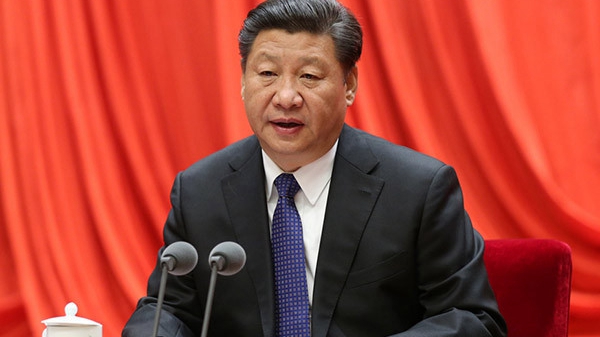
Saturday marks the second anniversary of a symposium for Chinese artists at which President Xi Jinping delivered a speech calling for artists to “create more works that are both artistically outstanding and morally inspiring.”
Below is a summary of Xi’s favorite books, together with his remarks.
1. “Serve the country with supreme loyalty”
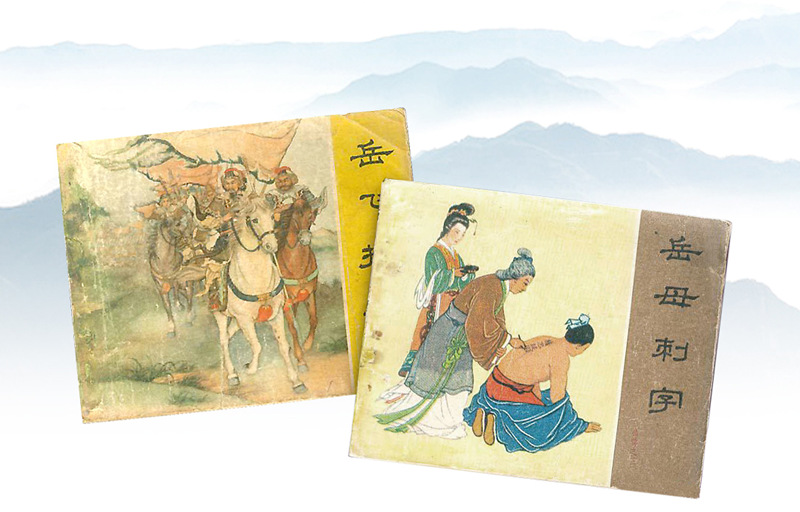
Xi read more literature when he was a teenager, and more political books as he grew older. When he was about five or six years old, his mother bought him two books about Yue Fei, a national hero from the Song Dynasty (960-1279).
One story that particularly impressed Xi was that Yue’s mother tattooed his son with a reminder to serve his country. Though it might hurt, those words would always be embedded deeply in Yue’s mind, Xi’s mother explained.
2. Read all the classics Xi could find
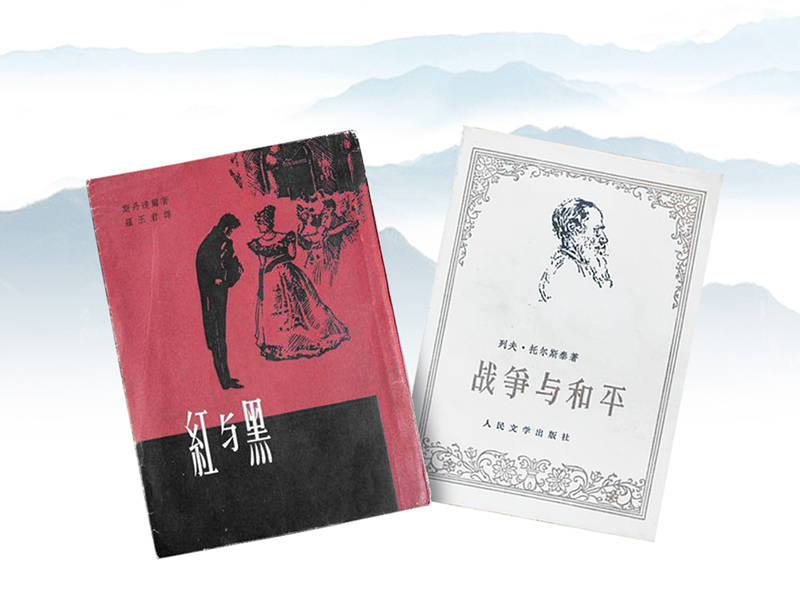
Xi said his generation was deeply influenced by the concepts of self-cultivation, family harmony, country management and world peace. Knowing the necessity of reading for self-improvement, Xi read many books while working in rural areas along with other young people.
Xi’s fellow workers, all from different schools, maintained a lively book exchange. Classics like “The Red and the Black”, “War and Peace” and textbooks from the Qing and Ming dynasties were some of the books he read in those days.
3. Epigrams from literature in the Ming Dynasty
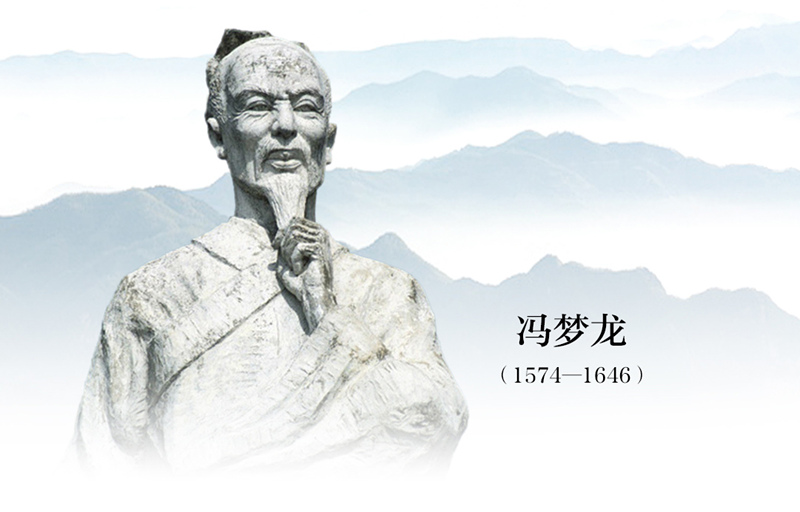
The books written by Feng Menglong, a Chinese vernacular writer and poet of the late Ming Dynasty, also left a deep impression on Xi, even inspiring him to memorize some passages.
Feng was a magistrate of the remote Shouning county in Fujian Province. Shouning county is subordinate to the city of Ningde, where Xi once worked. With personal experience of the hard life there, Xi was very impressed by Feng’s unconventional wit and has often quoted his words later in life.
4. “What Is to Be Done” and perseverance
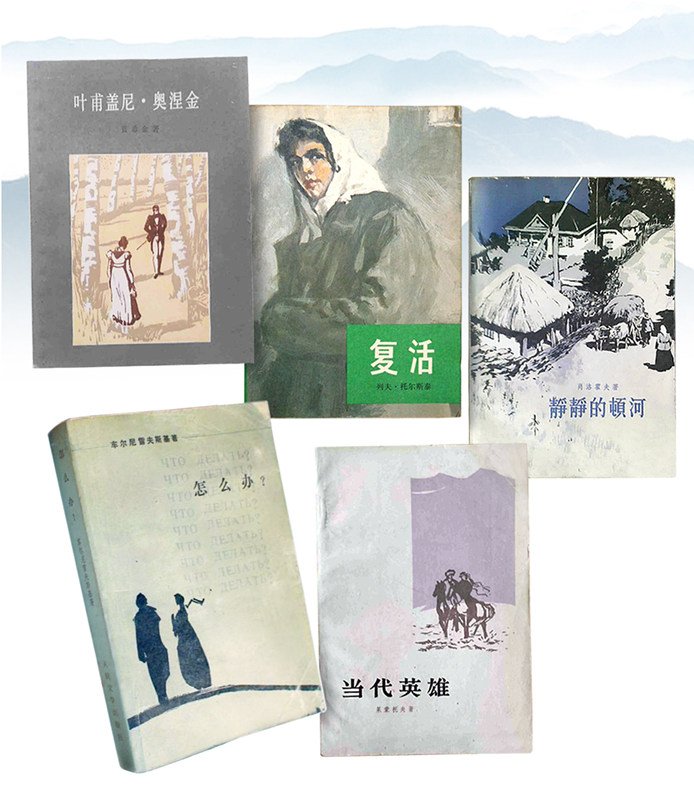
Xi also read a lot of Russian literature, such as works by Alexander Pushkin and Leo Tolstoy.
He read “What Is to Be Done” by Nikolai Gavrilovich Chernyshevsky while he was living in a cave dwelling in Shaanxi Province. Inspired by the protagonist in the book, he removed his bedding and slept on a hard brick bed, exercising even in the rain and snow. In this way, he enhanced his perseverance in order to prepare for future hardships.
5. Walked 30 miles to borrow "Faust"
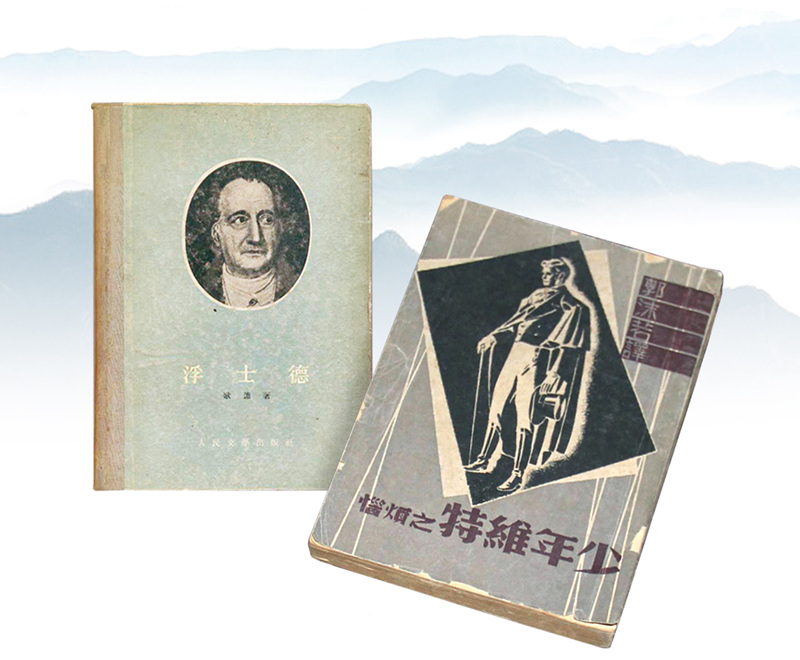
Xi read “The Sorrows of Young Werther” when he was 14. He was so eager to read Goethe's “Faust” that he walked 30 miles to borrow it from another student.
As “Faust” is hard to digest, he once told German Chancellor Angela Merkel and several German sinologists that he didn’t quite understand it. In the end, he was reassured by their response – they said that even Germans don’t always fully understand the book.
6. Visited Hemingway’s Cuba
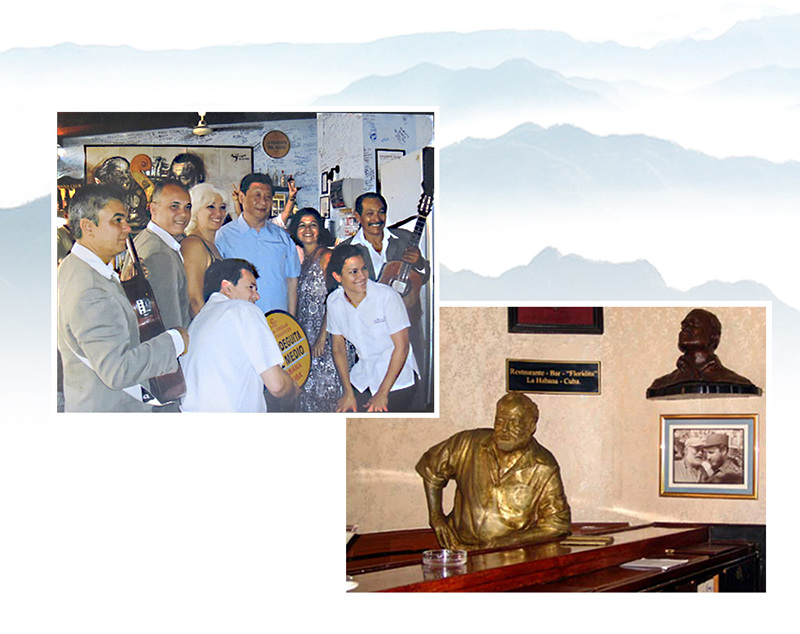
Xi didn’t read much American literature, but he was impressed by the book “Leaves of Grass” by Walt Whitman as well as several books by Mark Twain. His favorite American author is Jack London. London’s short story collection “Love of Life” was also a favorite of Lenin’s.
According to Xi, another book that impressed him was Hemingway’s “The Old Man and the Sea.” In order to experience the author’s spiritual world, Xi, during his first visit to Cuba, went to the place Hemingway wrote about in “The Old Man and the Sea”, finding it to be exactly as Hemingway had described. During his second visit, he visited the local bar where Hemingway used to write.
7. Impressed by the works of Victor Hugo
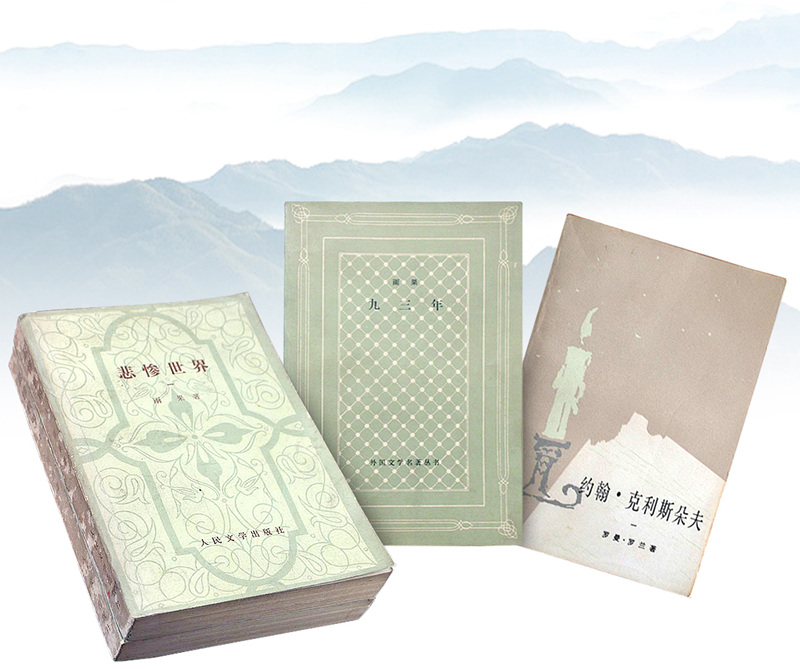
Xi once said that the novels written by Victor Hugo impressed him the most. He found the moment when Bishop Myriel enlightens Jean Valjean to be quite moving. According to Xi, it’s literature like this that possesses the ultimate power to motivate people and shape morality.
(Based on an article from People's Daily Online)