
Politics
12:36, 23-Feb-2017
Lebanese PM reaffirms support for establishment of State of Palestine
Updated
10:51, 28-Jun-2018
 []
[]
Share







Copied
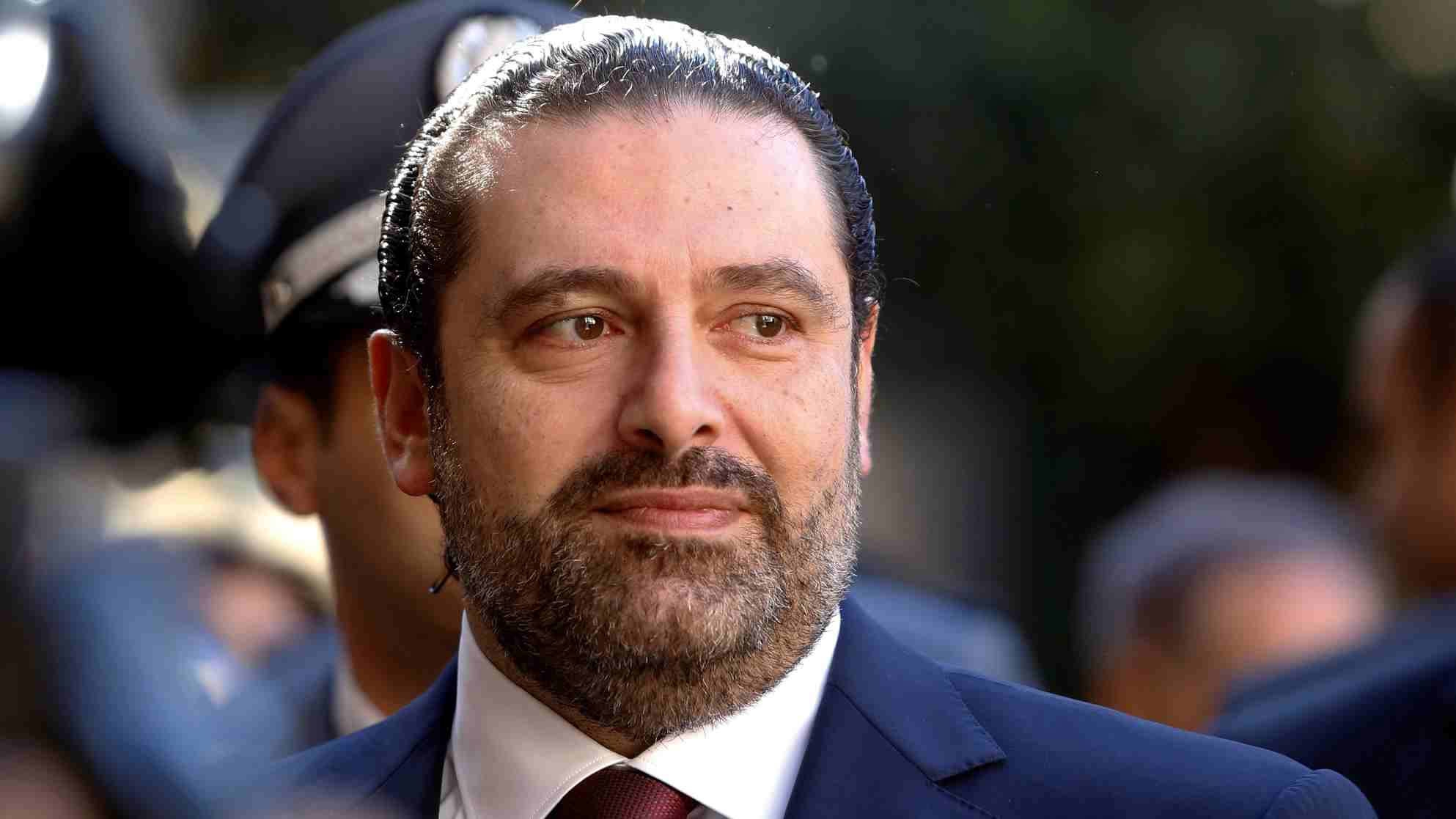
Lebanese Prime Minister Saad Hariri reaffirmed on Wednesday his country’s longstanding support for the establishment of an independent Palestinian state and the Palestinian cause.
Hariri made the remarks during a meeting with a delegation headed by Hassan Mneimneh, chairman of the Lebanese Palestinian Dialogue Committee.
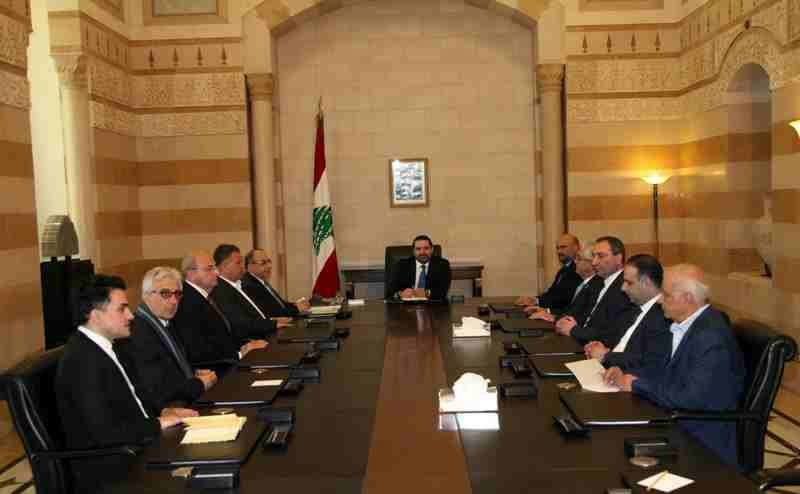
Lebanese Prime Minister Saad Hariri held a meeting with a delegation from the Lebanese Palestinian Dialogue Committee on February 22, 2017 /National News Agency Photo
Lebanese Prime Minister Saad Hariri held a meeting with a delegation from the Lebanese Palestinian Dialogue Committee on February 22, 2017 /National News Agency Photo
Lebanon was one of the countries to which Palestinians fled during the 1948 Palestine War, known in Hebrew as War of Independence and in Arabic as Al-Nakba or the Catastrophe, which broke out on the heels of the State of Israel officially coming into existence.
According to the United Nations Relief and Works Agency for Palestine Refugees (UNRWA), some 450,000 Palestinians currently take residency in Lebanon under refugee status – almost 10 percent of Lebanon’s total population.
The situation of Palestinians in Lebanon has long been a blemish in the country as most lack access to education and healthcare services, are forbidden from owning property and barred from being employed in dozens of professions.
Most live in refugee camps – 12 in number – suffering from overcrowding, substandard infrastructure, and poor housing conditions.
Lebanon, a heavily indebted country that is yet to shake off the trauma of its own 15-year-long civil war that ended in 1990, has found it hard to answer the needs of Palestinians, who depend on funding from non-governmental organizations.
The dire situation further deteriorated as over one million refugees, legally labelled as “displaced people” in Lebanon, fled from neighboring Syria as war raged there, prompting the Lebanese government to call on the international community for donations.
Hariri said that his country shoulders humanitarian duties for Palestinian refugees and displaced people from Syria.
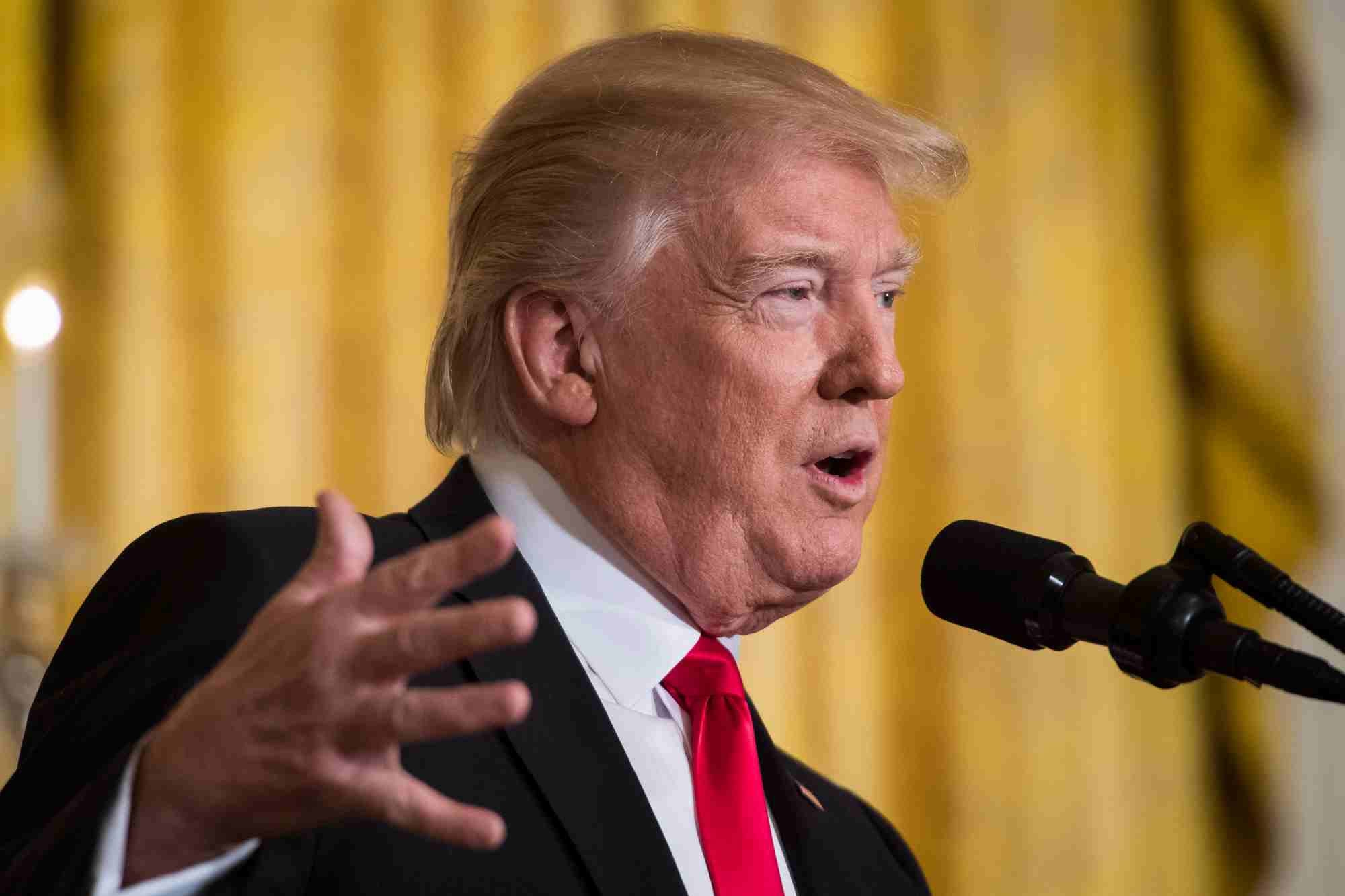
US President Donald Trump speaks during a press conference in the East Room of the White House in Washington, DC on Thursday, February 16, 2017. /CFP Photo
US President Donald Trump speaks during a press conference in the East Room of the White House in Washington, DC on Thursday, February 16, 2017. /CFP Photo
Last week, US President Donald Trump departed from Washington’s longstanding position of working towards a “two-state solution” – according to which Israel and Palestine exist side by side in peace – to end the decades-old conflict.
Trump, standing next to visiting Israeli Prime Minister Benjamin Netanyahu, said he agrees on any settlement that the two sides agree on – a statement that sent shock waves with many warning the departure from what the international community believes in could undermine the already-stumbling peace efforts to end the longest-running conflict in the Middle East.
“I’m looking at two states and one state,” Trump said, adding that he likes “the one that both parties like”.
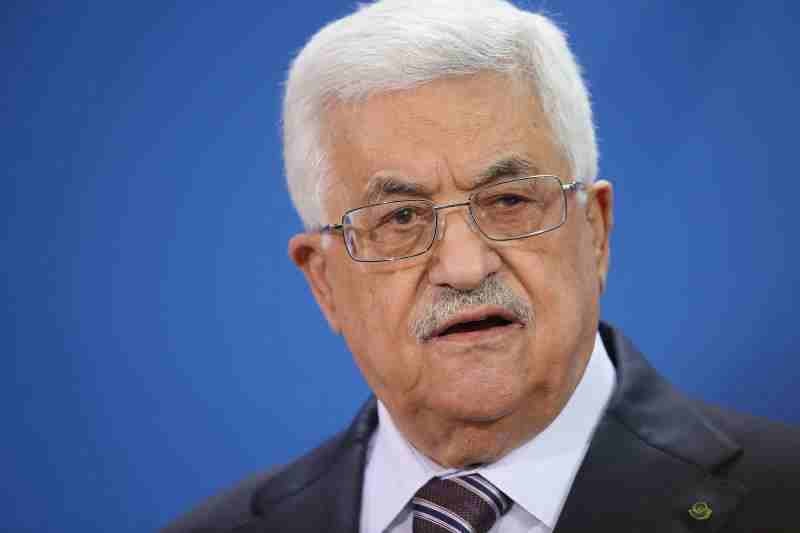
Palestinian President Mahmoud Abbas/CCTV Photo
Palestinian President Mahmoud Abbas/CCTV Photo
Palestinian President Mahmoud Abbas is starting an official visit to Lebanon on Thursday, where he will meet with the newly-elected president Michel Aoun and other high-level officials.
The issue of Palestinian refugees is expected to be on his meetings’ agenda.