CULTURE


Bike-sharing in London: a change for local travel habits
2017-03-12 12:08:51 GMT+8






Editor
Zhou Yiqiu
By CGTN's Xi Jia
Nothing says London more than the city’s big red buses and black cabs. But if you’re a bicycle lover, another option is available for getting from point A to B.

A bike-sharing scheme went live in July 2010. It was pushed forward by two-term London mayor Ken Livingstone, but launched by his successor Boris Johnson. Johnson was also among the scheme’s most prominent fans, and the cycles were soon dubbed "Boris bikes."
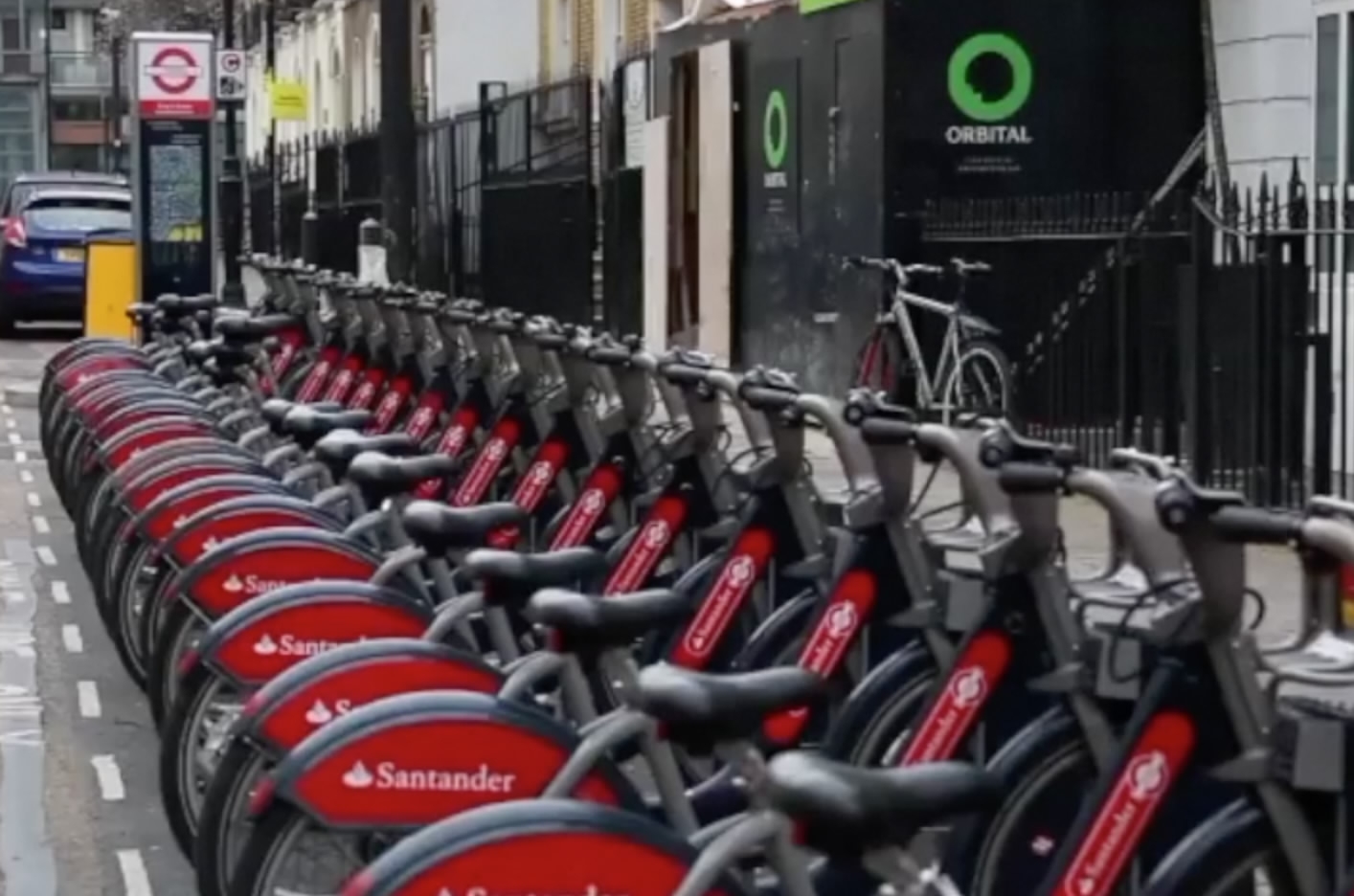
A similar cycle-sharing scheme in Paris was a mess. Theft and vandalism were common, and 90 percent of its bikes were lost in the first year. Learning lessons from Paris, the first priority for London’s attempt was security. Nearly 800 docking stations shared by 11,500 bikes have made the scheme a success.

According to David Eddington, the head of operations, users have to pay two British pounds at the docking station for access for 24 hours and can use the bikes for free for journeys of 30 minutes or less. After half an hour, it will be one British pound for every subsequent half an hour. So two British pounds can give riders several free 30-minute journeys a day.
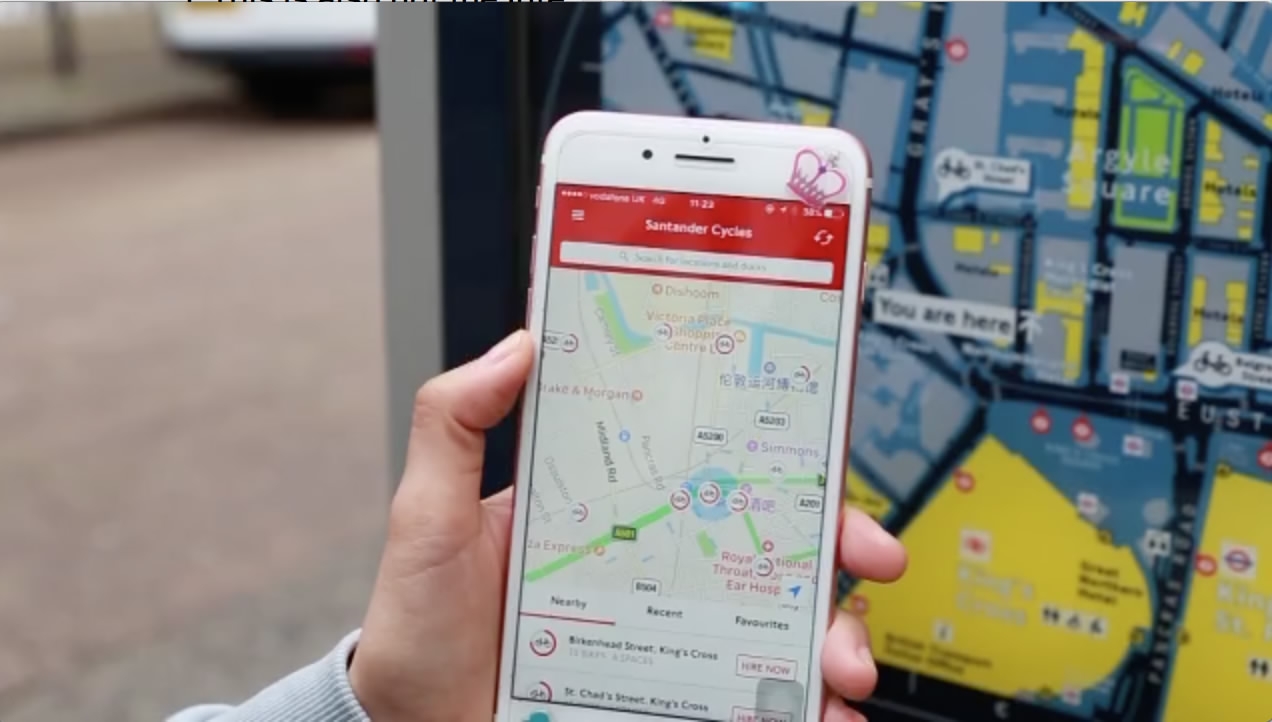
It’s much more convenient when using the bike app. People can rent bikes without a key, and they can also check the availability of these two-wheeled machines at various docking stations. Bikes are reallocated to docking stations where demand is strongest. But remember to return your bike within 24 hours, or your wallet will be 300 British pounds lighter.
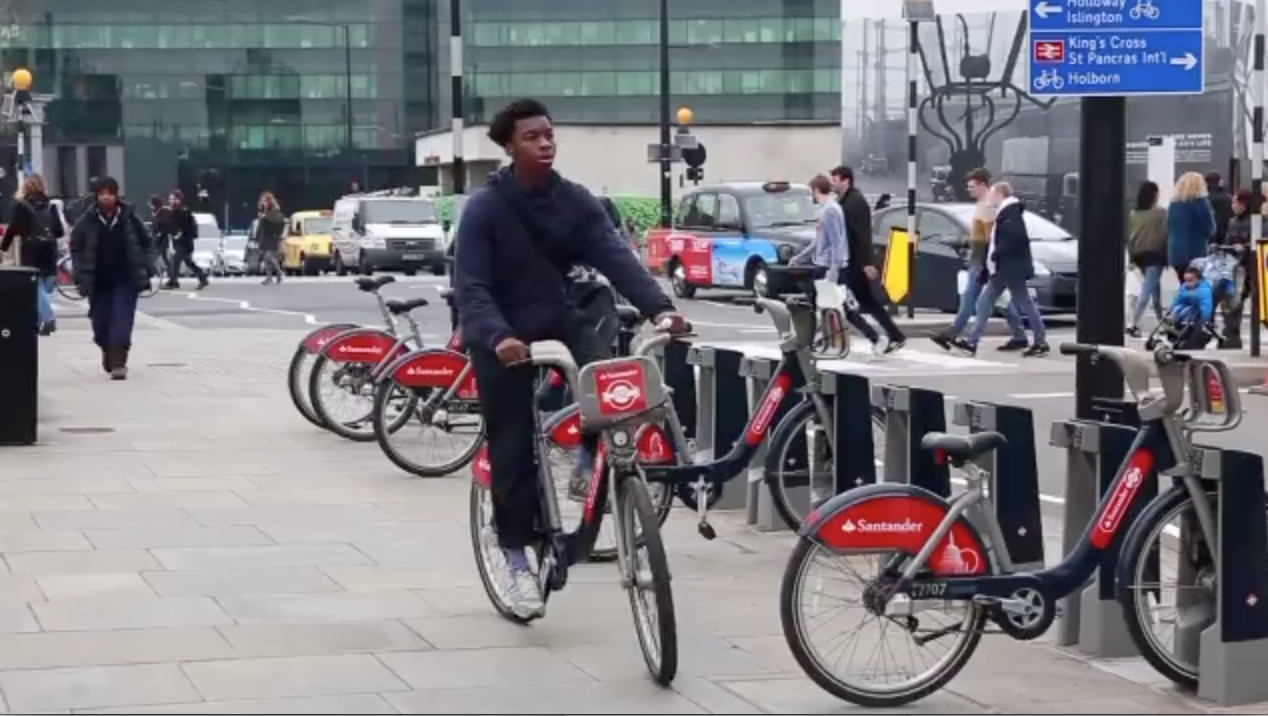
The availability of bikes has helped change travel habits for many in the city. It’s also helping keep the air clean. Starting in 2018, 600 bikes will be upgraded or replaced every year to ensure quality.
Bike-sharing services are also bringing convenience to China's busy city streets. While bike-sharing is gaining in popularity across China, it is also causing a lot of frustration. Here are the two latest CGTN reports on the bike-sharing trend in China: see if the same benefits and headaches are shared in China and the UK.
Copyright © 2017
SHARE
- EXPLORE
- MORE
FOLLOW US