
By CGTN's Nick Moore
Tibet, southwest China, is home to some of the most stunning scenery in the world, not to mention a unique culture. Surprisingly, it is also home to tea, with the world's highest tea plantation located deep within Tibet's Bomi county.
More commonly associated with Fujian, Zhejiang and Hubei provinces, Tibet's Yigong Tea Plantation, at 2,240 meters above sea level, is the highest in the world, and the only place producing tea in the region.
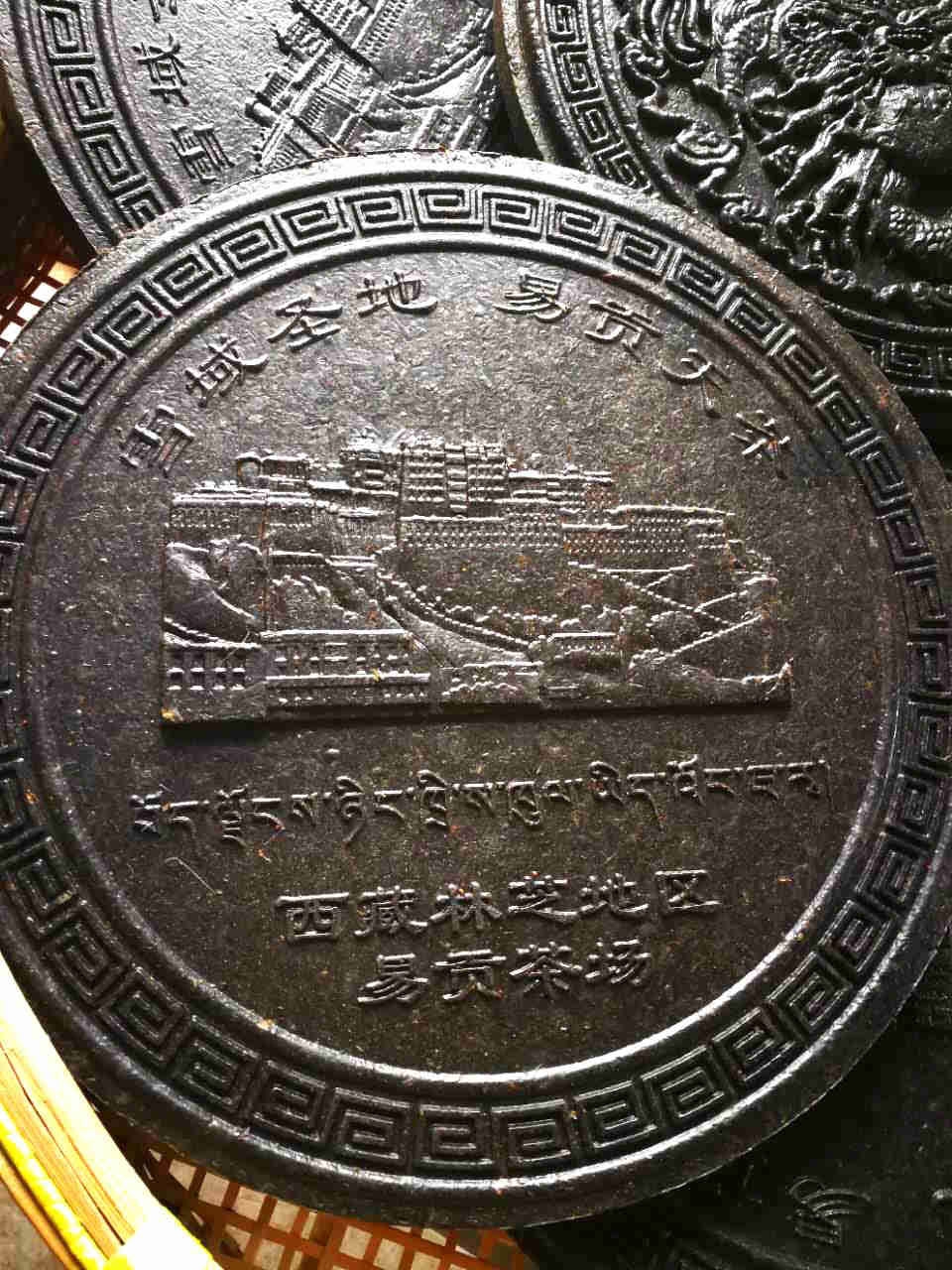
Yigong is Tibet's only tea plantation. /CGTN Photo
While much of Tibet suffers harsh weather conditions throughout the year, Yigong enjoys a unique warm climate, plentiful water running off the nearby mountains, and a very high altitude, all key factors in producing good quality tea.
The tea plantation was founded in 1964, with much of its current machinery still dating back to that time.
Yigong emphasizes the importance of quality, and avoids using 21st century technology, instead relying on its experienced staff to ensure its high standards are always met. The plantation also avoids using any pesticides or chemical fertilizers.
The vast majority of workers at the plantation are Tibetans, reflecting the importance of tea in Tibetan culture. Yigong produces a strong fermented "brick tea" that is used to make perhaps the region's most popular drink - butter tea.
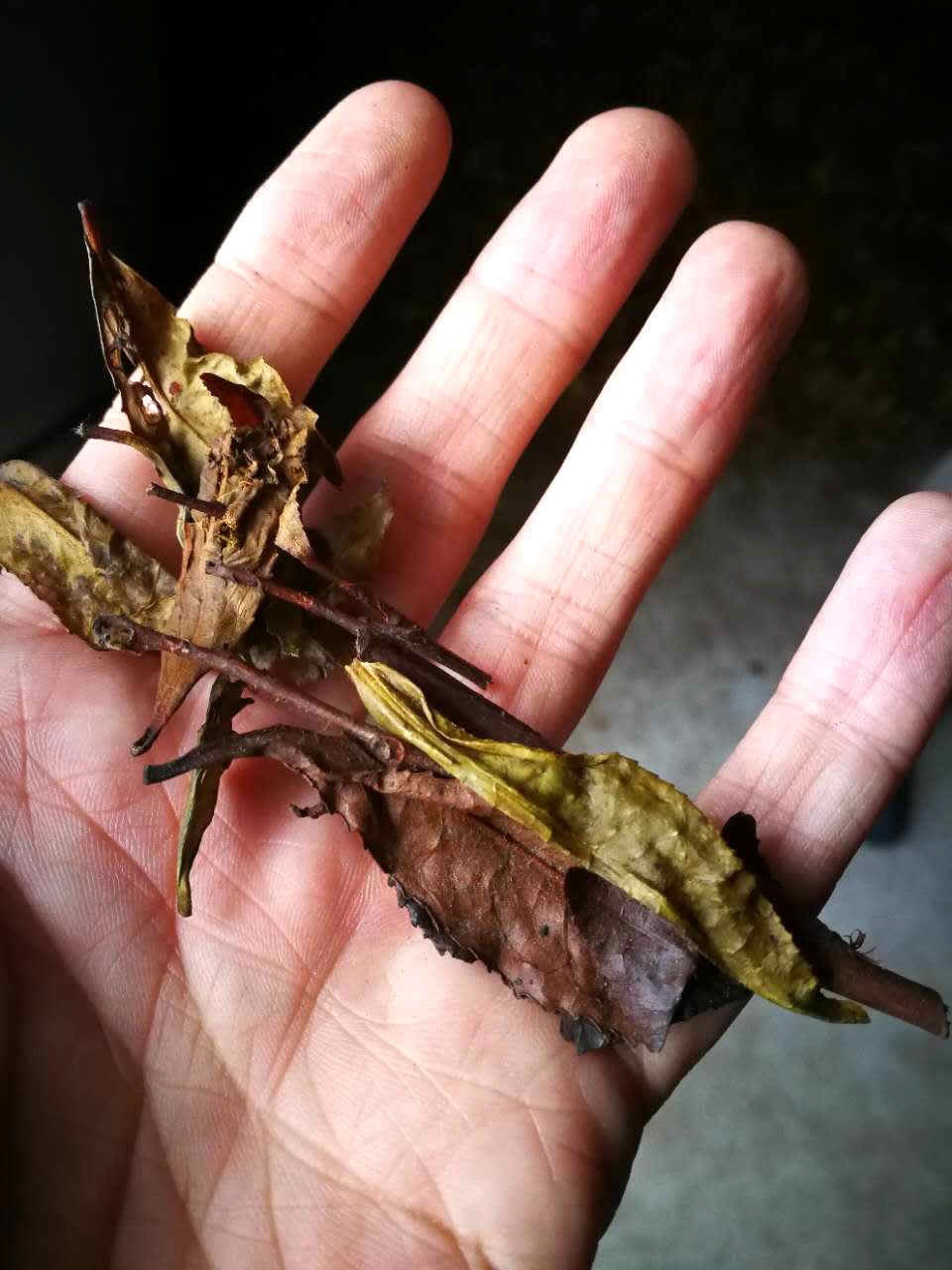
The tea used in butter tea is dried and fermented for a long period, giving it a stronger flavor. /CGTN Photo
Very much an acquired taste, butter tea – which is called Suyou tea in Mandarin – is made from strong tea, yak butter, water and salt, and has a slight cheese-like flavor. It is consumed throughout the region, and plays an important ceremonial role in welcoming guests.