POLITICS


Shanghai Communiqué: Historic encounter resonates 45 years later
2017-02-28 12:48:16 GMT+8






Editor
Deng Junfang
Chinese State Councilor Yang Jiechi met with US President Donald Trump at the White House on Monday. The visit coincides with the 45th anniversary of the signing of the Shanghai Communiqué.
The communiqué was the first of three documents that laid the foundation between what are now the world's two largest economies. Both countries depend on each other in different ways, but conflicting views still remain, especially as of late.
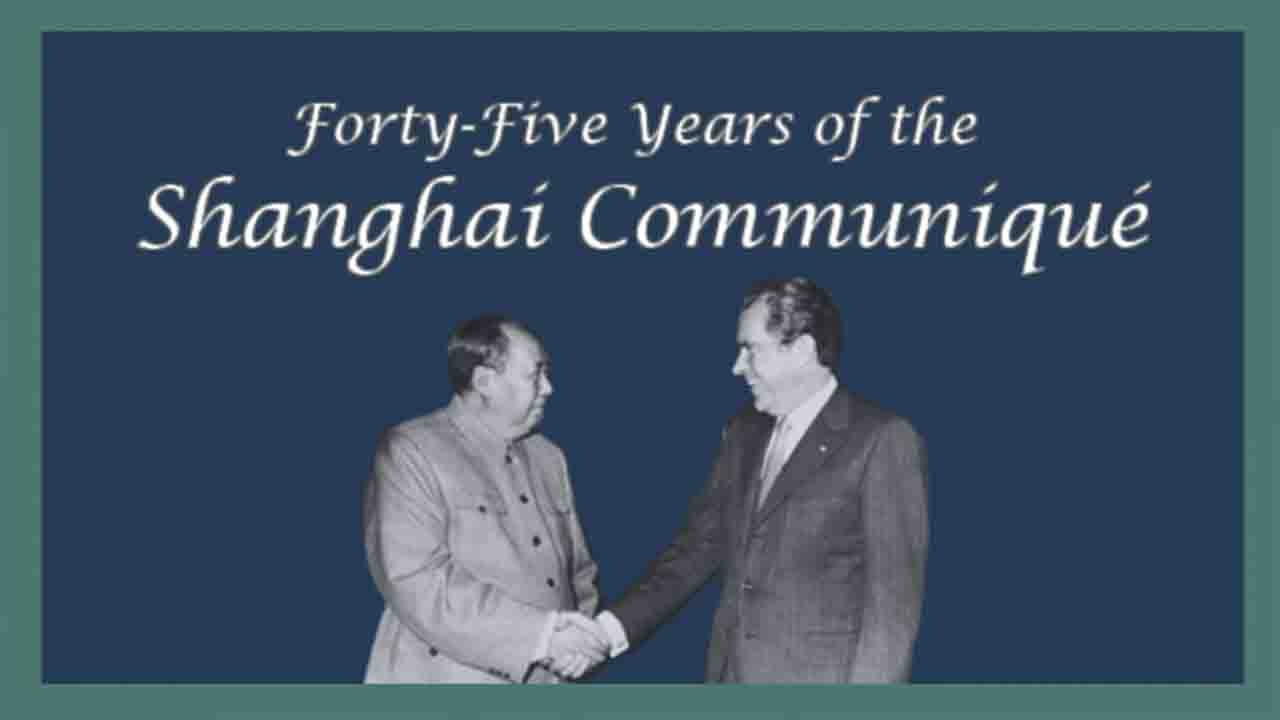
Forty-five years ago, then-US President Richard Nixon touched down in Beijing for a milestone visit to China, opening what he called a "week that changed the world.”
And it did.
This ice-breaking trip ended with the signing of the communiqué. The normalization of this crucial bilateral relationship began there.
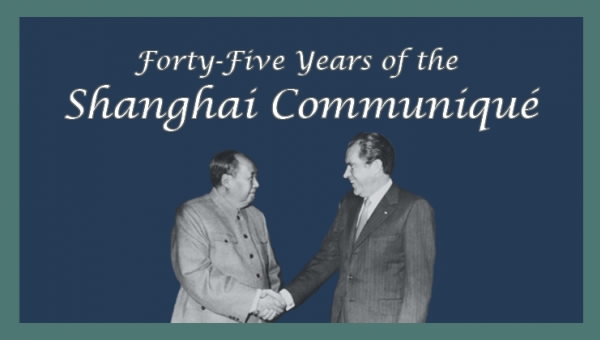
Photo via National Committee on US-China Relations
The communiqué highlighted the common interests and consensus between the two countries regarding international geopolitics at that time: Both sides were opposed to efforts by any other country or group of countries to establish a hegemony in the Asia-Pacific region. And most importantly, both agreed to respect each other's national sovereignty and territorial integrity. This was when the United States formally acknowledged the "One China" policy.
From these foundations, China-US relations have since gone through ups and downs, growing into one of the most interdependent connections in the world. Every single day, over 13,000 people pass across the Pacific between the two countries, along with 1.6 billion dollars' worth of goods and services.
"We must recognize that the government of the People's Republic of China and the government of the United States have had great differences. We will have differences in the future. But what we must do is to find a way to see that we can have differences without being enemies in war,” Nixon said at the time of the communiqué's signing.
Copyright © 2017
SHARE
- EXPLORE
- MORE
FOLLOW US