SOCIAL


A look inside the facility that incinerates 1/8 of Beijing’s waste
2017-04-23 18:40 GMT+8
26km to Beijing






Editor
Zhang Ruijun
By CGTN’s Ning Hong
As China keeps producing more and more waste, the country’s capital has turned to incineration as the way to deal with the problem.
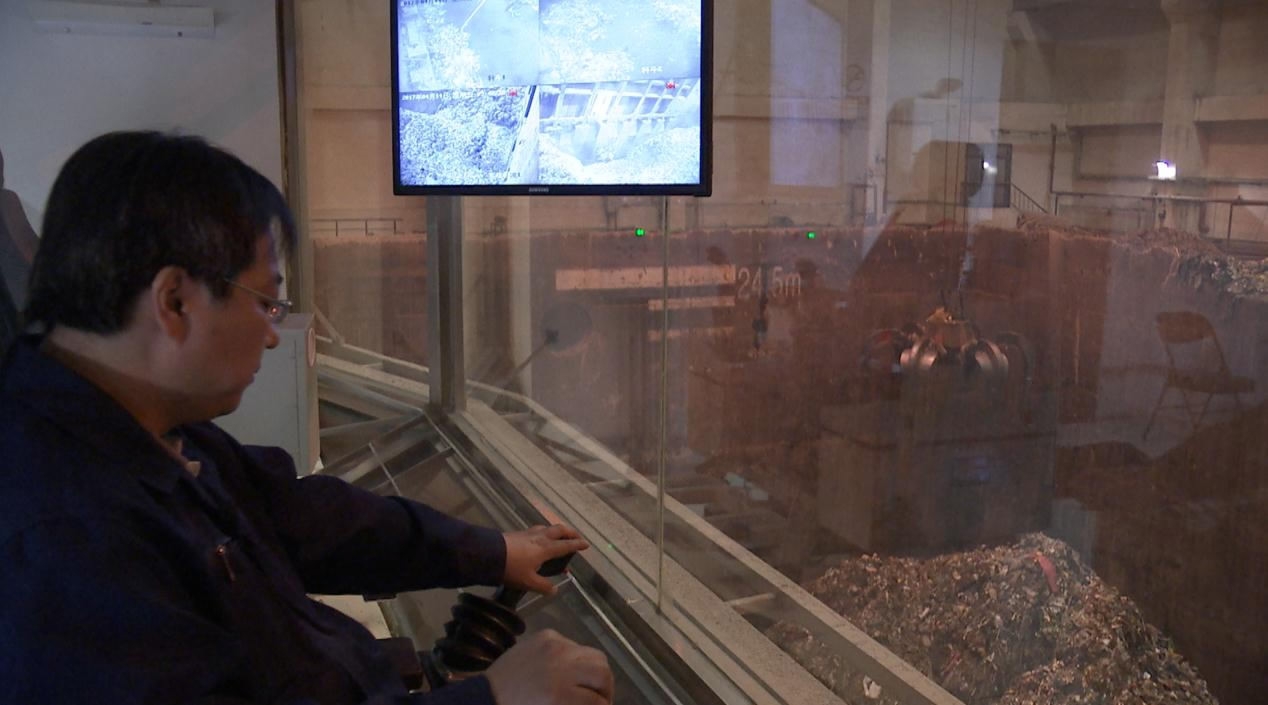
Photo provided by CGTN’s Ning Hong
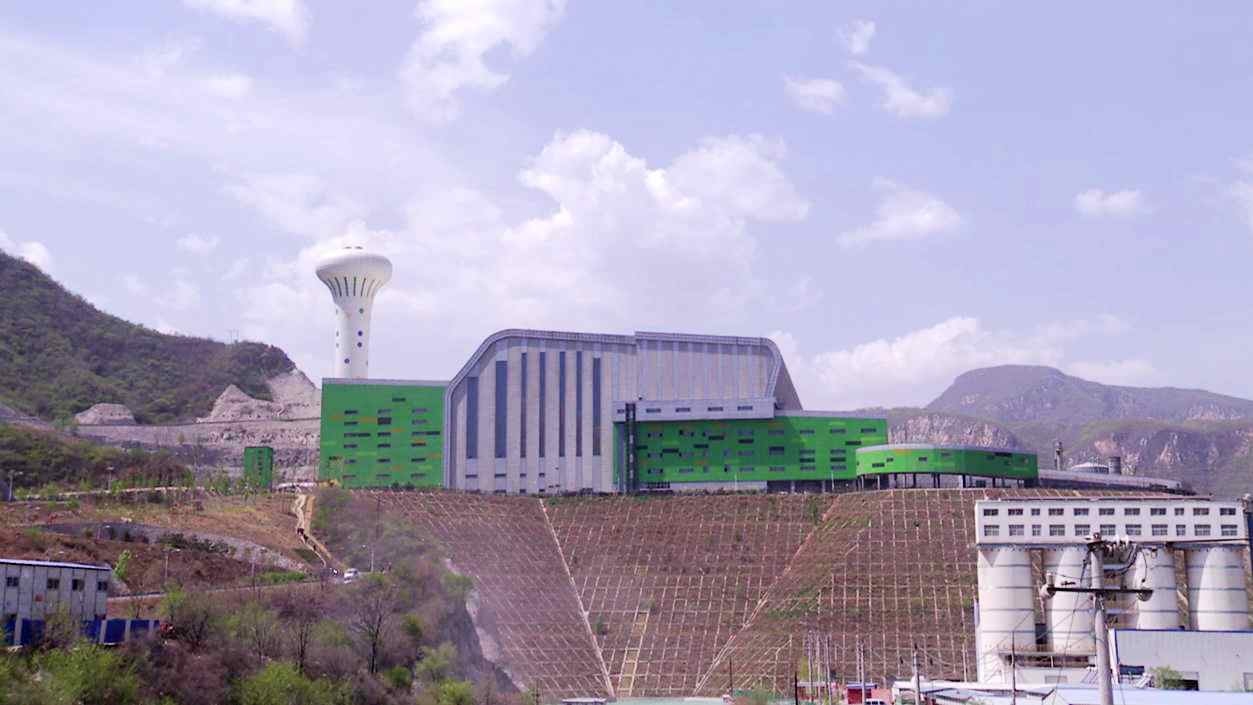
Deep in the mountainous western suburbs of Beijing is the Lujiashan Facility, one of the city's most advanced waste incinerators.
It has two large pits to store garbage. Each one can hold 20,000 tons of waste. Some 260 trucks bring garbage to this incinerator day and night.
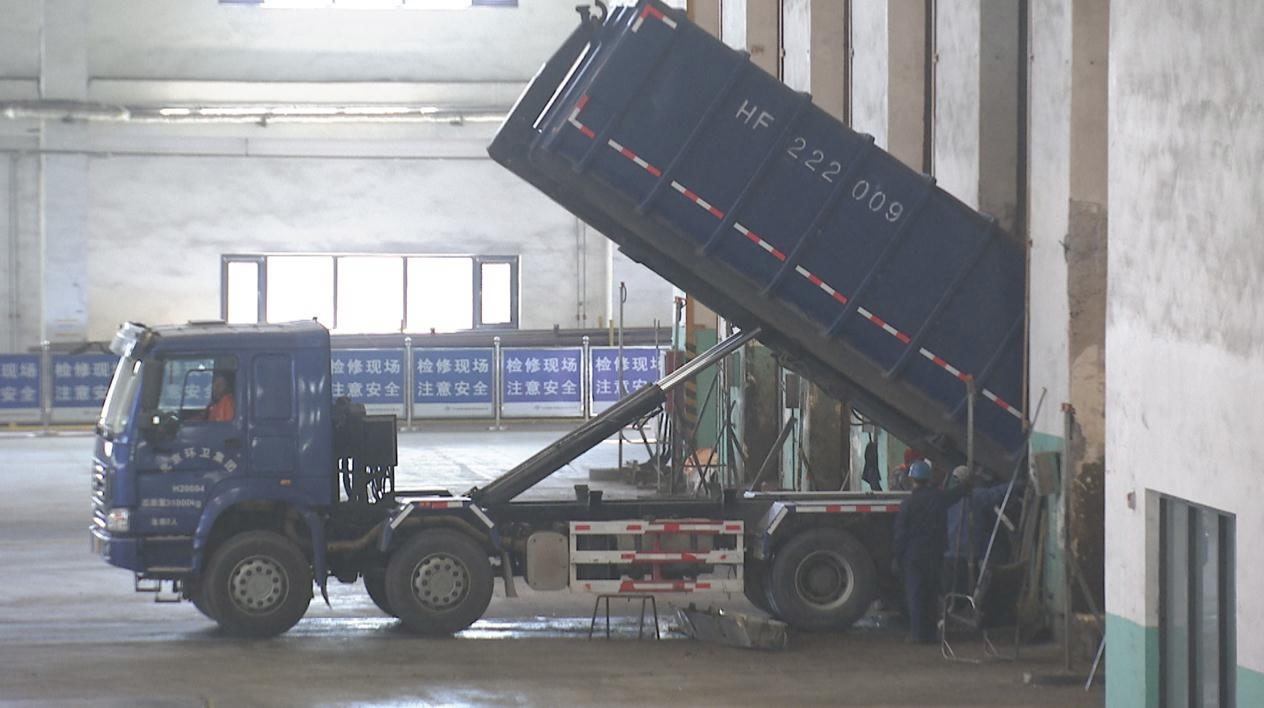
Photo provided by CGTN’s Ning Hong
In just two weeks, the pits can be filled from empty, so the incinerator must work 24/7 to ensure there is enough room for thousands of tons of new garbage generated every day in Beijing.
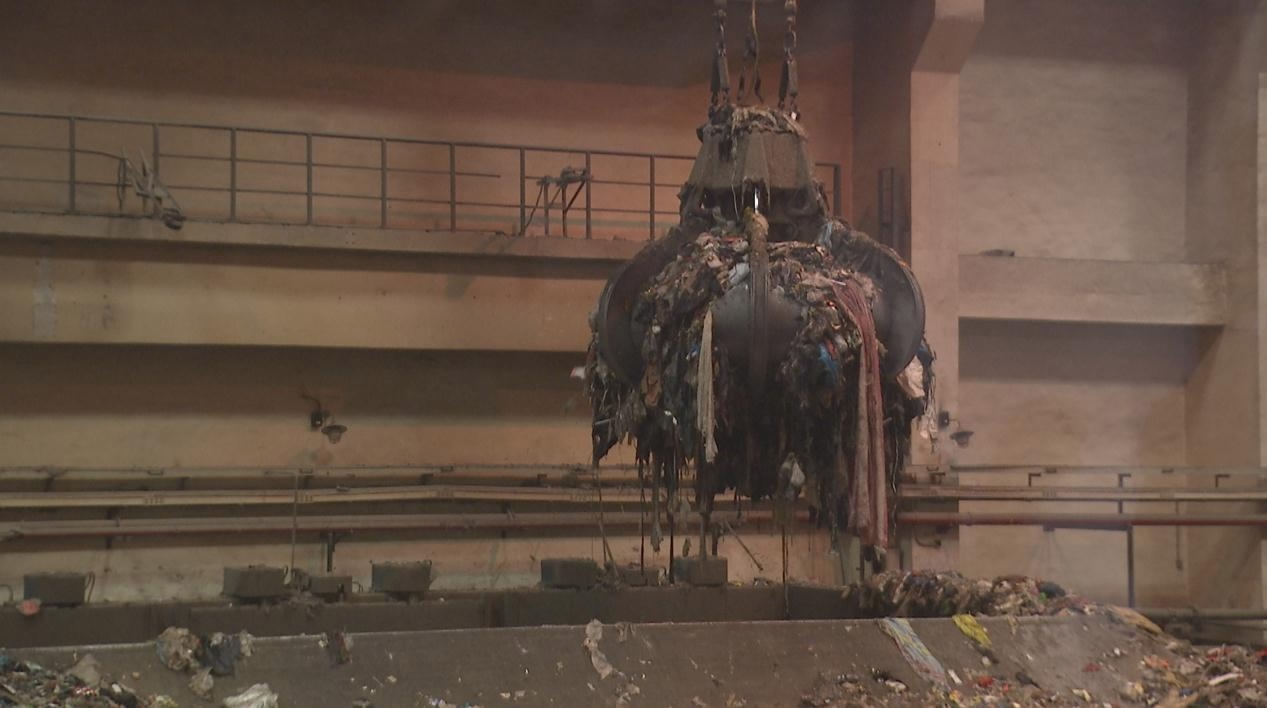
Photo provided by CGTN’s Ning Hong
There are four furnaces here, and each can burn 3,000 tons of waste every day. That’s about one-eighth of the garbage produced in Beijing in a day.
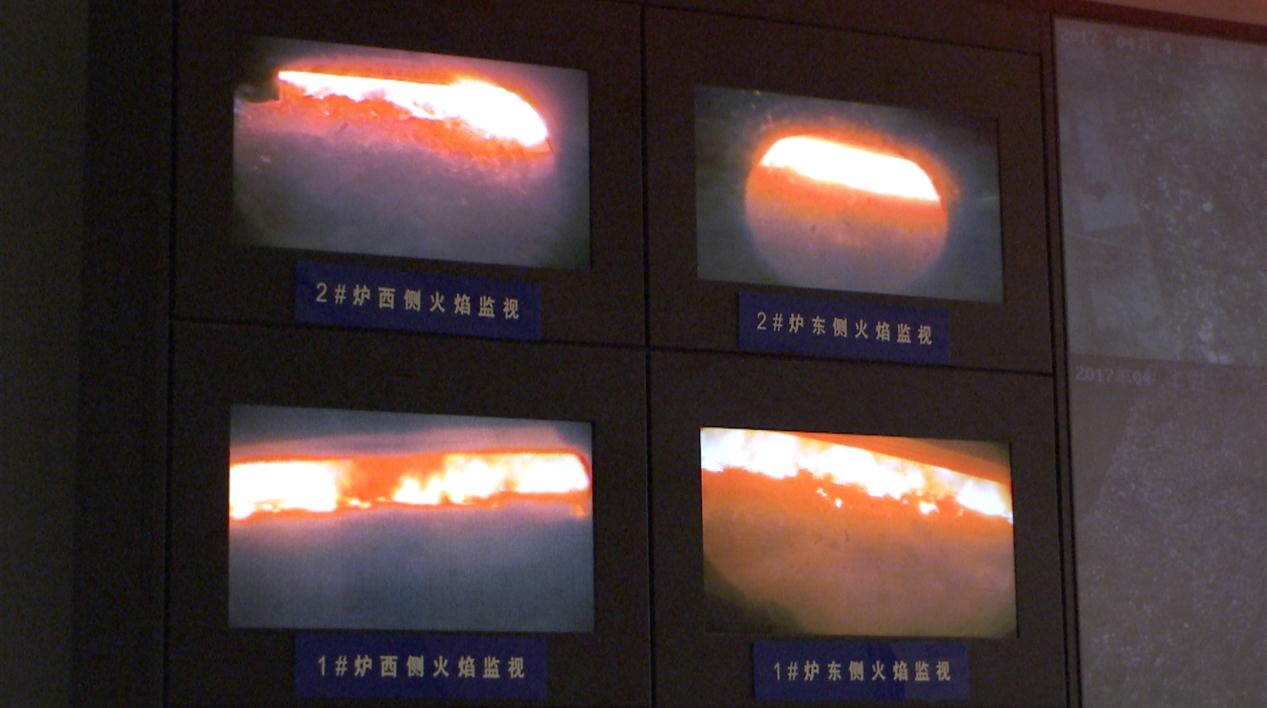
Photo provided by CGTN’s Ning Hong
Zhao Shuming, chief of the technical quality control section of this facility, told CGTN that its purpose is to “reduce the quantity of waste, make it less harmful to the environment and better use it as a resource.”
The energy from burning garbage is used to generate power and provide heat in winter. Yet as environmentally friendly as this aspect of the operation is, one of the disadvantages of incineration is the toxic compounds it produces.
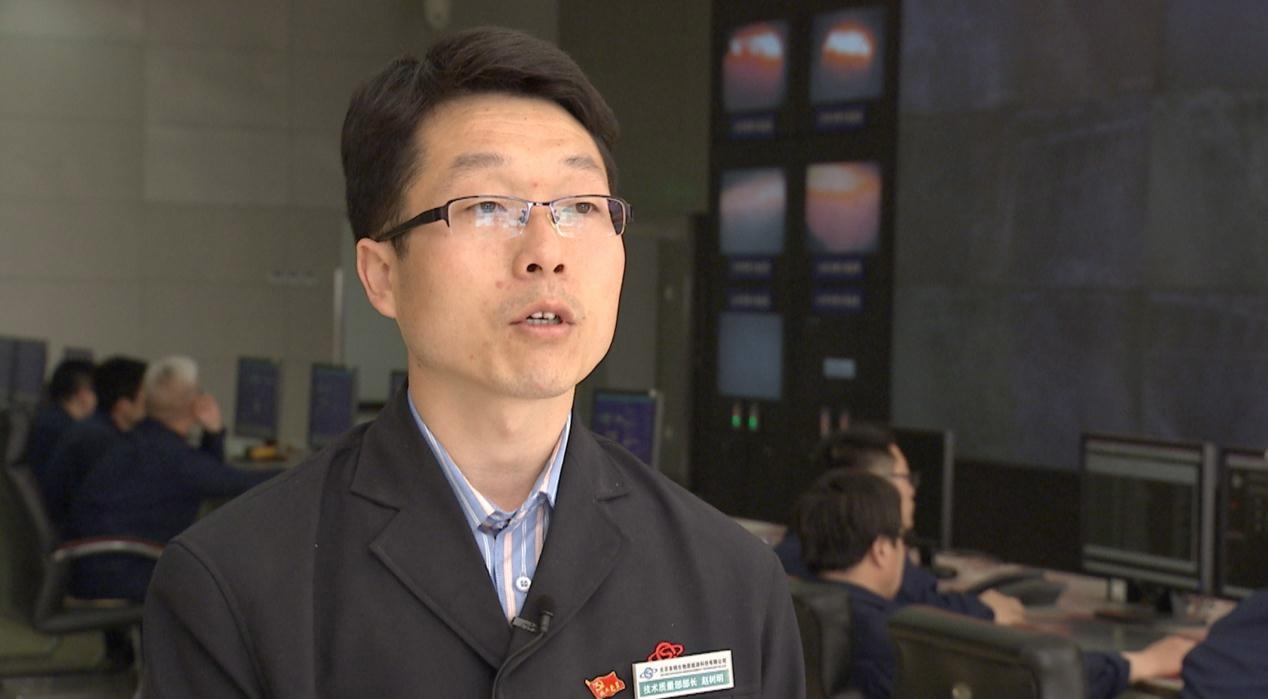
Zhao Shuming, chief of the technical quality control section of this facility. /Photo provided by CGTN’s Ning Hong
According to Zhao, the dioxin that this facility generates is 80 percent lower than the national standard. He is not worried as “my colleagues and I work here every day.”
However, Zhao is unsatisfied that the garbage burned here is mainly unsorted household waste. Better sorting practices would surely help reduce pollution, he said.
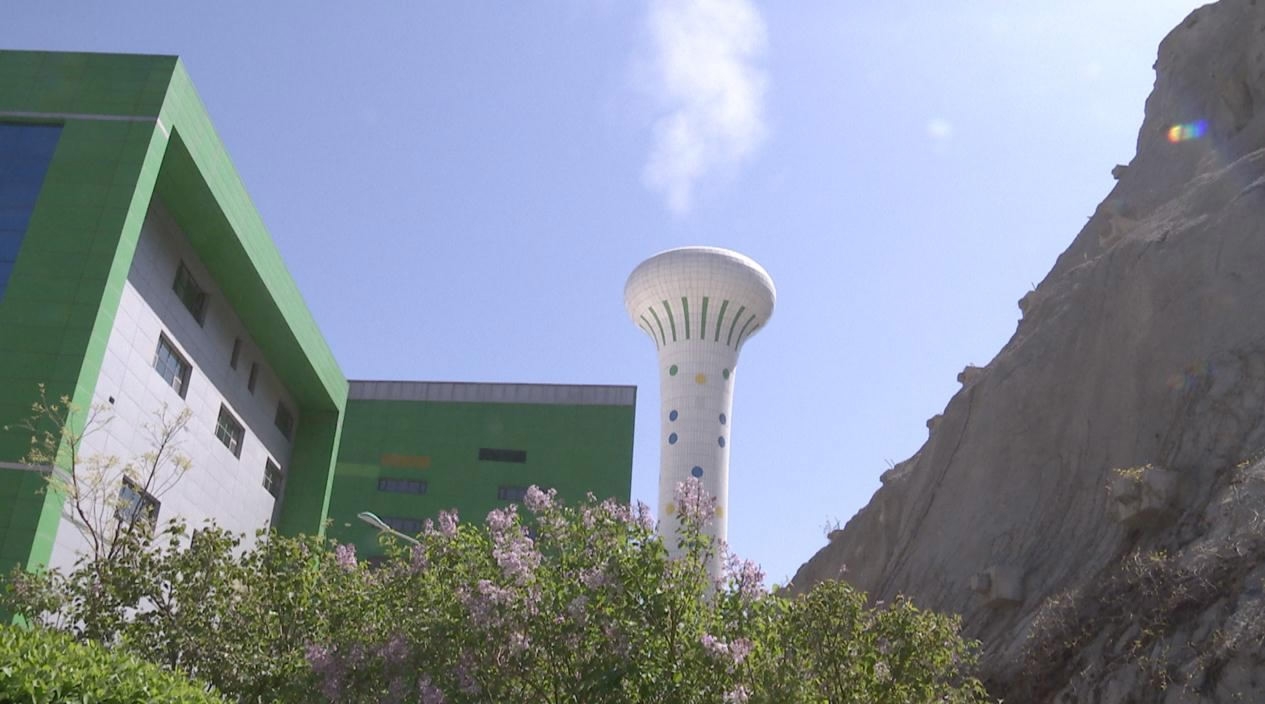
Photo provided by CGTN’s Ning Hong
This ought to have become a consideration for policymakers as more and larger incinerators are being built in Beijing, and across China.
26km
Copyright © 2017
SHARE
- EXPLORE
- MORE
FOLLOW US