
Politics
15:39, 27-Feb-2017
Are China and the Vatican closer to mending ties?
Updated
10:54, 28-Jun-2018
 []
[]
Share







Copied
By CGTN's Lu Yanrong
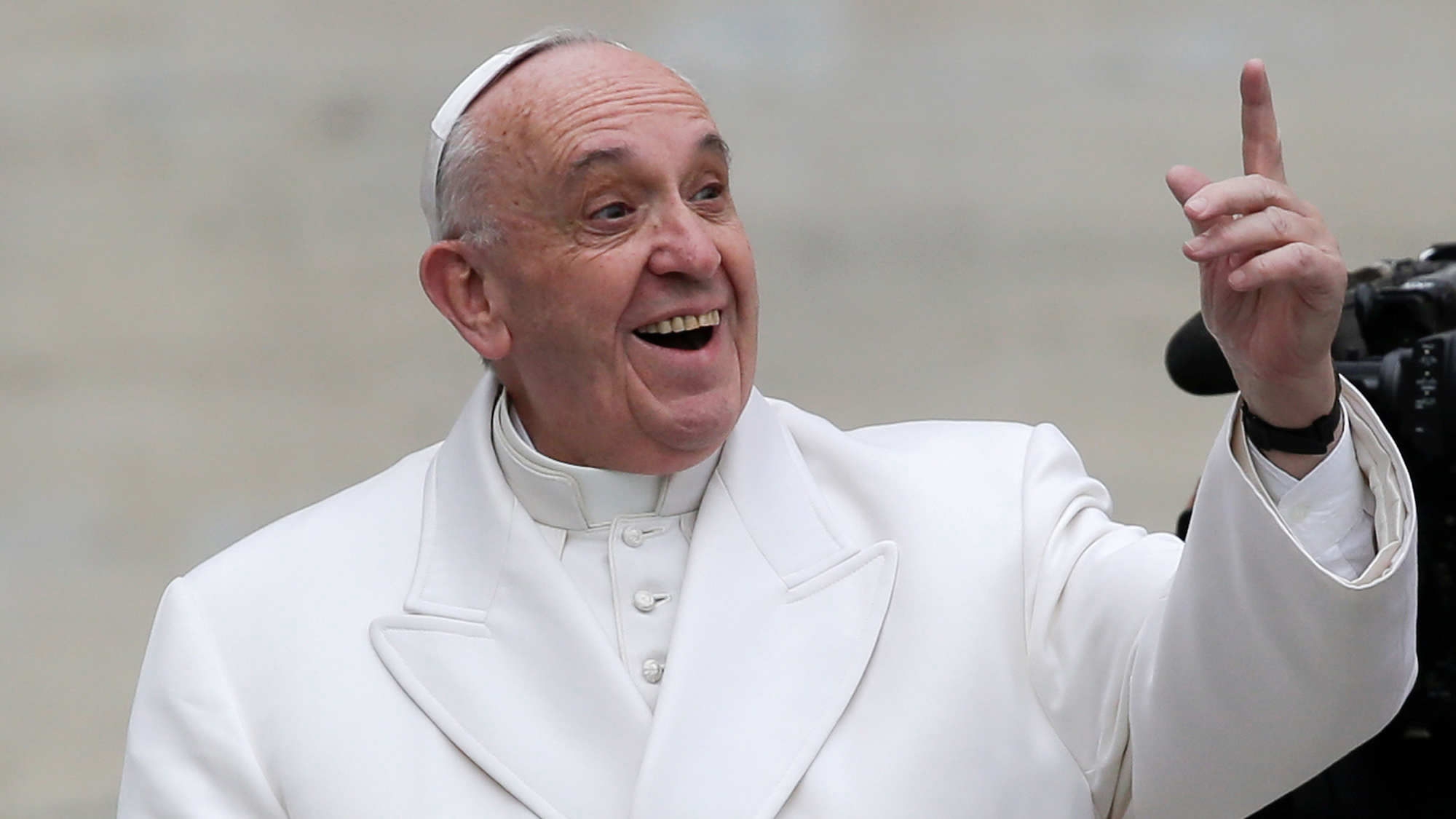
Relations between China and Vatican City have started to gain strength, with both sides approaching a historic agreement to normalize relations, mending a rift that went sour in 1951, when the two countries severed ties.
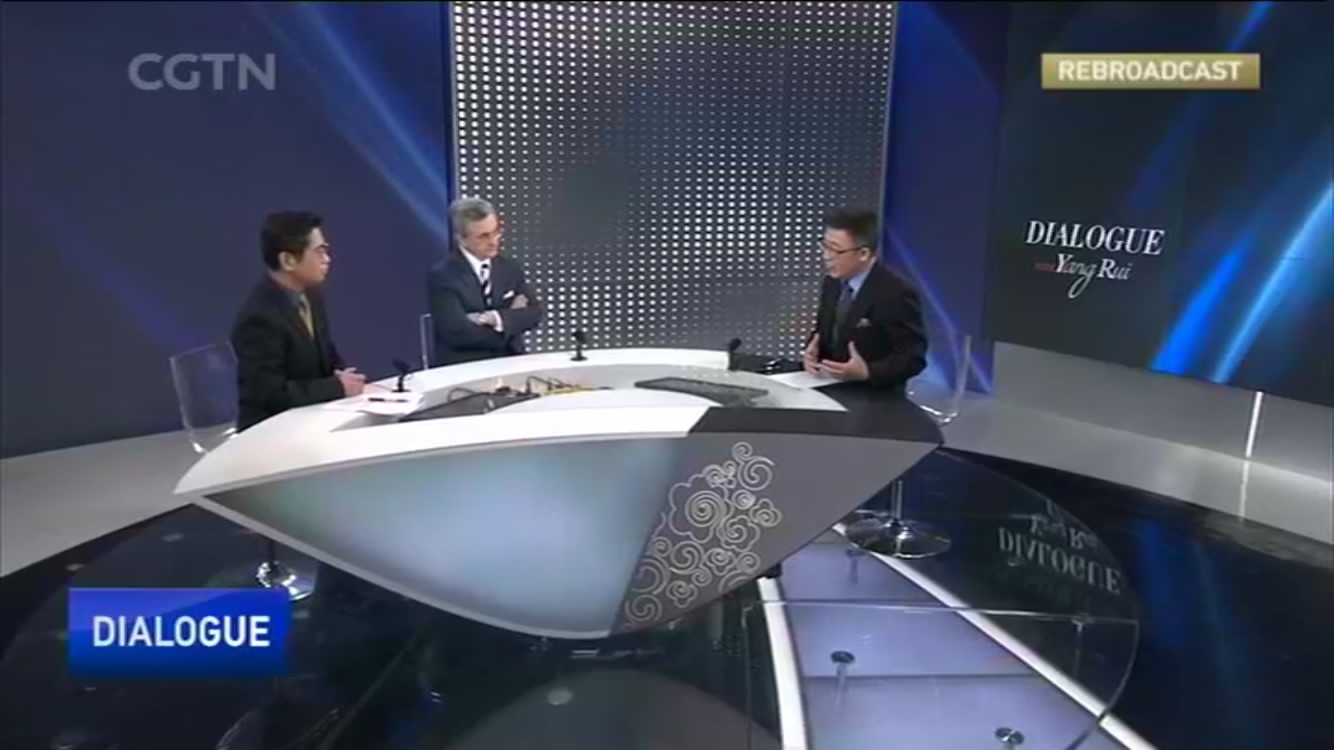
A screenshot from Dialogue. /CGTN Photo
A screenshot from Dialogue. /CGTN Photo
In recent years, both sides have been willing to conduct constructive dialogue with each other and hope to take a more flexible and pragmatic attitude in establishing relations. In 2014, China granted a pope permission to use China’s airspace for the first time, during Pope Francis’ visit to South Korea in 2014, a sign of progress that has gradually led to more interaction.
In the view of senior researcher with China Renmin University, Francesco Sisci, the issue of formal relations between China and the Vatican is more complicated, but can be solved in a simple way.
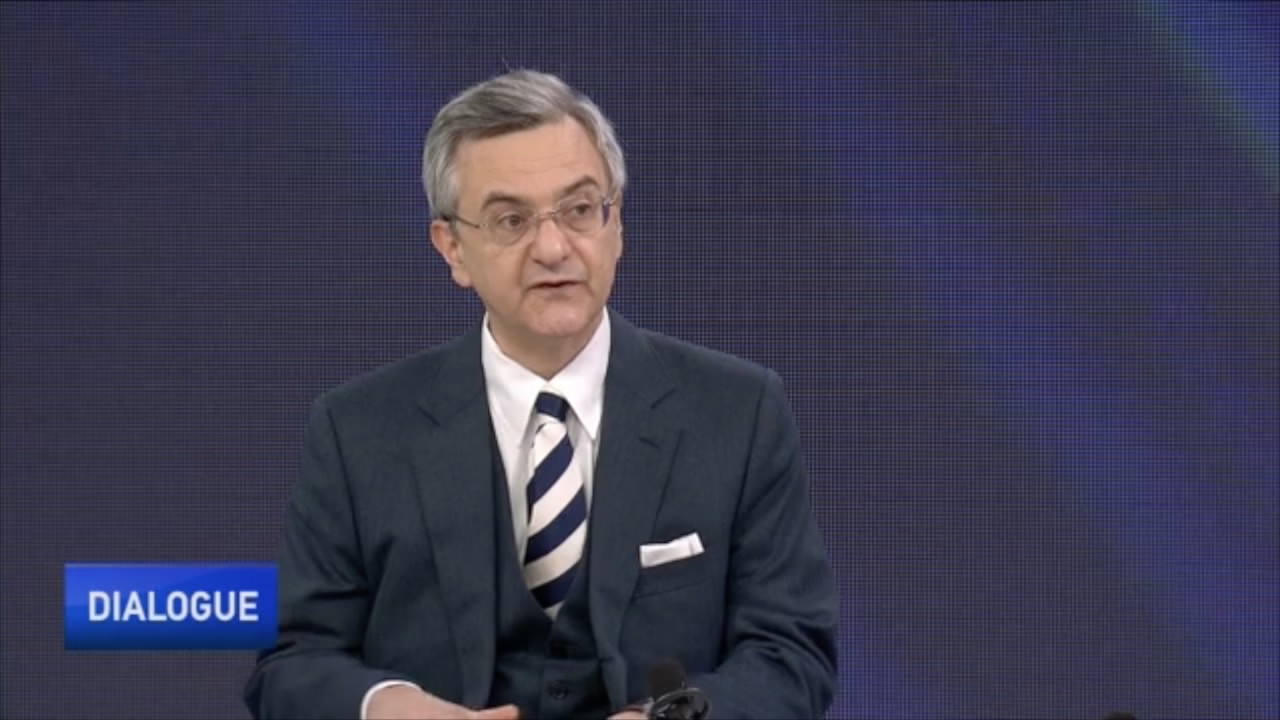
“As far as I know, now there is already a de facto agreement between the two sides. In fact, with the exception of a few bishops, both sides recognize about 120 bishops in China, so there is already in fact a mechanism of agreement on the choice of the bishops. However, there are a lot of details still to be hammered down, but these bring to me to some sense of optimism in further development.”
Under the agreement, Pope Francis will have the final right of say as to who is ordained as a bishop on the mainland, but China will have input and recommendations.
Considering another obstacle of constructing bilateral relations between China and the Vatican, assistant research fellow of the Taiwan Institute of the Chinese Academy of Social Sciences, Zhong Houtao claimed that normalization between the Vatican and China is not just about religion, but also about the cross-Strait relationship. If Tsai Ing-wen fundamentally accepts the “1992 Consensus” and “One China Policy”, the Chinese mainland will continue to show its goodwill to the Vatican.
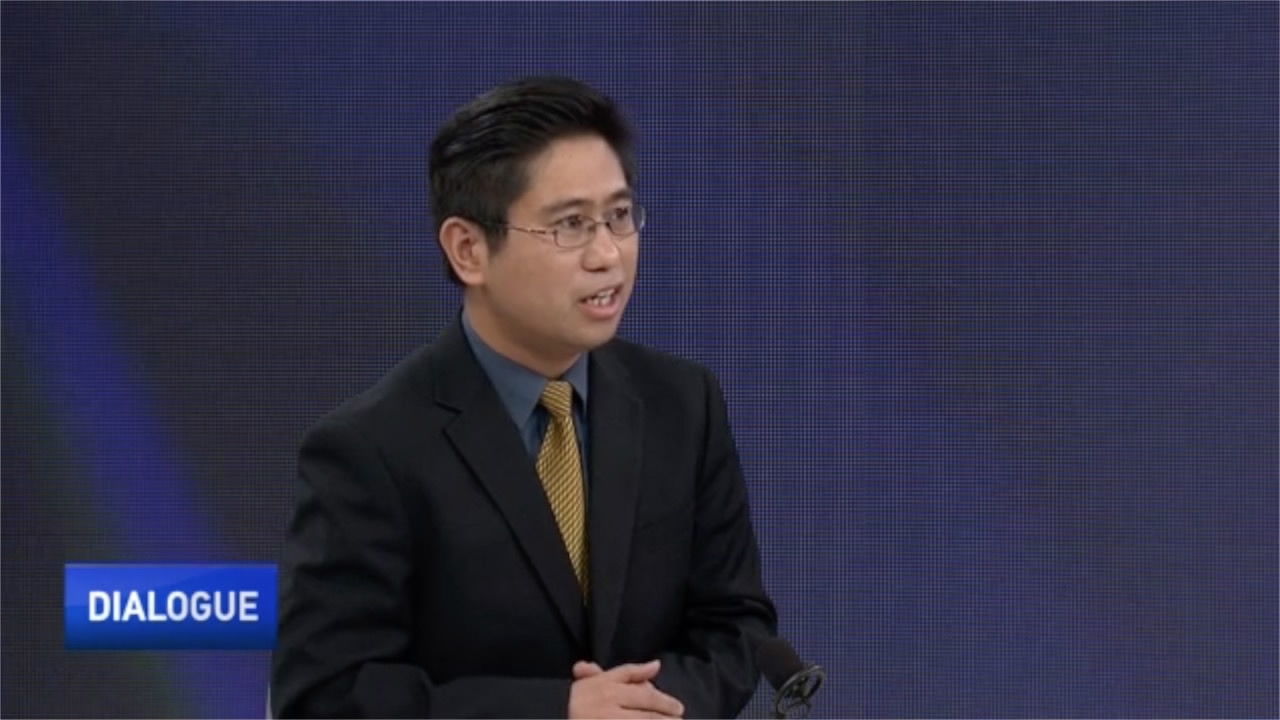
“The Chinese mainland always supports the freedom of religion. That means it supports everyone to choose to believe any kind of religion…but the Chinese mainland will never tolerate any interference from foreign countries. That’s actually why the reason the appointment on the ordination of bishops becomes a question and controversy between China and the Vatican. I don’t think that would be a much a controversial issue in future since may be we could choose another formula. For example, Chinese mainland could nominate only one bishop, then maybe bishop could be officially appointed by the Vatican. That would become a solution.”
Until now, although Beijing and the Vatican still have different concerns, both of their stances on improving ties seem to be clear and consistent. As The Diplomat magazine commented, both will benefit from the agreement: China will gain in international respect as they demonstrate tolerance for religious freedom, as well as settling civil unrest among members of the underground church, while Rome will once again be in communion with millions of Chinese Catholics.