
17:57, 28-Feb-2019
Highlight: A Different Way of Checks and Balances of Power

Share






Copied
It is not difficult to recognize the power, vision and commitment of Xi Jinping to institute the anti-corruption campaign and strictly governing the Party, and by that upgrade the overall governance of China. The concern is that these policies are being implemented by individuals who have the power to do it. And that the institutional mechanisms that would enable these policies to continue, no matter who is in power, is weak in China. Thus, China is more dependent on the quality and understanding of its current leader. Robert Lawrence Kuhn raised this question to Zhou Shuchun, editor-in-chief of China Daily: “How to transform rule of law into a system so that, in Xi’s words, “power is contained in the cage of the rule of law?”
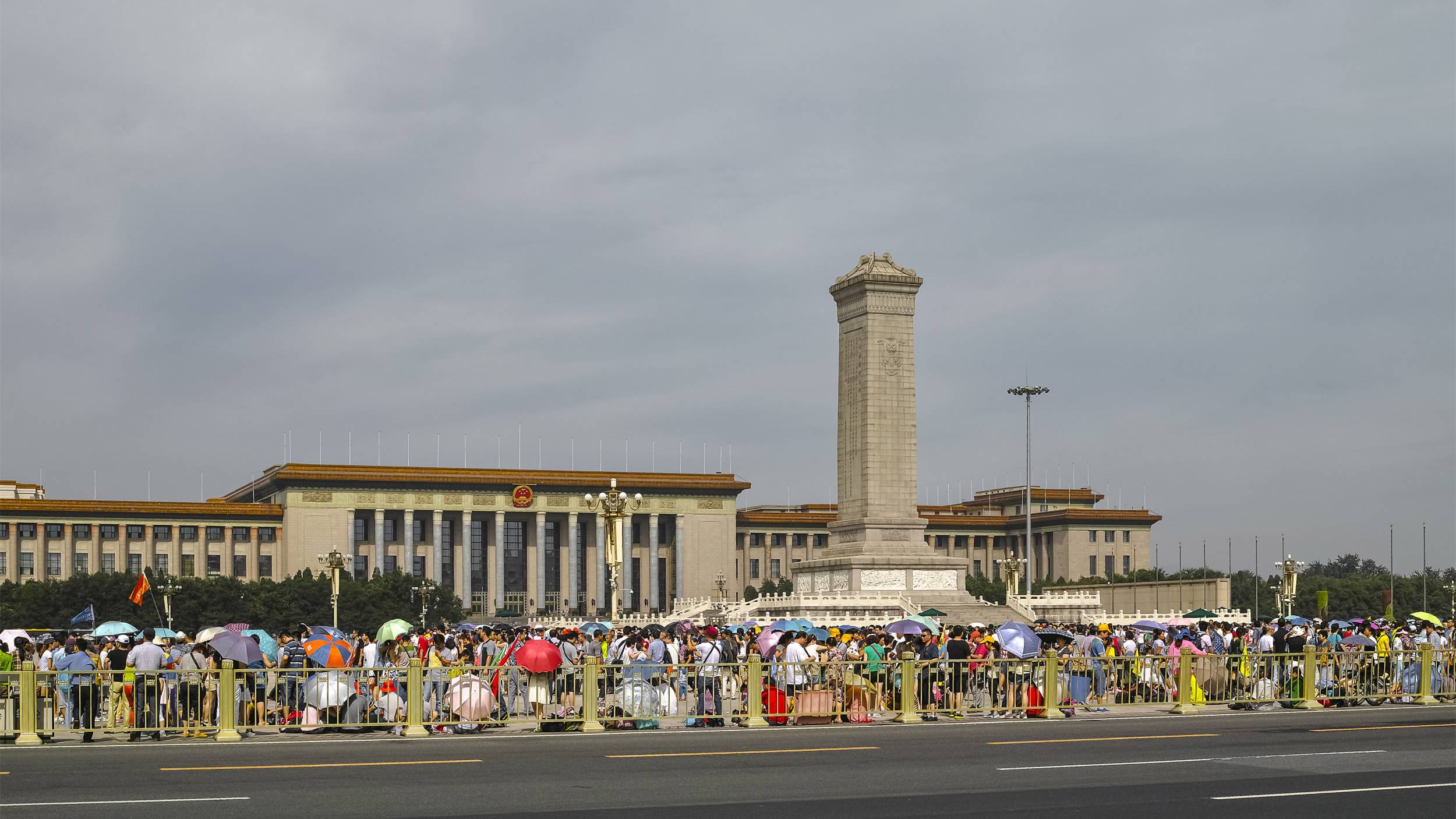
People at Tian'anmen Square, Beijing, China
People at Tian'anmen Square, Beijing, China
“I think China is trying to explore a different way of checks and balances of power. The Communist Party of China is the governing Party, leadership, so in this sense, the Party has to be the opposition of itself, via self-purification, self-improvement and self-enhancement of the Party. And this is what has happened in the past five years, especially reform and rule of law. There is the idea of modernization of governance on the part of the Party and the country, which emphasizes reform and rule of law. For the past five years, General Secretary Xi has been talking about the idea of modernizing the governance of the Party and the country. This is something new. That is the idea of building institutions rather than relying on the role of individuals. You can always have the combination of individuals on one hand and the mechanism of institutions on the other. It’s like the market economy. You can’t depend only on the invisible hand; you have to have the visible hand of government as well. Otherwise you have problems like the financial crisis in the first decade of this century.”