
Politics
18:43, 07-Mar-2017
China to amend land system law
Updated
10:58, 28-Jun-2018
 []
[]
Share







Copied
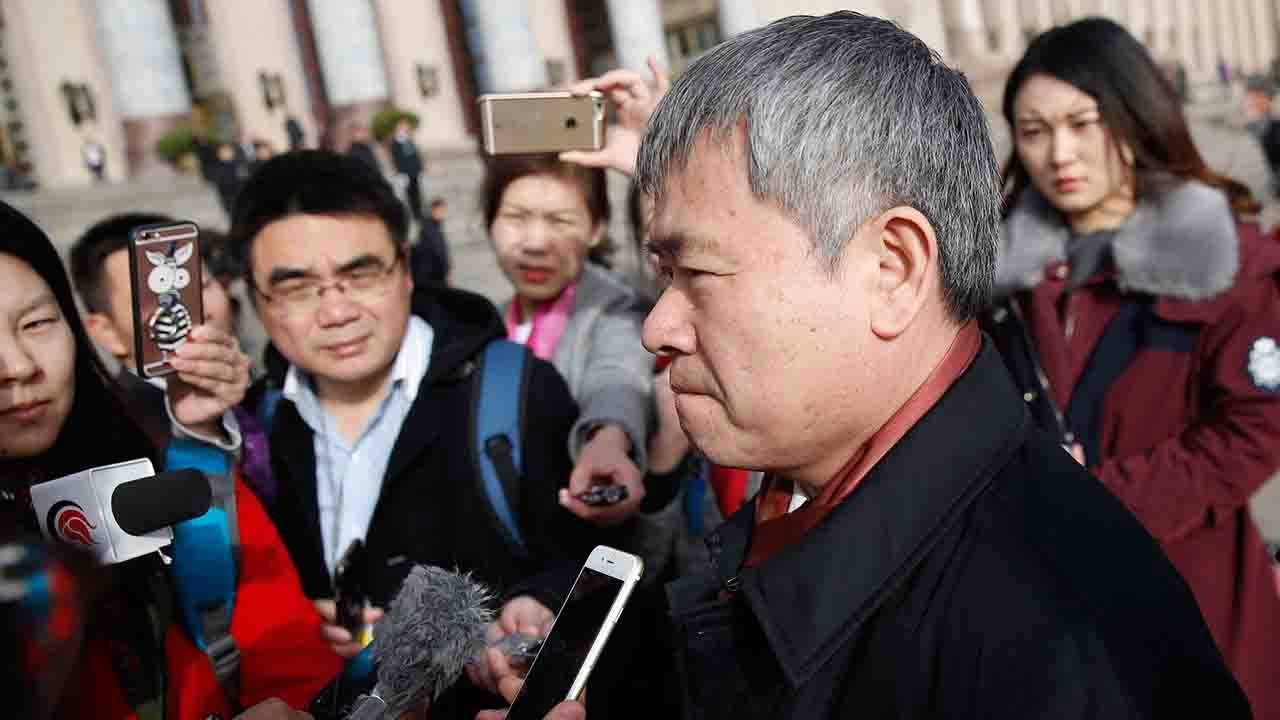
By CGTN's Han Bin
NPC Deputy Cai Jiming is a professor from Tsinghua University. Based on first-hand research, he has been proposing to reform the rural land system for nearly 20 years. He has made over 30 proposals and a dozen suggestions at the annual congressional session. However, none of them have been adopted, and he says the changes are now more necessary than ever.
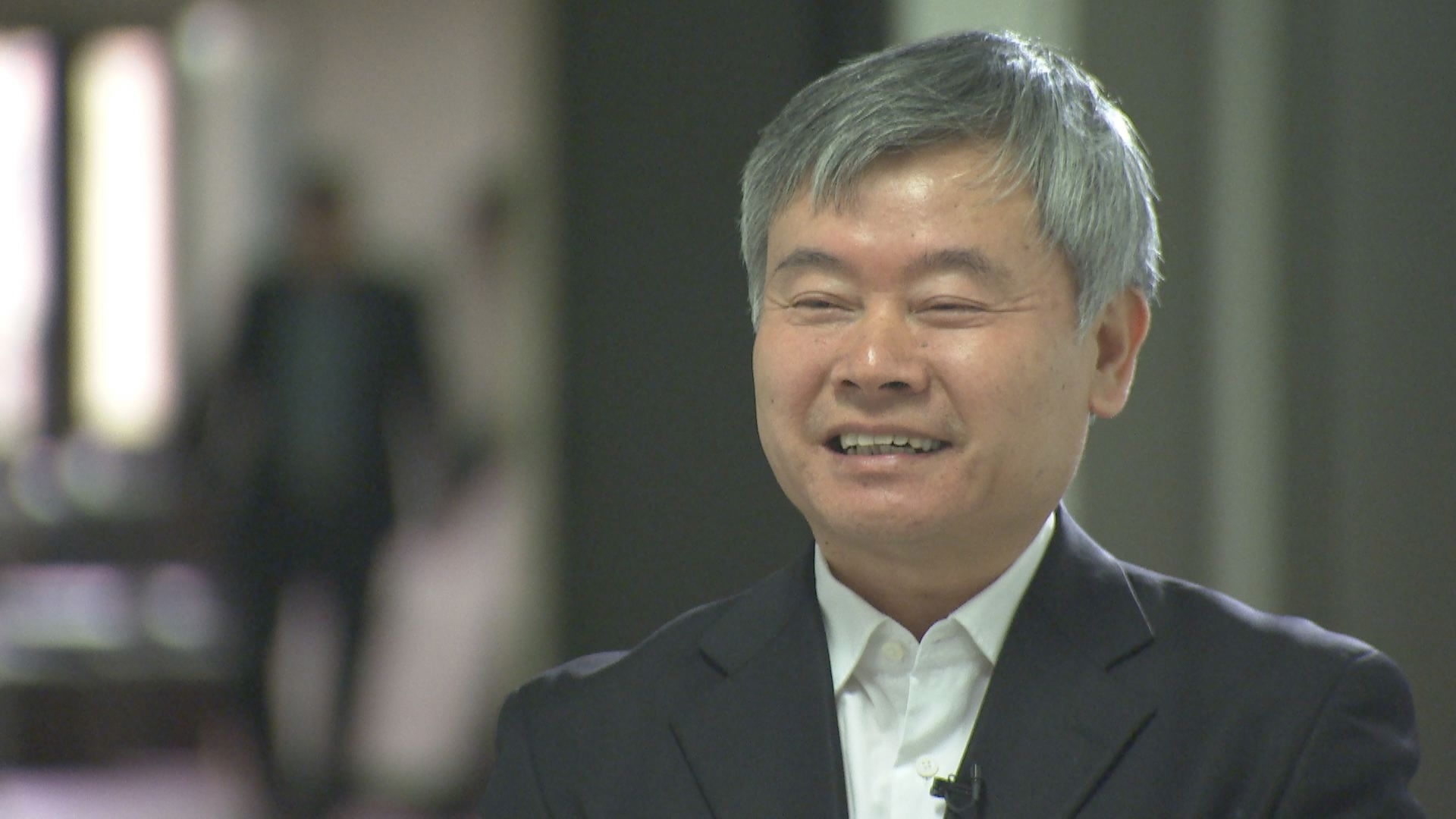
NPC Deputy Cai Jiming is taking an interview with CGTN reporter Han Bin on rural land rights reform during the meeting. / CGTN Photo
NPC Deputy Cai Jiming is taking an interview with CGTN reporter Han Bin on rural land rights reform during the meeting. / CGTN Photo
China’s Land System
For farmers in China, land is both sustaining and constraining them. Ownership doesn't grant land use rights, so urban land is state-owned, while rural land is collectively-owned. Both belong to public ownerships, which means farmers can’t sell or transfer usage rights to their land. They are stuck in the countryside, and the urban-rural wealth gap continues to widen.
Land with Different Prices
But the land in different places has different rights and different prices. Local governments compensate for farmland according to the yearly yield income. Often, the price per mu, which is equal to over 600 square meters, may be only worth the price of one square meter when it comes on the market. Local governments are heavily reliant on land financing, and farmers’ land rights have been seriously damaged.
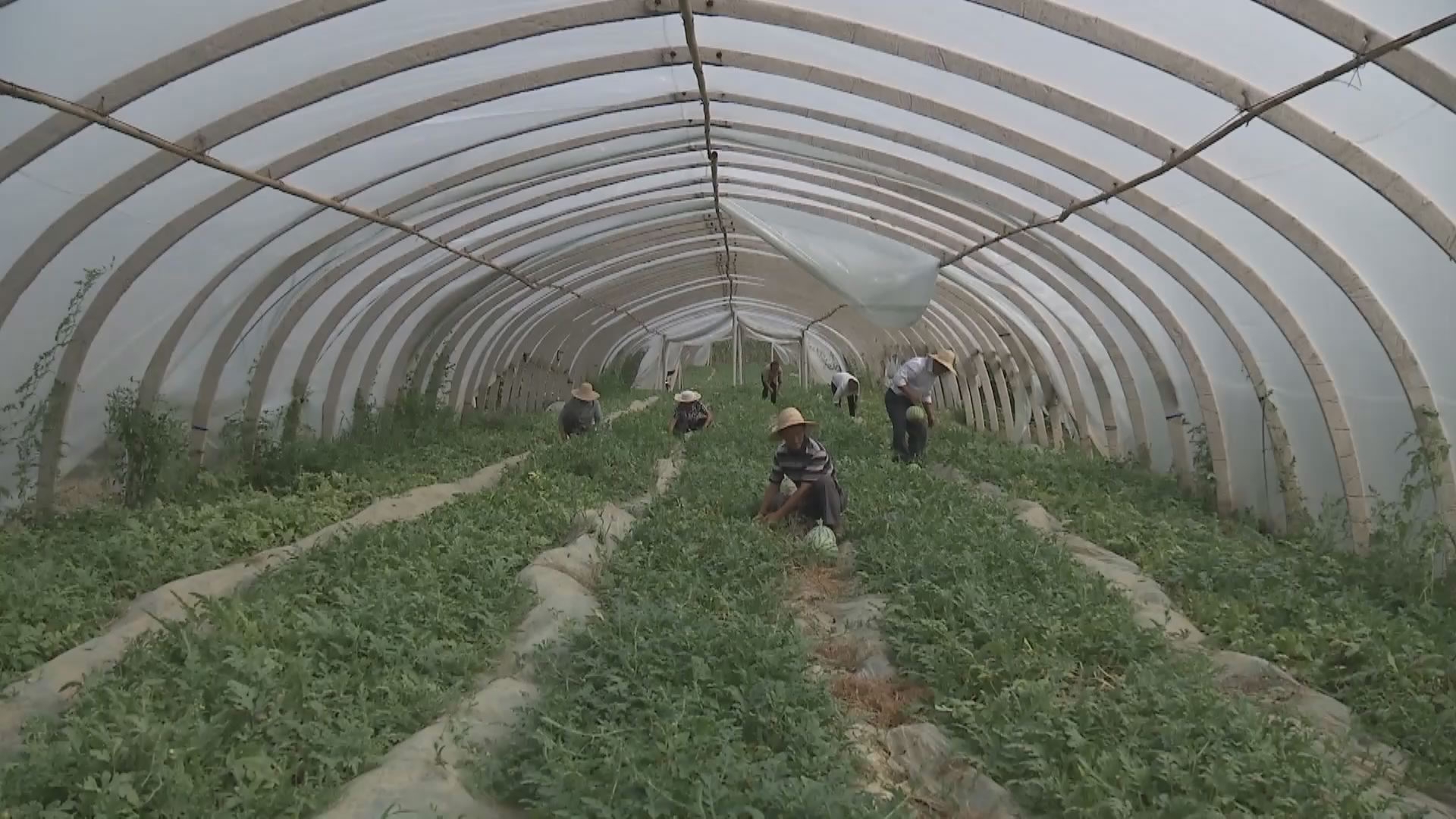
Farmers in central China's Hubei Province planting fruits on their farmland / CGTN Photo
Farmers in central China's Hubei Province planting fruits on their farmland / CGTN Photo
Land with Same Rights
He says local government can’t acquire land at such cheap prices. Unless it’s for the public interest, land in the rural and urban areas should have the same rights in the market. This will not only provide more land resources for urban development, it will also effectively curb housing prices in the big cities, and give migrant workers a chance to buy property. Farmers could use the proceeds from land sales to move to cities, spurring economic growth. This will reduce conflicts between villagers and governments over land acquisition as well.
Market Plays Decisive Role
Cai Jiming is known for his outspoken opinions on reforming the country’s rural land system. He's a strong advocate of greater reforms, and says the Land Administration Law must be amended. He has criticized the government for not pushing reforms to give the market a decisive role in the allocation of land resources. He says if the government wants to end farmers' poverty, the rural land rights system must be changed. Cai believes granting land use rights to farmers are in line with the leadership’s national urbanization targets.
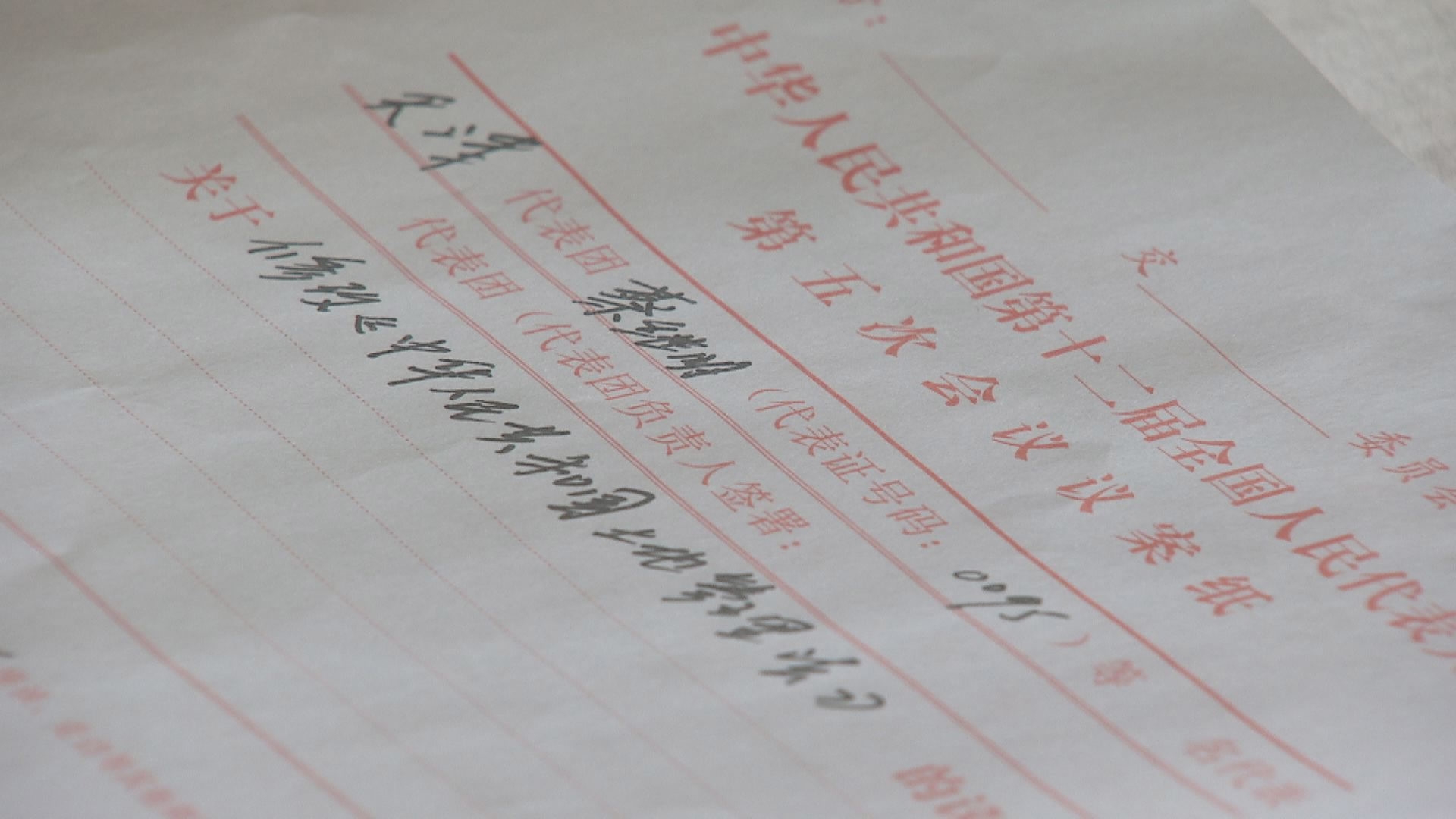
Cai Jiming’s suggestion on Rural Law Rights Reform, now already become a motion for the NPC. / CGTN Photo
Cai Jiming’s suggestion on Rural Law Rights Reform, now already become a motion for the NPC. / CGTN Photo
Lobby for Change
Cai is hopeful that the NPC has just made a decision to amend the Land Administration Law. But the process is a long one, and the final draft may be something different from what Cai is proposing. China’s Constitution states the public ownership system is the mainstay of the economy. This stands behind the complexity of rural land rights issues. This also means any change will not come quickly, but Cai says he will continue to lobby for a change. It's this kind of determination that can make the annual session a meaningful place in pushing forward reforms.
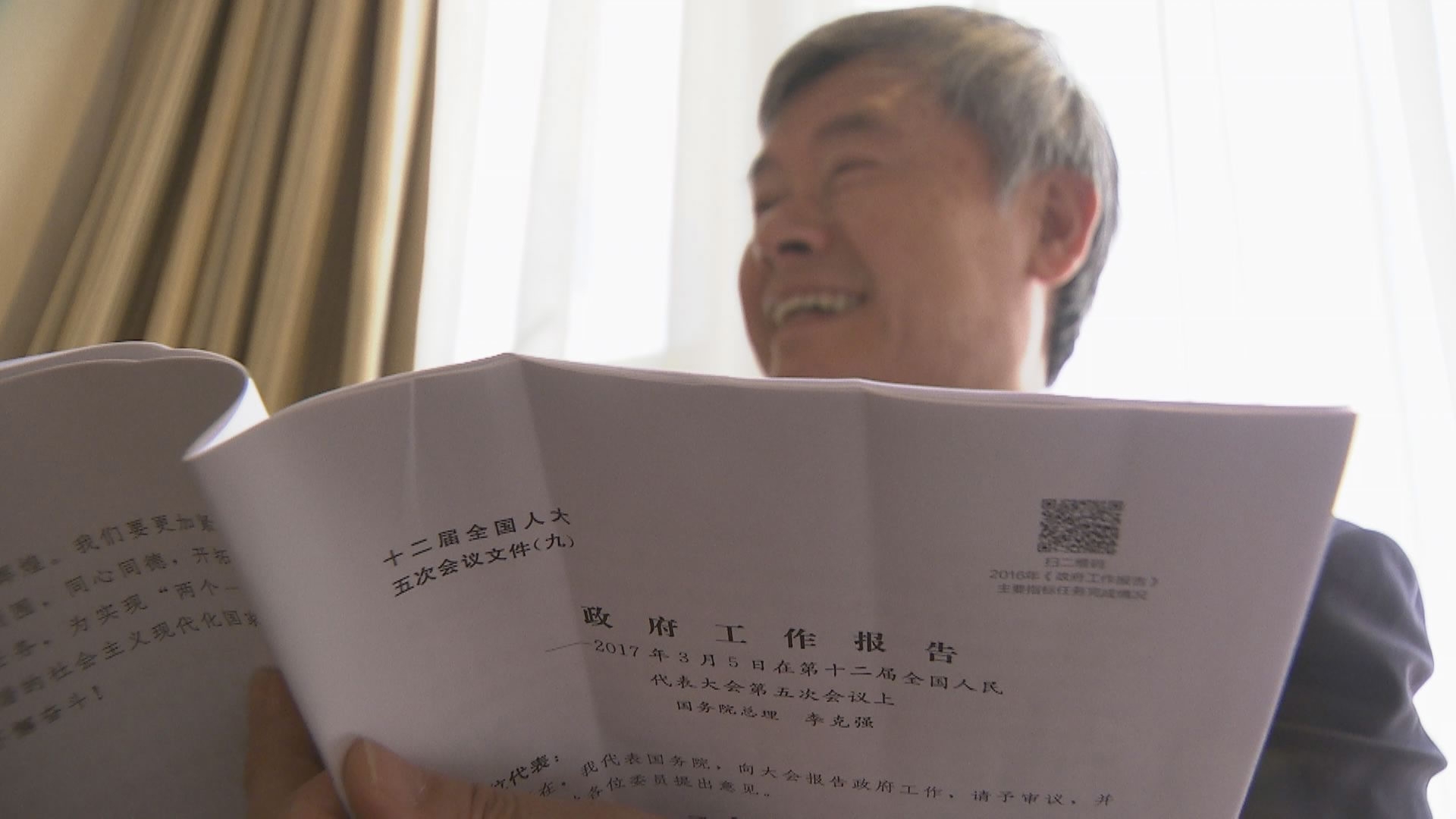
Cai Jiming discusses Government Work Report with deputies on Monday. / CGTN Photo
Cai Jiming discusses Government Work Report with deputies on Monday. / CGTN Photo