SOCIAL


South Sudanese refugees in Uganda strains country’s resources
2017-04-13 09:24 GMT+8
9221km to Beijing






Editor
Jin Zixiong
Story by CGTN Africa
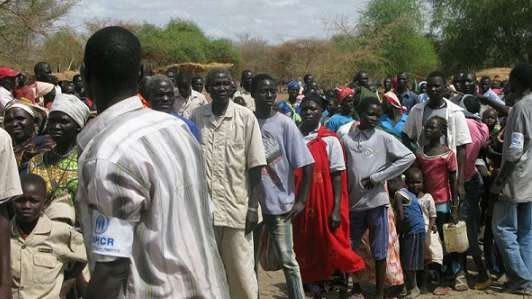
The continued influx of South Sudanese nationals into Uganda is fast straining the country’s resources, with experts warning that the country may have to stop taking in more refugees.
Last week alone, more than 3,000 people arrived at the border in a single morning following an eruption of violence in the South Sudanese town of Pajok.
According to Reuters, a top Ugandan official said the country’s system of accommodating refugees – routinely touted as one of the world’s most progressive – was on the brink of an “explosive” collapse.
South Sudanese nationals fleeing conflict in their country have preferred to go to Uganda because its government has been effective in providing arrangements for refugees.
Uganda’s system allows villagers in impoverished border regions to donate land to refugees on the expectation that the foreign donor funds supporting the refugees will also help the villages in the form of shared public services such as schools, roads, wells and clinics.
Under a Ugandan law passed in 2006, refugees are granted freedom of movement, employment rights and access to public clinics and schools.
Each family is also given land on which to build homes and plant crops to make them self-sufficient.
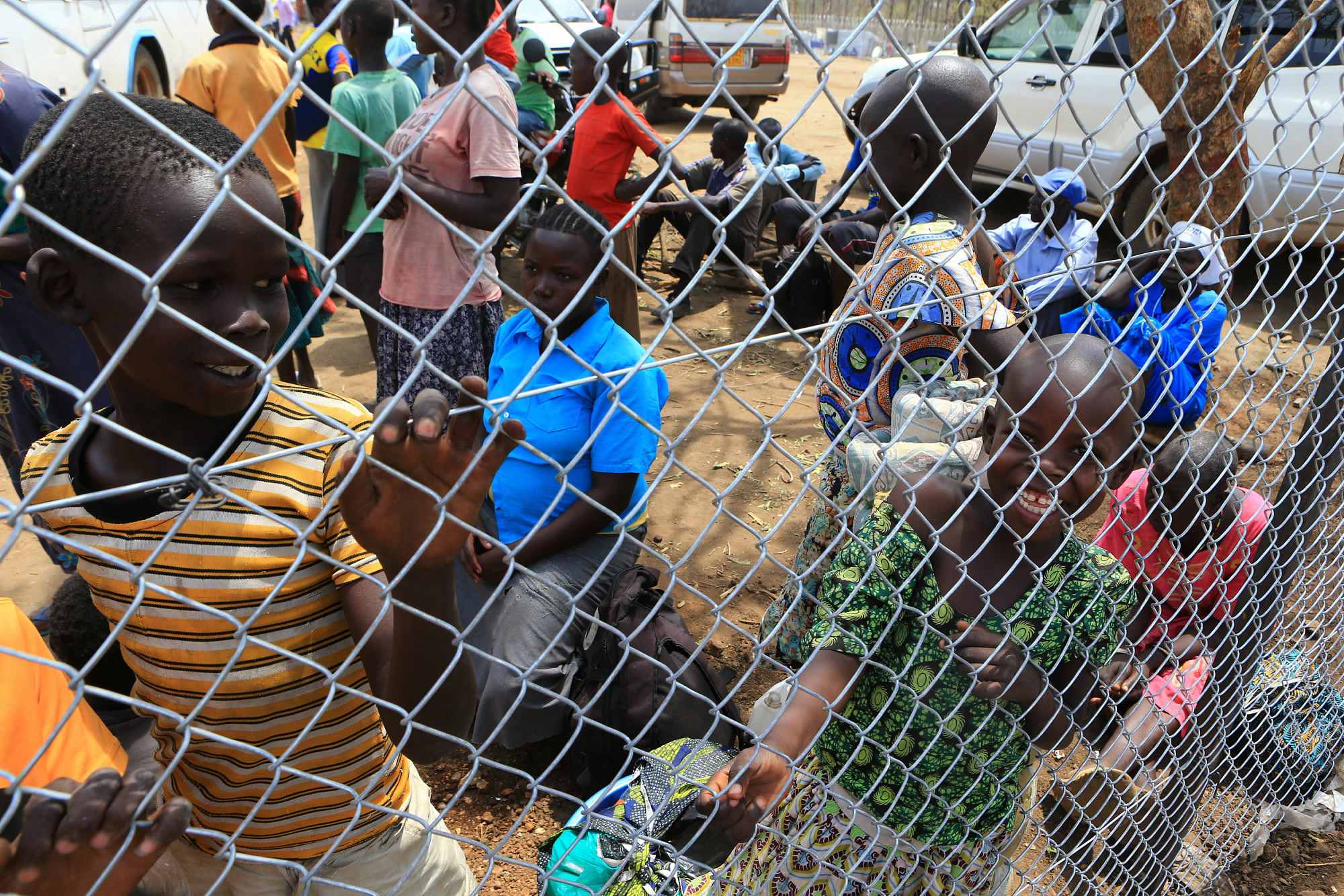
South Sudanese refugee families displaced by fighting arrive at settlement in northern Uganda / CFP Photo
The problem now is that aid flows are not keeping up with the scale of exodus from South Sudan.
Since fighting erupted in the capital Juba last year, at least 832,000 people have arrived in Uganda, and the system is now wobbling.
More refugees are expected to arrive in Uganda with continued fighting in the world’s youngest nation.
South Sudan descended into violence in December 2013 following President Salva Kiir’s allegations that his then-deputy was plotting a coup against his government.
A peace deal signed in 2015 has continually been violated by both factions, with the United Nations earlier this year warning of possible genocide.
The world body has now listed South Sudan as Africa’s biggest refugee crisis, and the third in the world trailing Syria and Afghanistan.
A proposed national dialogue has been delayed due to logistical problems, but President Kiir earlier this week issued assurances that it would go on.
9221km
Copyright © 2017
SHARE
- EXPLORE
- MORE
FOLLOW US