Imperial artifacts enjoy new home on Gulangyu Island






By CGTN's Hu Nan & Luo Chen
219 imperial artifacts are being exhibited on Gulangyu Island, in Fujian Province, some 2,000 kilometers from their former home, the Imperial Palace in Beijing.
Timepieces, lacquer ware, porcelain, fabrics, paintings, furniture, and scientific and technical instruments came from countries and regions around the world, such as the UK, France, Germany, Switzerland, Russia, Italy, Austria, and Japan.
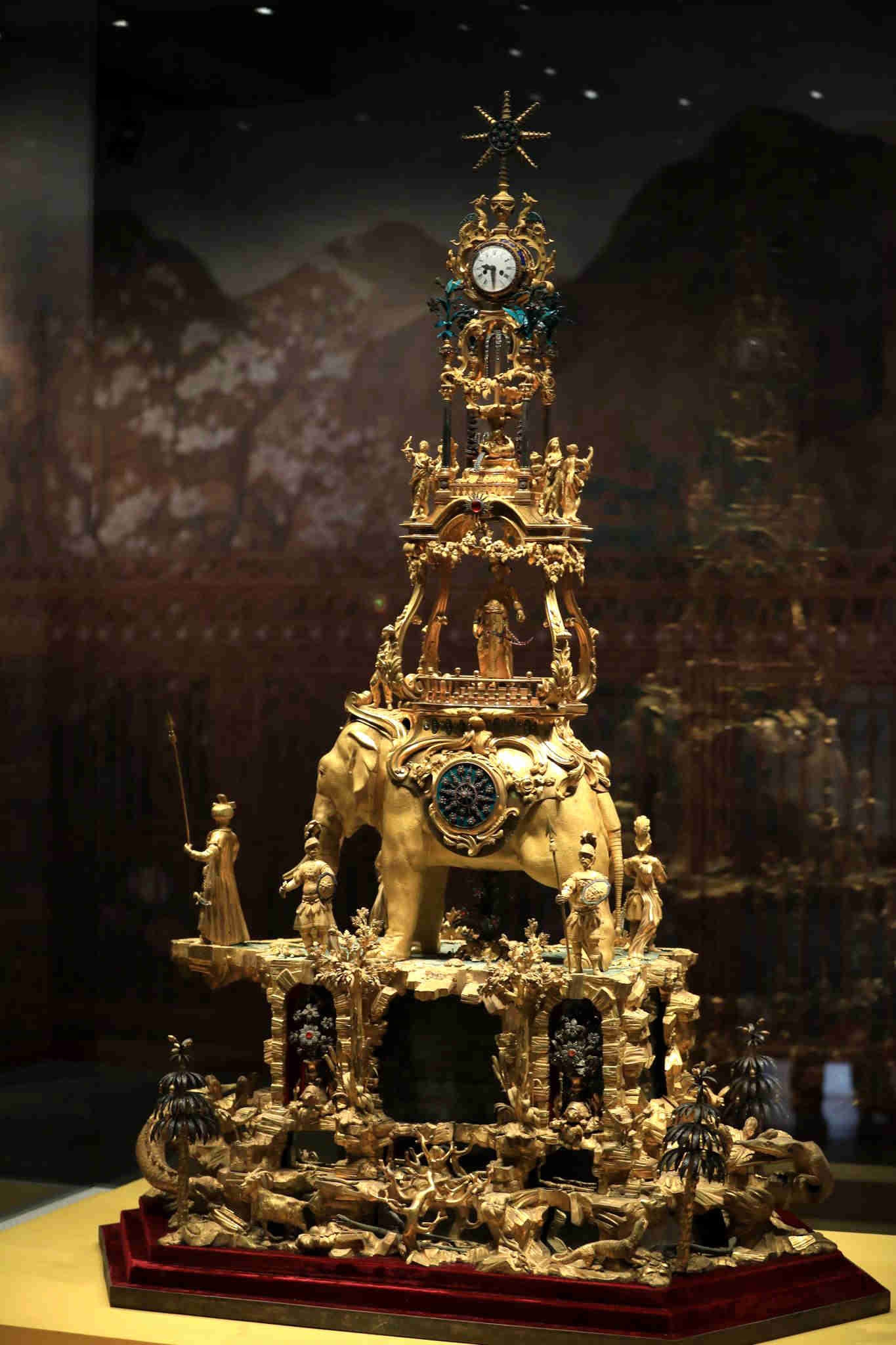
This gilded bronze elephant timepiece from England was a gift to Emperor Hongli (1711-1799) of the Qing Dynasty. /CGTN Photo
Largely inherited from the former Qing-dynasty imperial collections, alongside private collections or individual donations, the collection spans the period from the 16th to the 20th centuries, with most items made in the 18th and 19th centuries.
Cultural exchanges between China and the western world during the Ming and Qing dynasties strongly influenced Chinese imperial life. A Dutch firearm in the exhibition, for example, was highly prized by Qing Emperor Hongli, who ruled during the 18th century.
Brought to China by foreign missionaries and diplomats during the Ming (1368-1644) and Qing (1644-1911) dynasties, over 13,000 artifacts have been preserved in the Palace Museum in Beijing, taking up less than 0.7 percent of the total space. So these foreign pieces didn’t receive much attention in the museum's exhibitions.
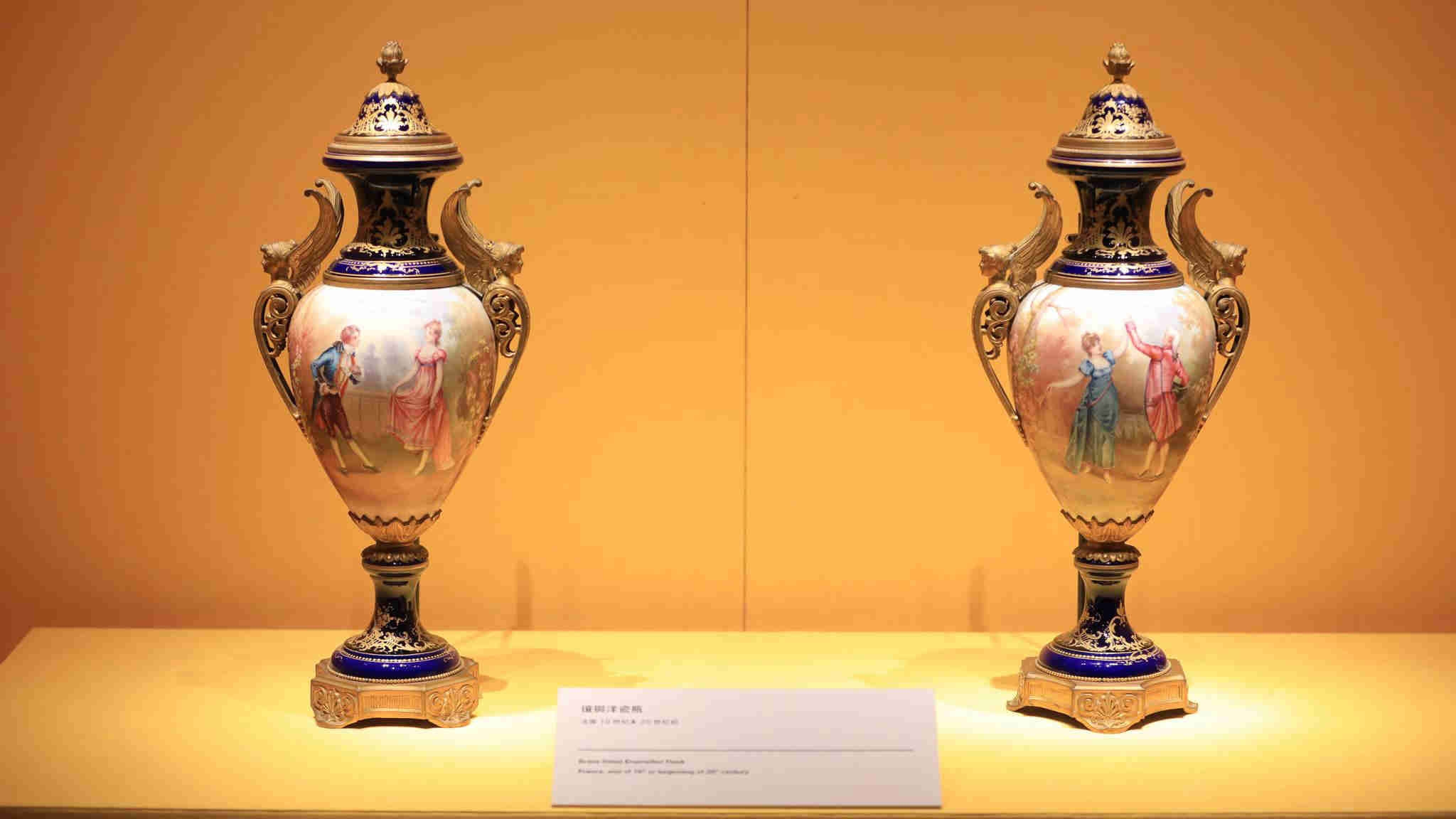
Bronze porcelain vases from France in 19th or 20th centuries. /CGTN Photo
However, growing numbers of people are keen to see more historical evidence of the cultural exchange between China and other countries which is why this first satellite gallery is devoted to foreign artifacts, said Shan Jixiang, director of the Palace Museum.
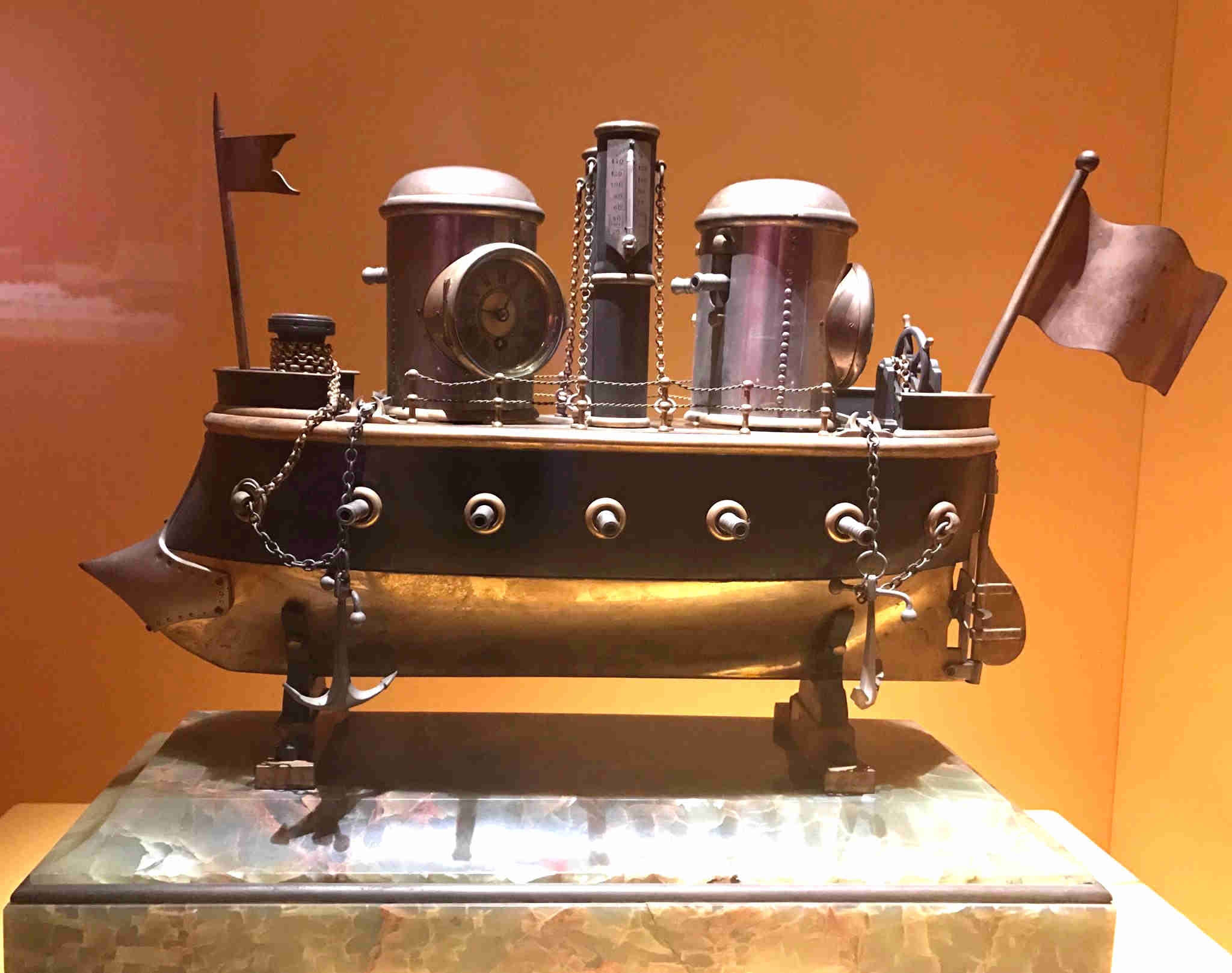
Bronze vessel-shaped timepiece from the Qing Dynasty. /CGTN Photo
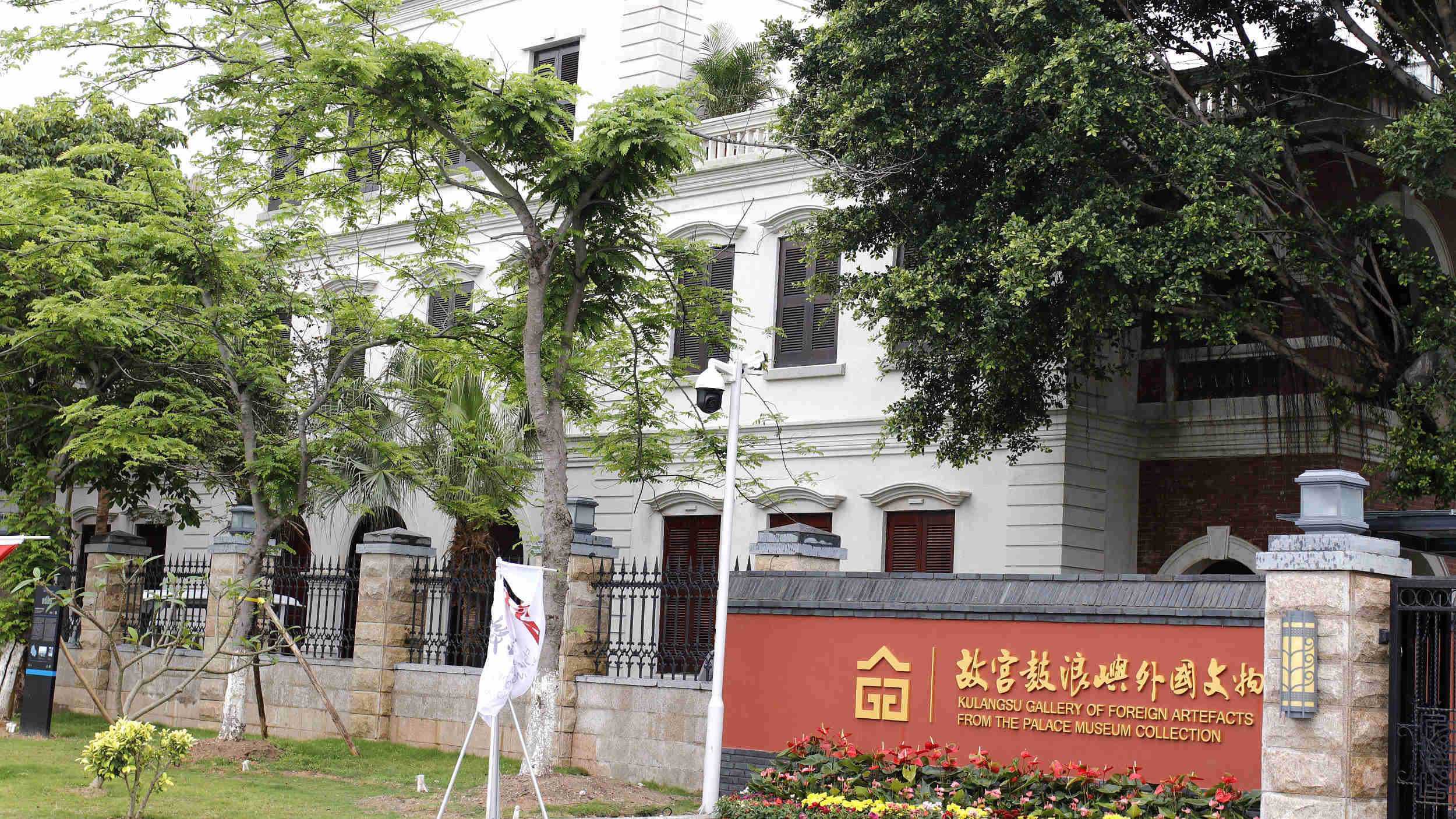
Co-founded by Xiamen Municipal Government and the Palace Museum, the gallery's exhibition area exceeds 2,800 square meters and can accommodate almost 3,000 visitors.
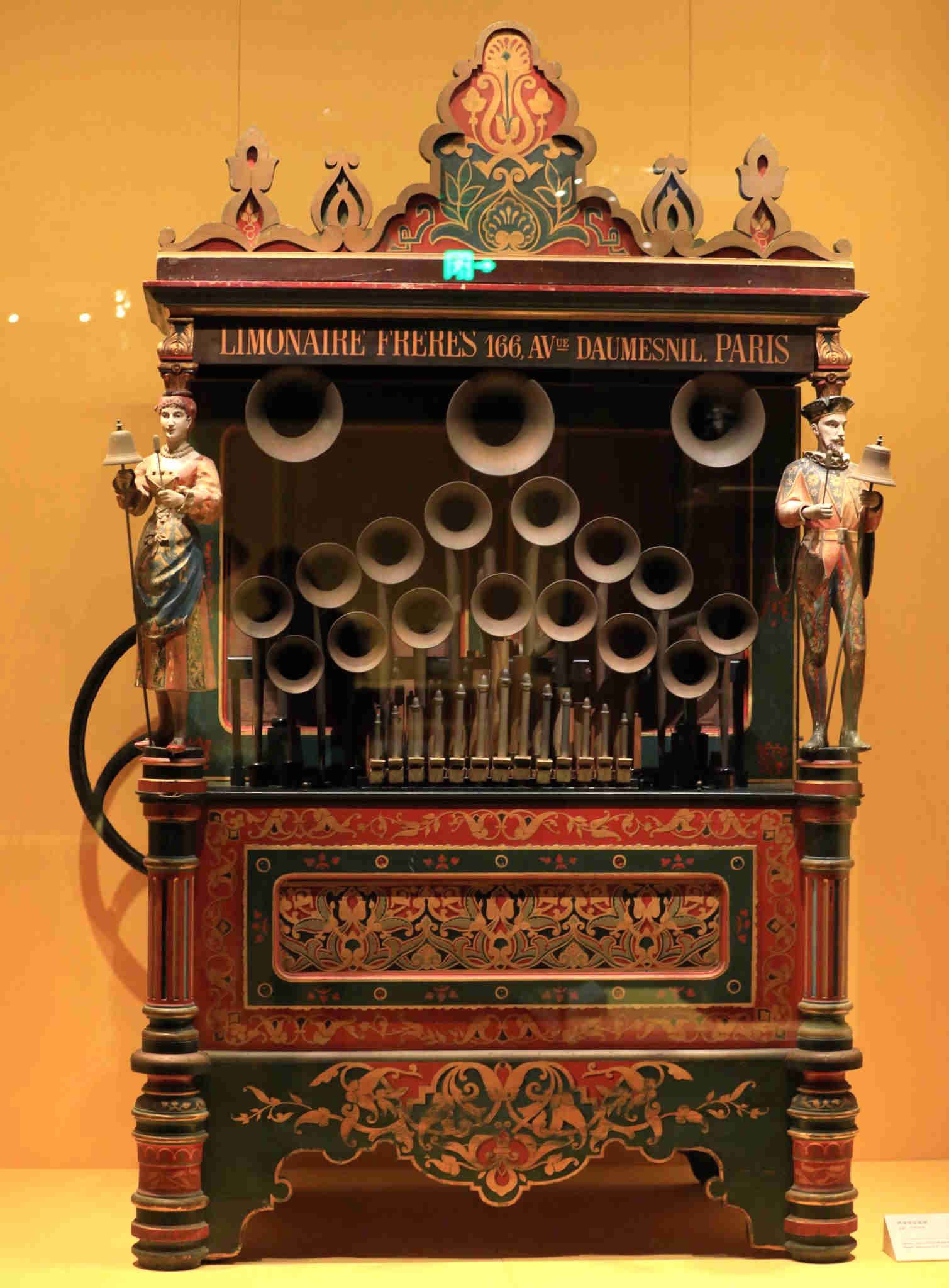
Automatic organ made in France that could play nine pieces of music. /CGTN Photo
The gallery aims to present the large amount of foreign treasures in the Palace Museum and Kulangsu's exotic architecture is a natural complement to the collection.
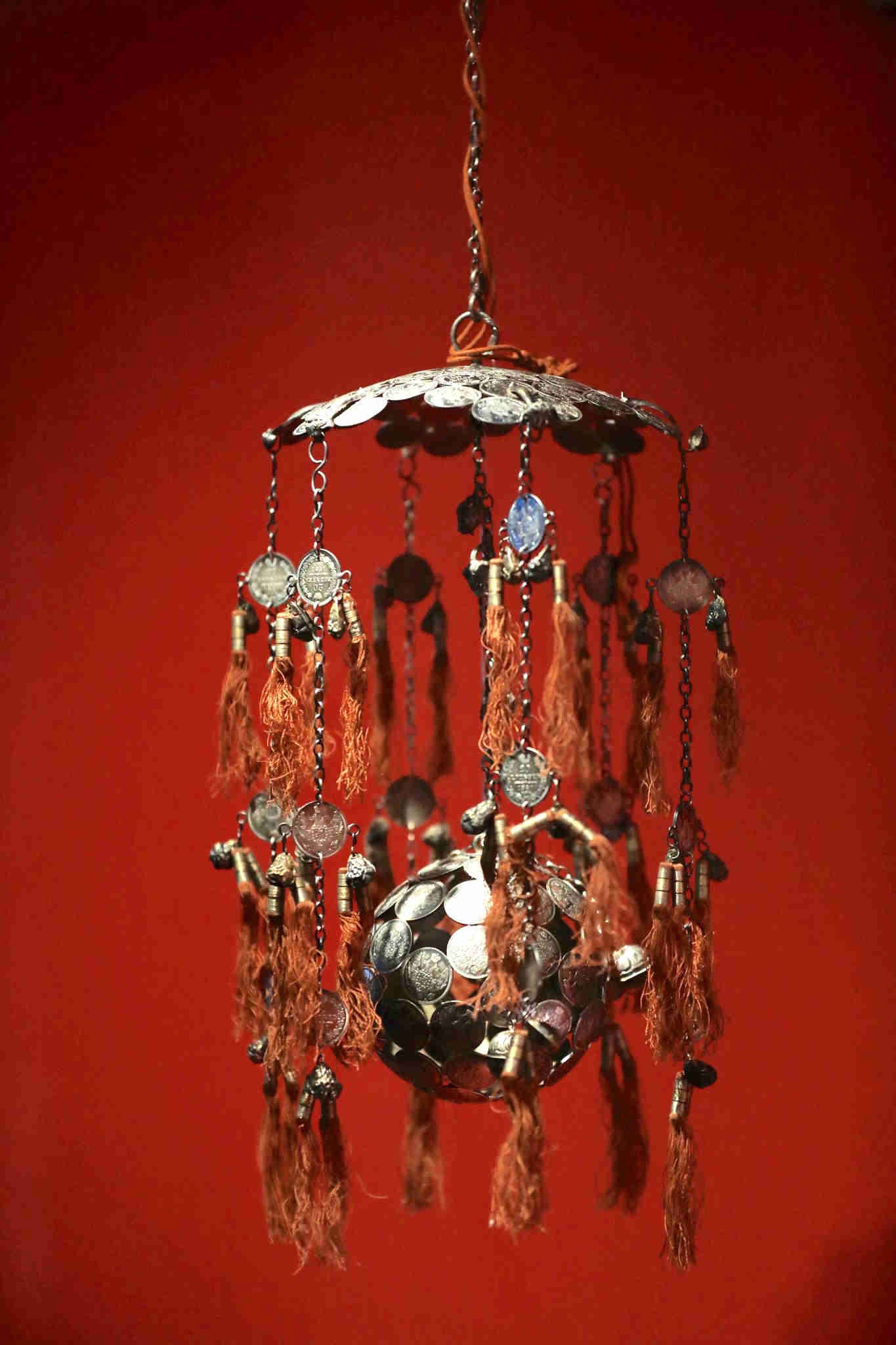
Ball-shaped wind chime made of coins, from Russia in the 19th century. /CGTN Photo
The gallery, located at the northern end of Kulangsu Island, was originally Hope Hospital and the Nurses’ Residence.
Hope Hospital was the first formal Western hospital in Xiamen. It was designed and built by the Dutch American Dr. John Abraham Otte (1861-1910) from the American Reformed Church in 1897. It was the main hospital at Kulangyu and its influence once extended into Southeast Asia.
- EXPLORE
- MORE