
China
21:46, 30-Oct-2016
China environment watchdog sounds noise pollution warning
Updated
10:18, 28-Jun-2018
 []
[]
Share







Copied
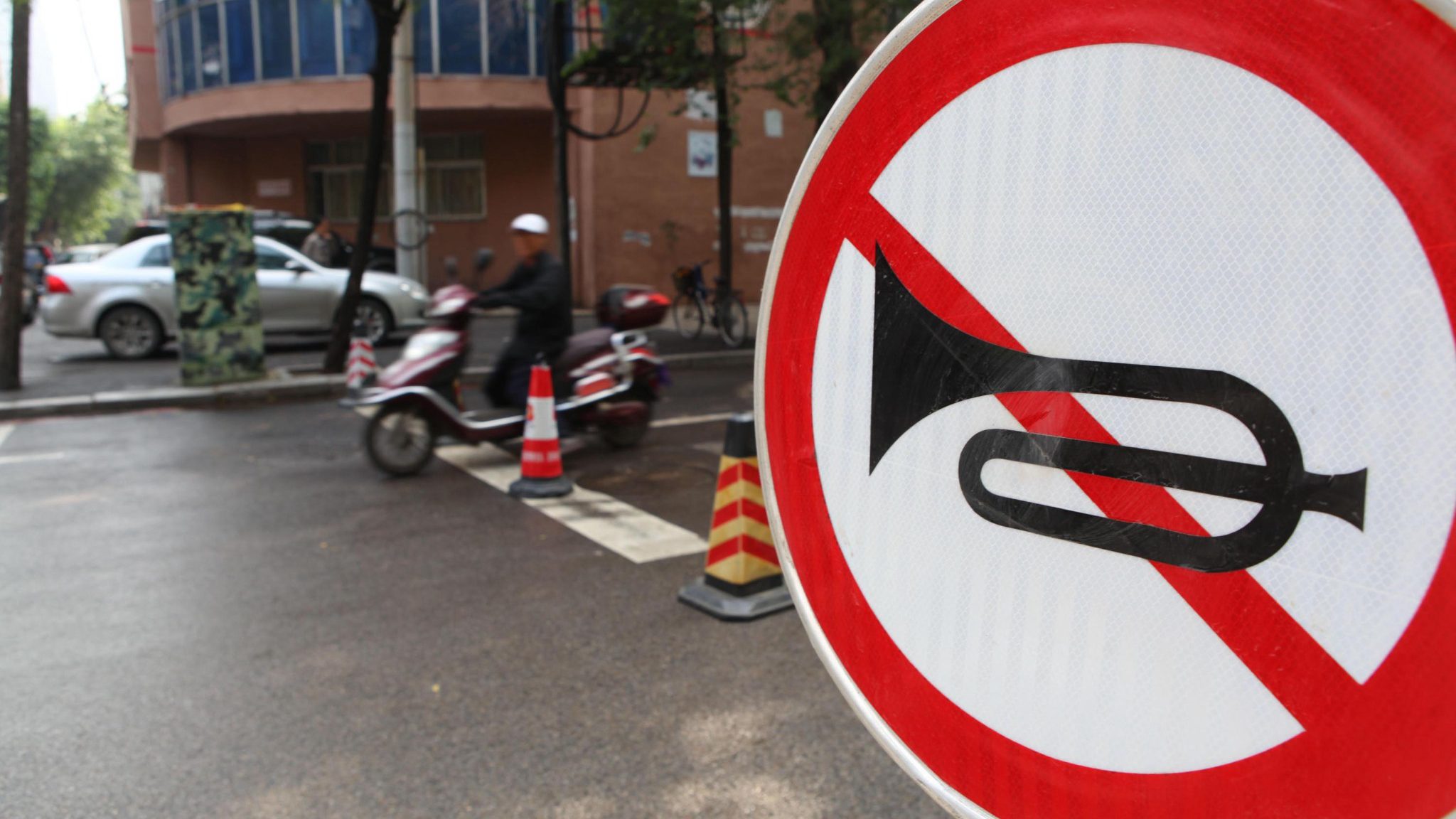
More than a quarter of Chinese cities suffered from noise pollution at night in 2015, the Ministry of Environmental Protection revealed in a report on Sunday.
Nearly 17,000 monitoring stations were used to record noise levels during the day and nighttime in 308 Chinese cities last year. Eight percent of the stations used for daytime monitoring recorded noise deemed unacceptably loud under national standards, while that figure rose to 25.7 for the stations used for nighttime monitoring, according to the ministry’s China Environmental Noise Prevention and Control Annual Report.
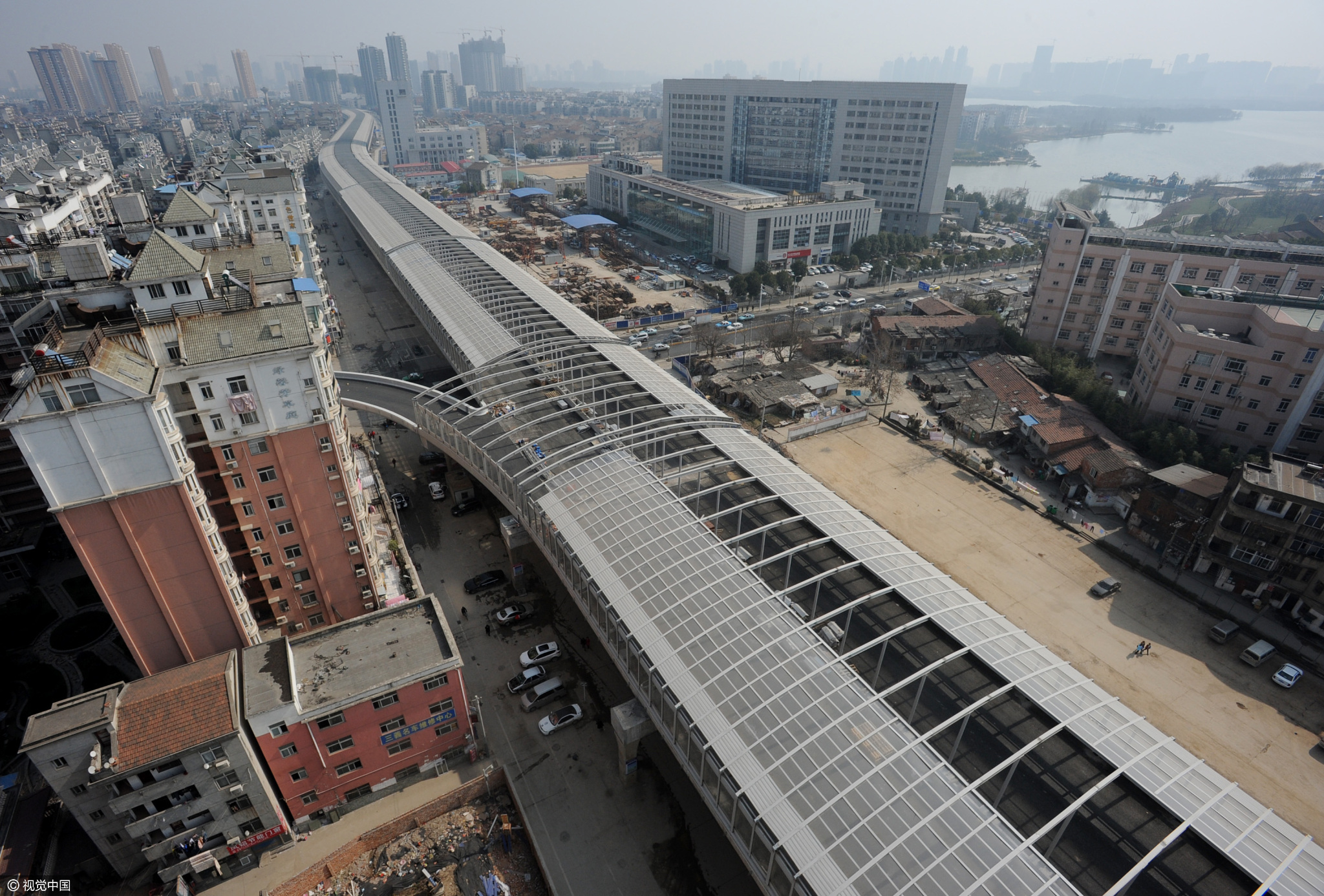
China counts suburbs as suffering from noise pollution if there is consistent sound above 50 decibels, roughly equivalent to light traffic, during the day and above 40 decibels at night. The numbers get progressively higher for universities and research institutes; residential compounds; commercial areas, factories and industrial parks; and finally areas along roads, watercourses and railways, where noise can rise up to 70 decibels and 60 decibels respectively before it is considered noise pollution.
In 2015, the ministry filed 350,000 public complaints about noise pollution, representing more than 35 percent of public complaints about all types of pollution. Most of the 350,000 reports concerned construction sites, followed by noise from daily life, enterprises and factories, and traffic.
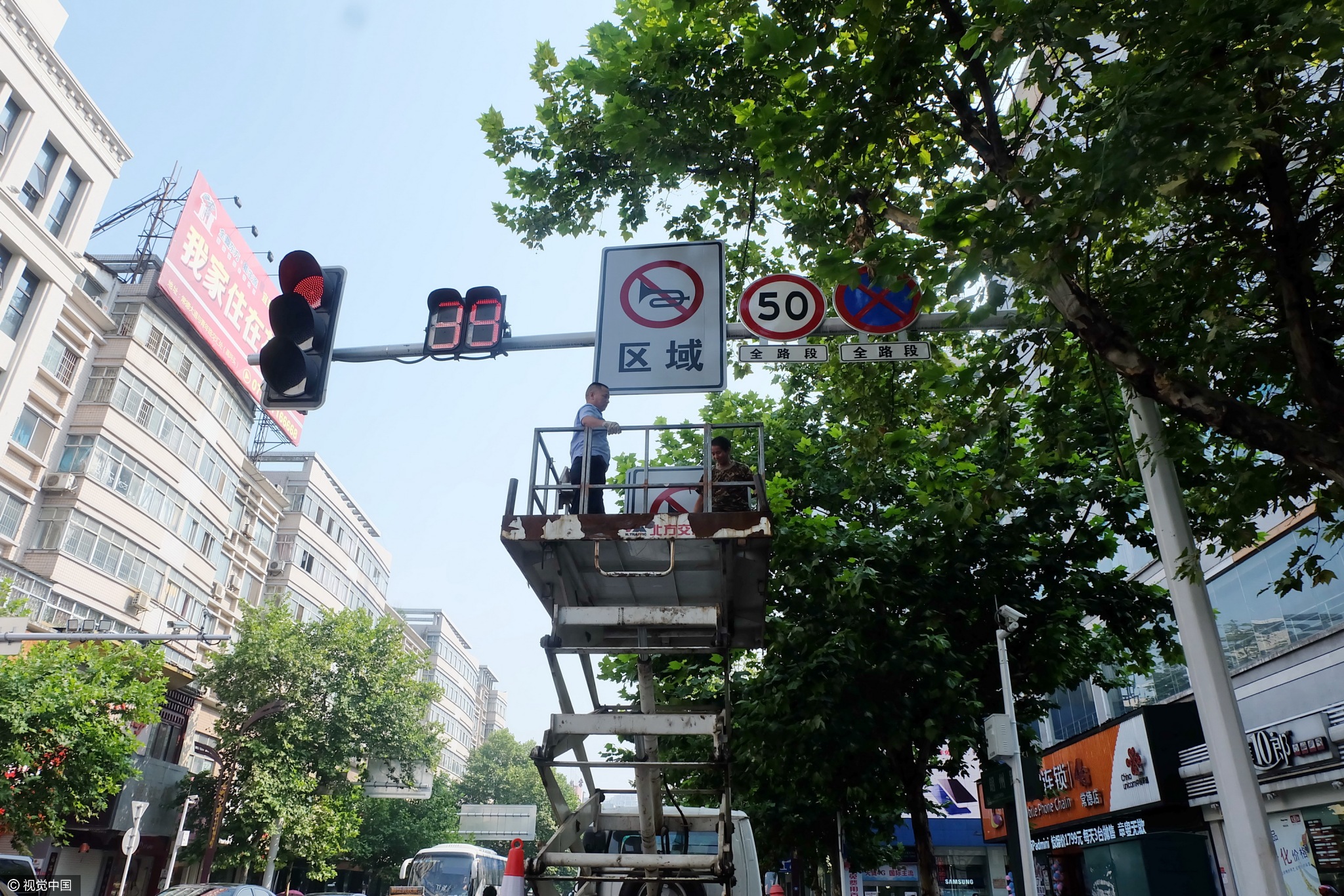
Despite China investing 4.22 billion yuan (approximately 623 million US dollars) in prevention and control of noise last year, people were still clearly bothered by banging, clanking and humming.

Noise pollution can lead to hearing loss, warned Lin Xia, director of the ear, nose and throat department at Hainan General Hospital in Hainan Province.
Wang Xianguo, a researcher with the Department of Ecology and Environmental Protection in Hainan, told the Workers’ Daily that it was difficult to combat noise pollution because of lack of clarity about which government departments have jurisdiction over the many possible sources of noise.
Many cities and provinces took steps to monitor noise and regulate against noise pollution in 2015. The Beijing government, for example, drafted regulations and standards focused on subway railways and the design of sound insulating boards.
According to the report, Chinese authorities are continuing to increase the number of noise monitoring points and working to strengthen laws in this area.
Story written by Sun Xiao