CULTURE


Egyptians puzzle over identity of massive statue as Ramses ruled out
2017-03-17 18:21:47 GMT+8
7546km to Beijing






Editor
Wang Wei
The Egyptian antiquities minister says that a large statue discovered in a Cairo slum is likely not a depiction of Pharaoh Ramses II, the Nineteenth Dynasty pharaoh who boasts in Shelley's sonnet "Look on my works, ye Mighty, and despair!"
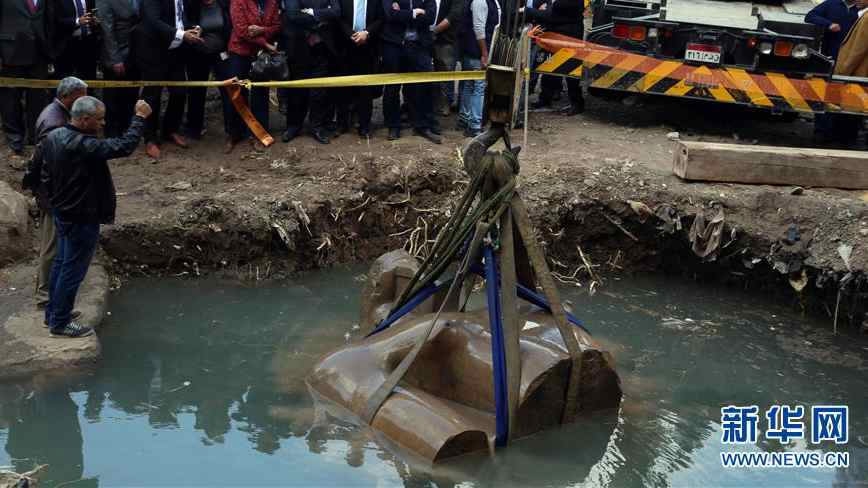
The massive eight-meter statue was discovered in the mud of a Cairo slum earlier this month. It was initially hailed by the antiquities ministry as among the most important discoveries to date, on the basis that it depicted Ramses the Great, the most powerful and celebrated ruler of ancient Egypt’s New Kingdom.
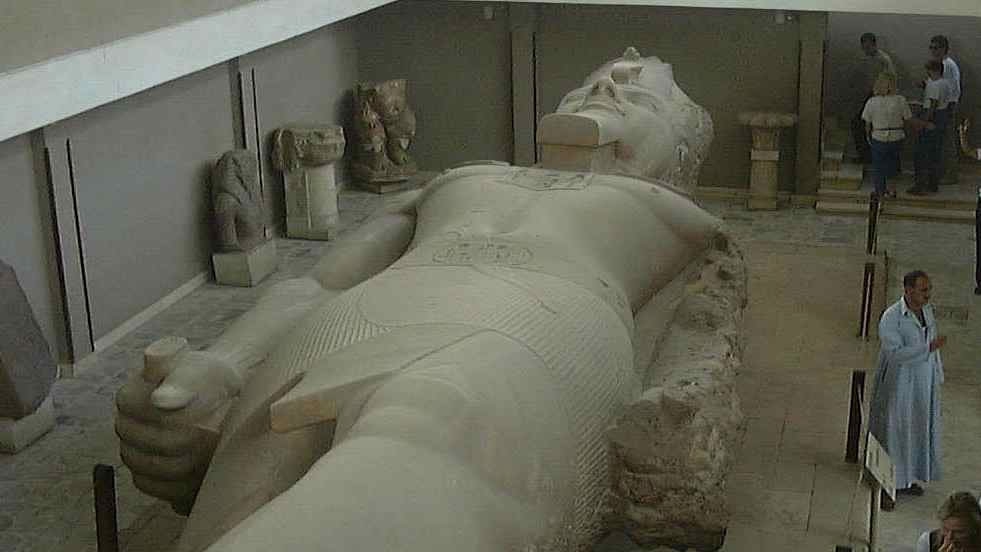
Colossal statue of Ramses II, in Memphis, Egypt. /CFP Photo
After examining pieces of the eight-meter statue however, Antiquities Minister Khaled Al-Anani said its characteristics pointed to a different time.
The colossus is instead thought to be of the much later King Psammetich I, who ruled from 664 to 610 BC. If confirmed, it would be the largest statue of the Late Period ever discovered.
Egyptian and German archaeologists had found the statue in the working class area of Matariya among unfinished buildings and mud roads. The location is near the ruins of Ramses II's temple in the ancient city of Heliopolis.
7546km
Copyright © 2017
SHARE
- EXPLORE
- MORE
FOLLOW US