
Tech & Sci
16:35, 06-Feb-2017
Post-subsidy era of new energy vehicles
Updated
10:41, 28-Jun-2018
 []
[]
Share







Copied
By CGTN’s Zheng Chunying
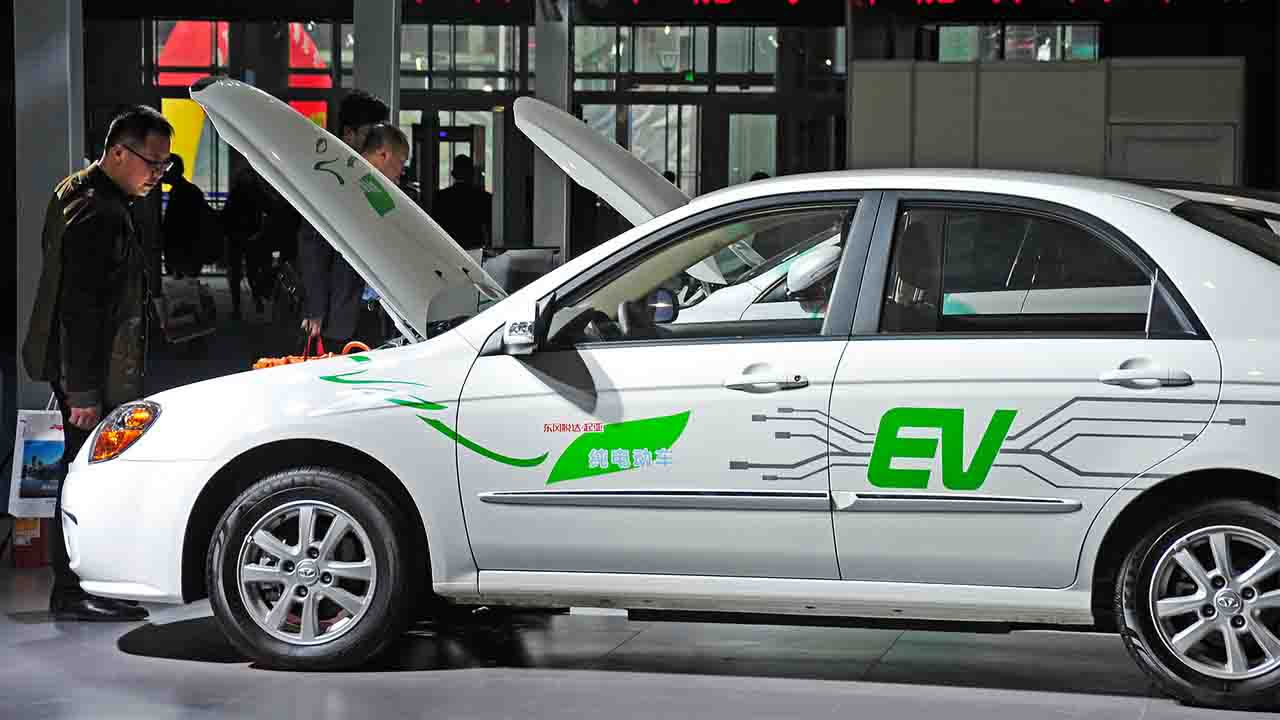
Lucrative government subsidies have been the driving force behind China's electric-vehicle boom over the past few years. But the boom looks to be nearing its end, as China maintains plans to gradually phase out subsidies for green energy vehicles.
VCG Photo
VCG Photo
After years of enthusiastic support, China's national government is now putting its electric-car subsidies into reverse. It plans to cut subsidies by 20 percent over the next few years, and eventually by 40 percent between 2019 and 2020, before eliminating them all together in 2021.
The purpose of this move is to ensure the industry does not grow dependent on subsidies. But it presents a great challenge for car makers.
"The new policy makes the industry more market-oriented, so it forces us to do more research on the market to develop our potential and to make more innovative progress," said Wang Chuanfu, CEO of BYD Co., Ltd.
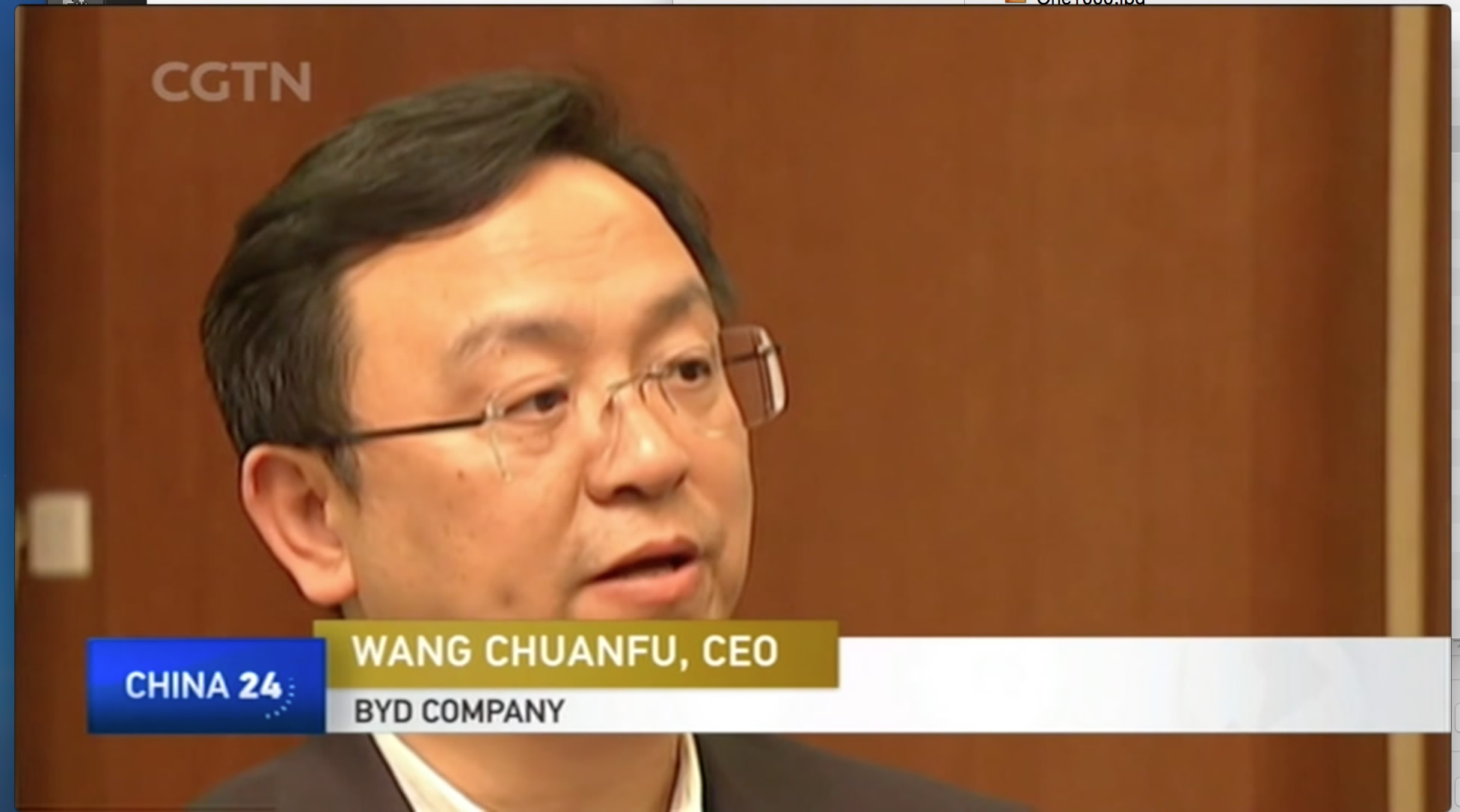
This screengrab shows Wang Chuanfu, CEO of BYD Co., Ltd.
This screengrab shows Wang Chuanfu, CEO of BYD Co., Ltd.
Many car companies have remained enthusiastic and confident. They've already stepped up their preparations, putting huge amounts of money into new-energy vehicle innovation and developing their own models.
"We always believe the country should encourage merging newer companies with more experienced manufacturers in order to achieve win-win benefits," noted Li Bin, founder of an electric car company NextEV.
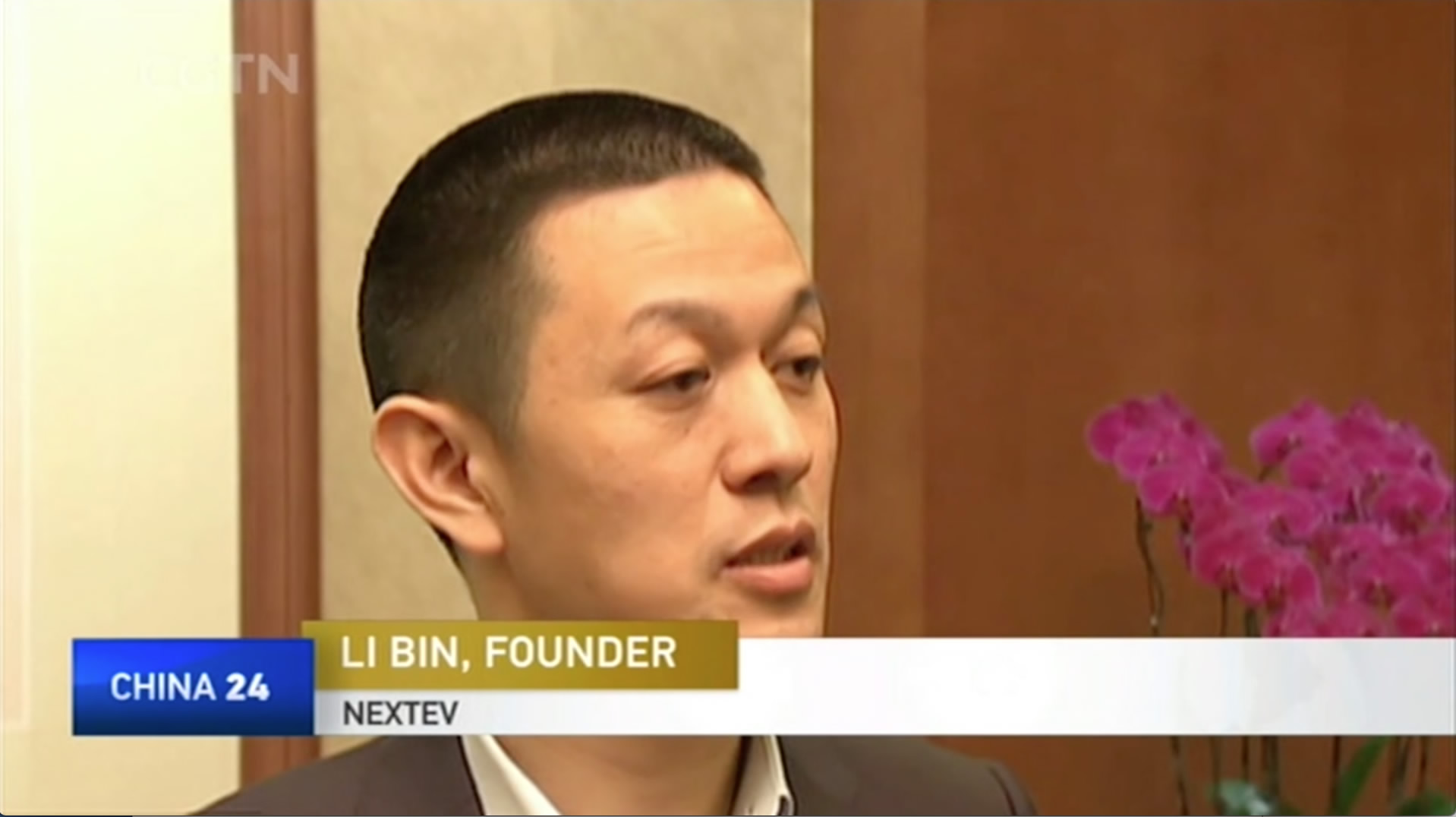
Screengrab shows Li Bin, founder of an electric car company NextEV.
Screengrab shows Li Bin, founder of an electric car company NextEV.
But without lucrative government subsidies, surviving the market will indeed be no easy task, and there is still a long way to go before the market can stand on its own.
China’s NEV sales increase 82%
Spurred by the generous subsidies, electric car sales in China have witnessed a huge increase.
Statistics from the China Association of Automobile Manufacturers show that China sold 337,000 new energy vehicles in the first 10 months of 2016. These include electric cars, plug-in hybrids, and fuel-cell cars. This was an impressive 82 percent growth rate, year-on-year. The record sales volume came after China became the world's No.1 market for the cars in 2015, selling 330,000 in the year.
The central government started offering subsidies in 2009 to stimulate the development of new energy vehicles. As of the end of 2015, more than 33 billion yuan (4.8 billion US dollars) had been earmarked for such purposes.