
By CGTN's Han Bin
2017 is shaping up as a year for the Chinese leadership to continue reform in all fields while maintaining stability for growth. The government is confronting major structural challenges and changes in its economic direction, while facing fresh tests amid growing uncertainties in global issues.
I’ve been following the National People’s Congress (NPC) session, which concluded today, to see how China’s policies are made - and ponder why there are misconceptions about it. Running a big country is not easy. Its future largely depends on how well the agenda can be translated into action.
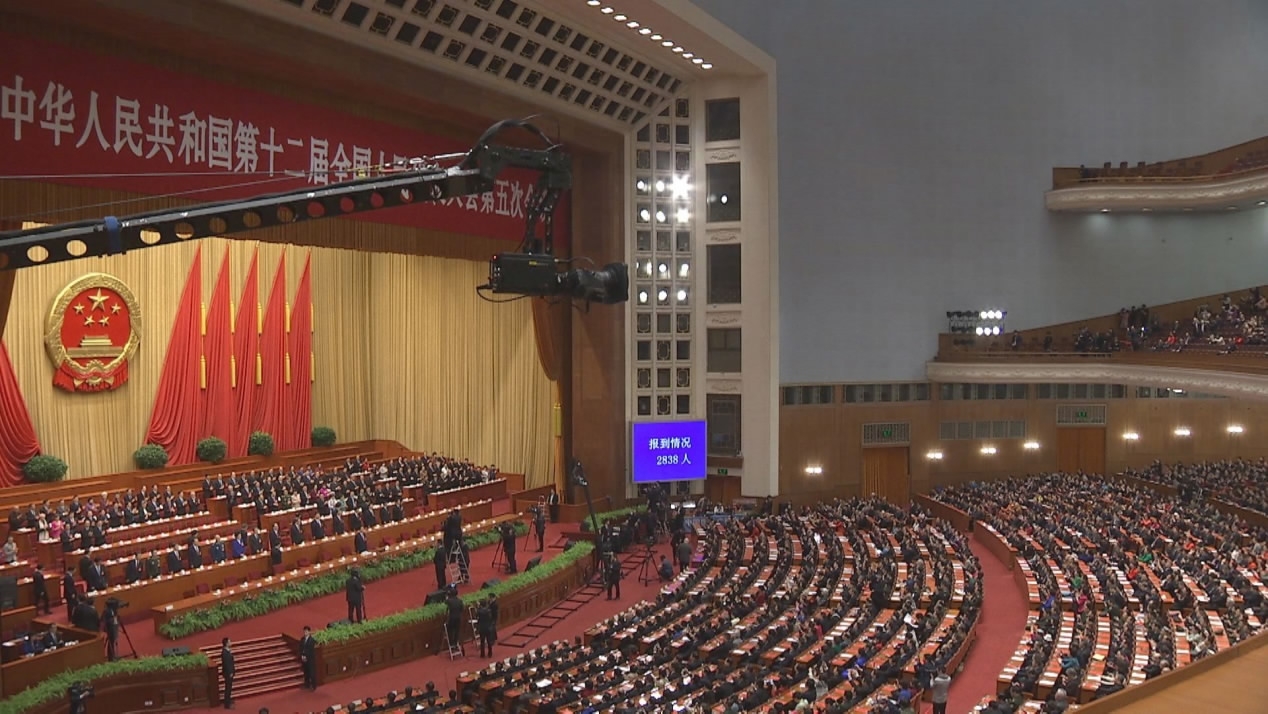
The National People's Congress, China's parliamentary body, concluded its annual session on March 15, 2017. /CGTN Photo
Voting is a key part of the NPC's role. It’s also a responsibility of the deputies in exercising supervision. However, this part of China’s political season has often been ignored, and has never been broadcast.
This is just like the collection and processing of motions, something the public seldom sees. Motions usually go through legal channels to reach the special committees of the Congress for assessment. As the public don’t see the debates, it’s easy to characterize voting as a rubber stamp, but voting against and abstaining have already become a normal practice, being protected by Constitution.
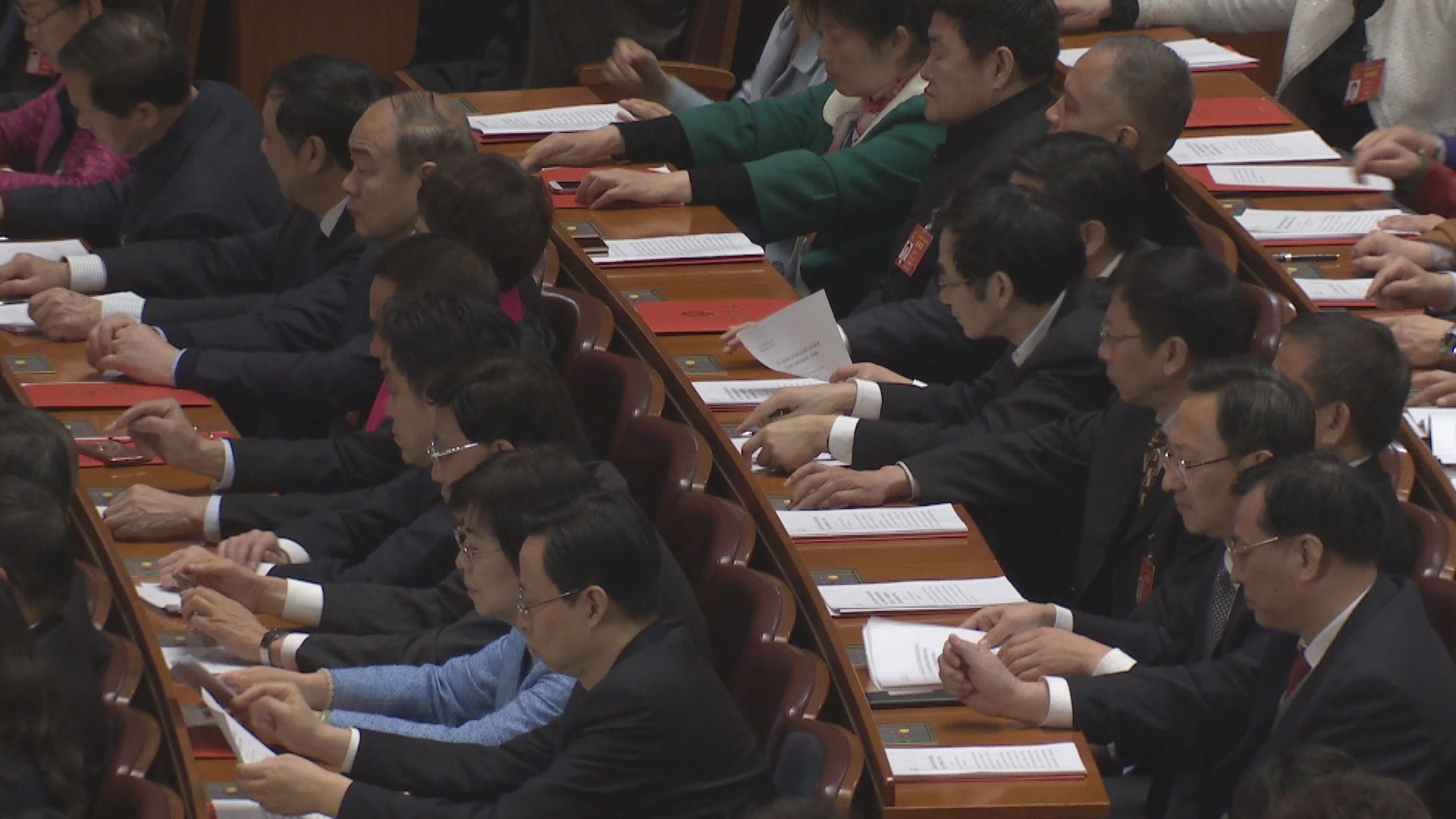
Deputies vote on government report. /CGTN Photo
For example, this year, the Budget Report got 208 "Nos", and 71 abstentions. That's nearly 10 percent of the nearly 3,000 deputies. The reports on the Supreme People’s Court and Supreme People’s Procuratorate also got 180 votes against and 49 abstentions, the second lowest approval rate this year. These dissenting votes may reflect lawmakers' determination to push the government to improve its work.

The Budget Report gets 208 "Nos", and 71 abstentions. /CGTN Photo
I have to say China’s political sessions make headlines as the policies released have global impact. The two weeks of meetings have made China’s policies clearer to the outside world.
This meeting followed the Davos World Economic Forum, when President Xi Jinping defended globalization. This session is the first since Xi was endorsed as the core of the CPC Central Committee last October. The policies from the Two Sessions echo Xi’s “Four Comprehensives” guidance – achieving a prosperous society, deepening reform, advancing the rule of law, and governing the Party strictly.
To many observers, the sessions have sent important signals about how China will march towards Xi’s vision of the Chinese Dream, and how Xi’s thoughts will provide the ideological basis for the National Party Congress this autumn. The Party Congress is generally held every five years, making it another key political event to watch.
0km