POLITICS


Iranians queue up to vote as presidential poll extended
2017-05-19 22:45 GMT+8






Editor
Yao Nian
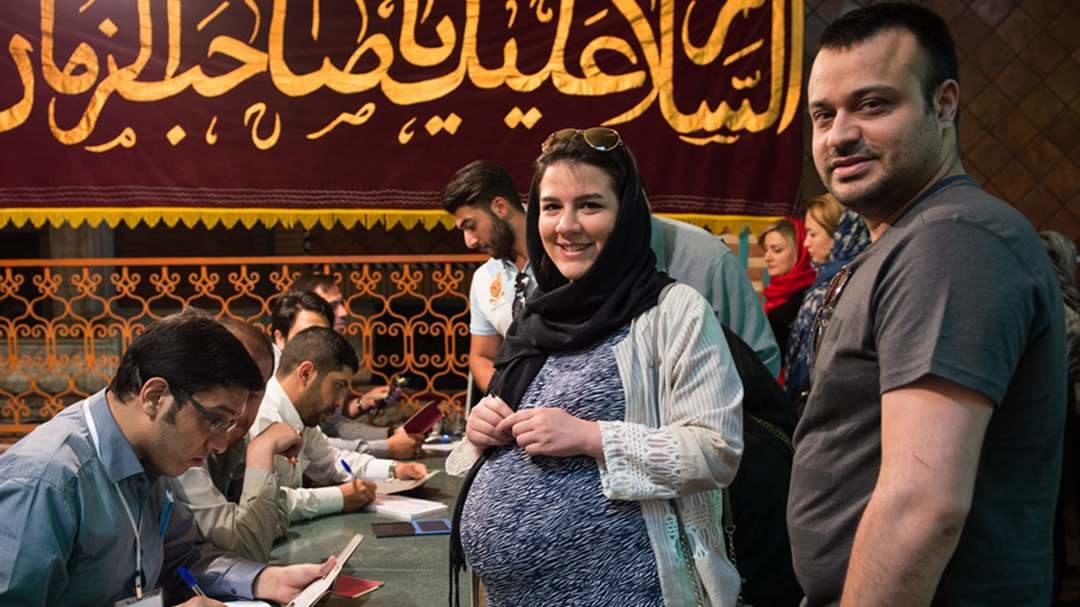
Iran's presidential polls were extended by at least two extra hours to 8:00 p.m. (1530 GMT) as millions of Iranians lined up Friday to vote between competing visions of their country – an open Iran to the world or a more self-sufficient "resistance economy."
"I am responsible for my future. If I do not vote today and the results turn out to contradict my will, I may regret it later," Neda Taherkhani, a 26-year-old voter said excitedly.
The election presents a stark choice between incumbent President Hassan Rouhani, a moderate who calls for active diplomacy with all countries and opening to foreign investment, and former attorney general Ebrahim Raisi, a hardliner who urges a strong and unified front vis-à-vis the US, and pledges to eradicate poverty.
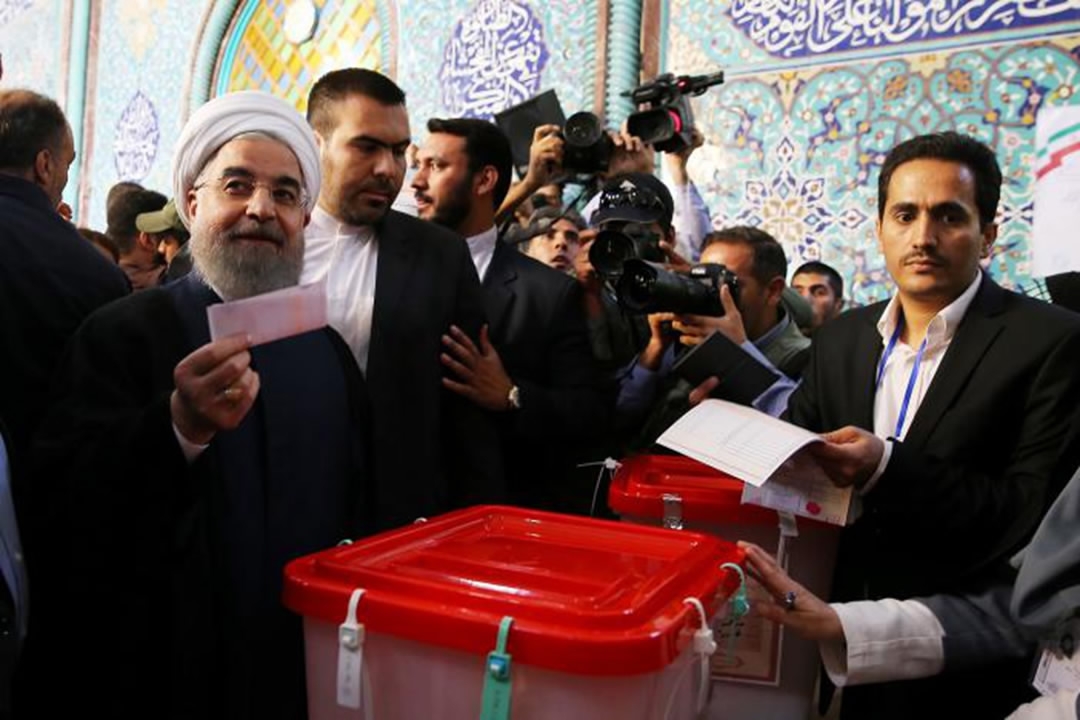
Iran's President Hassan Rouhani casts his ballot during the presidential election in Tehran, Iran on May 19, 2017. /Reuters Photo
Rouhani, 68, said the election was important "for Iran's future role in the region and the world." He negotiated the 2015 nuclear deal with China, France, Germany, Russia, the UK and the US for the lifting of most economic sanctions.
Raisi, 56, says the deal's "check has not been credited" to Iran. He is a protege of supreme leader Ayatollah Ali Khamenei, a 77-year-old hardline cleric who holds the ultimate power to design security and foreign policies.
Recent unofficial polls still put Rouhani ahead of Raisi, but it remains unclear if Rouhani can avoid a runoff.
Rouhani retains lukewarm support from pro-reform voters who are anxious to keep out Raisi, but are disappointed with the slow pace of Rouhani's reforms in his first term, Reuters reported.
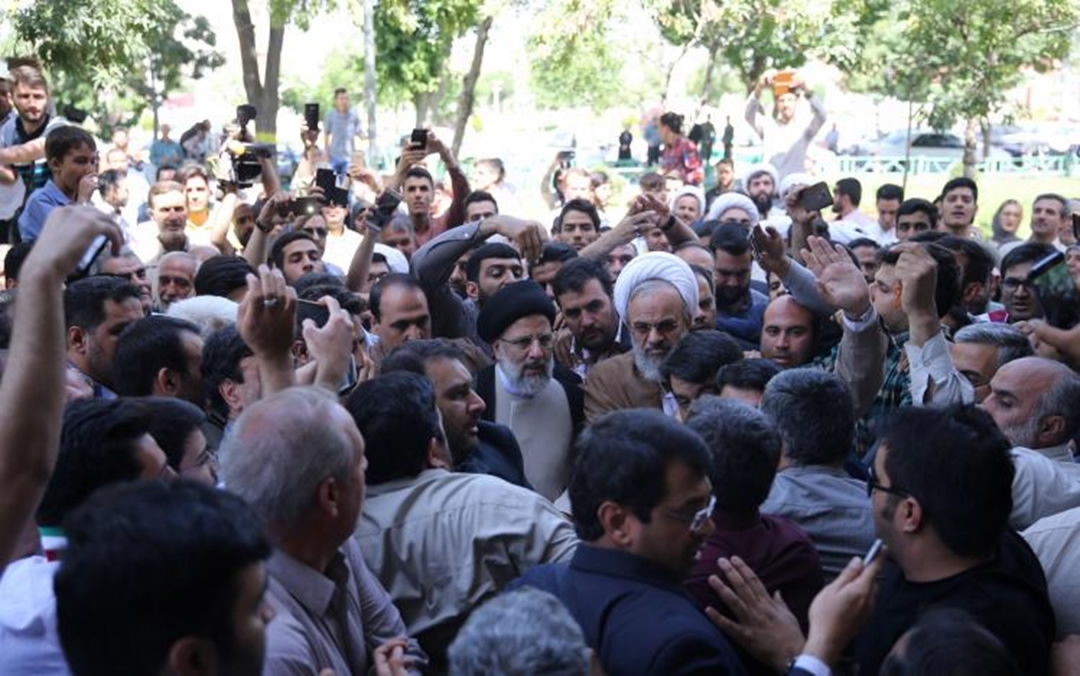
Iranian presidential candidate Ebrahim Raisi (C) arrives with crowds of supporters to cast his vote during the presidential election in Tehran, Iran, on May 19, 2017. /Reuters Photo
Raisi is backed up by conservatives who reportedly see him as a potential candidate to succeed Khamenei as Iran's supreme leader. He may gain votes from the poor who are angry at the Tehran elite, and has visited rural areas and villages to promise welfare benefits and jobs.
Both political camps suspect Khamenei supports Raisi for the presidency and the possible succession of his post, despite his neutrality in public. The supreme leader hailed the election as a sign of democracy.
The election is taking place under protection of about 350,000 security guards, who have been warned not to meddle in the vote by Rouhani. Raisi is believed to have the backing of the powerful Revolutionary Guards security force.
Two other conservative hopefuls, Mostafa Agha-Mirsalim and Mostafa Hashemi Taba, are still officially in the race, in which around 56 million Iranians are eligible to vote. If no candidate receives over 50 percent of votes in the first round, a runoff will be held on May 26.
Ballot counting was set to start at midnight and the final results are expected within 24 hours of polls closing. The president of Iran is elected every four years and can only serve two terms.
(With inputs from Xinhua and Reuters)
Copyright © 2017
SHARE
- EXPLORE
- MORE
FOLLOW US