
The emotional weight of a handwritten letter can still be overpowering – just like this father’s letter to his son who works as a migrant worker in a different town.
However, the letter didn’t make it to the intended recipient. It was found on the rear seat of a bus in Zhengzhou city of Henan Province on Wednesday.
But many of the Chinese have read that letter after it was published in local media, and shared on the Internet, hoping it will be delivered to its intended recipient.
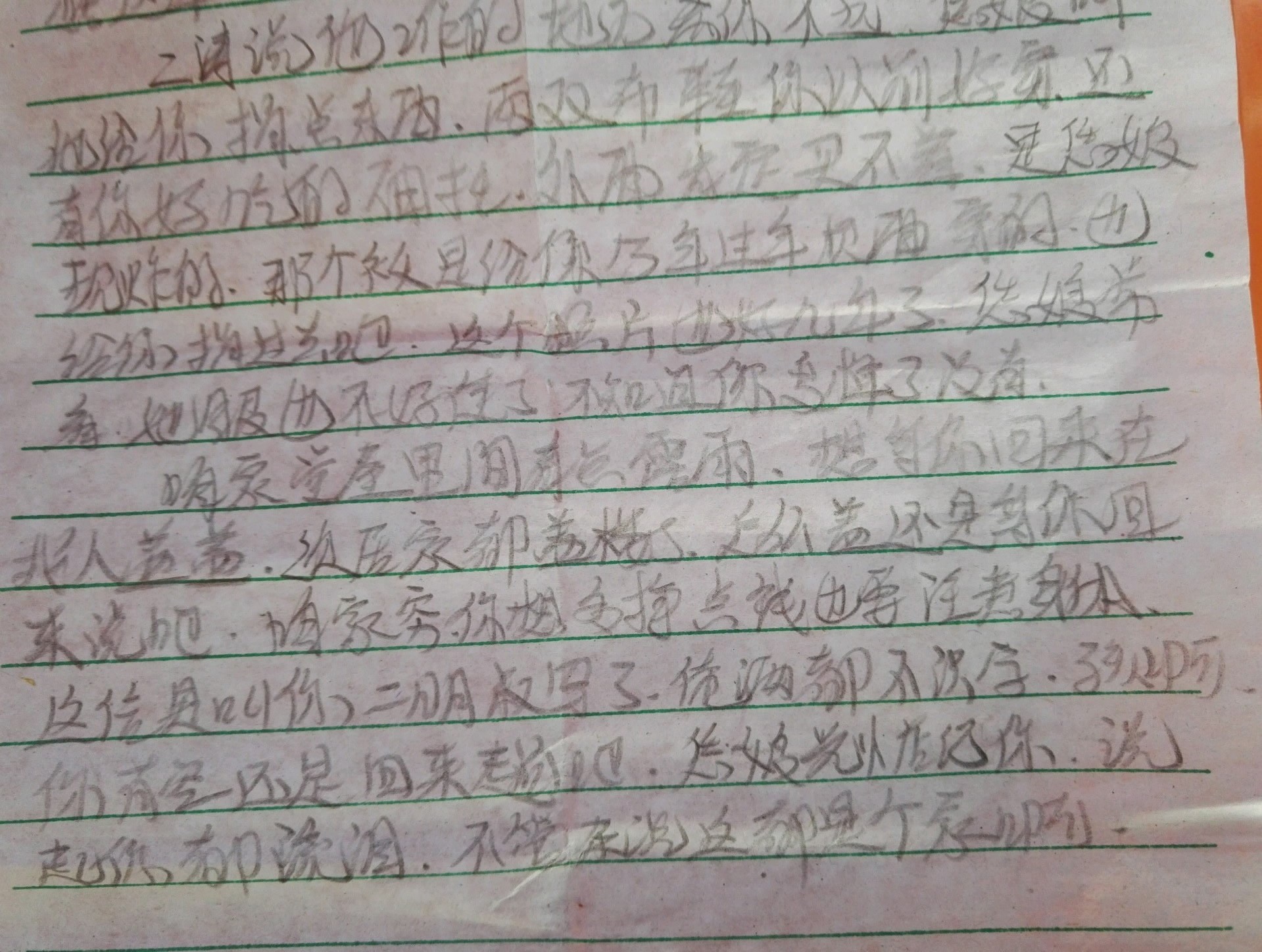
The letter was found on a bus on Feburary 15, 2017. /CFP Photo
The 500-character letter, published nearly in full with some personal details omitted, is a display of parental love.
"You have been away from home for three years and you said you want to make more money in Shanghai, your mother and I understand and support you," the letter reads.
“We don’t have any problem with money so you can save the money and later find yourself a wife,” read the letter, which in following paragraphs acknowledges that the family is “poor.”
According to the letter, the son, nicknamed Xiaoyang, had left to work in Shanghai three years ago and had never returned home since. The father had also mentioned that since the couple was illiterate, they had to rely on a relative to write the letter. He had asked a fellow villager to deliver the letter, together with some local snacks that Xiaoyang liked.
Instead of an envelope, the letter was folded and inserted in a pair of traditionally woven shoes, with a faded photo, which was referred in the letter, as a picture of the son.
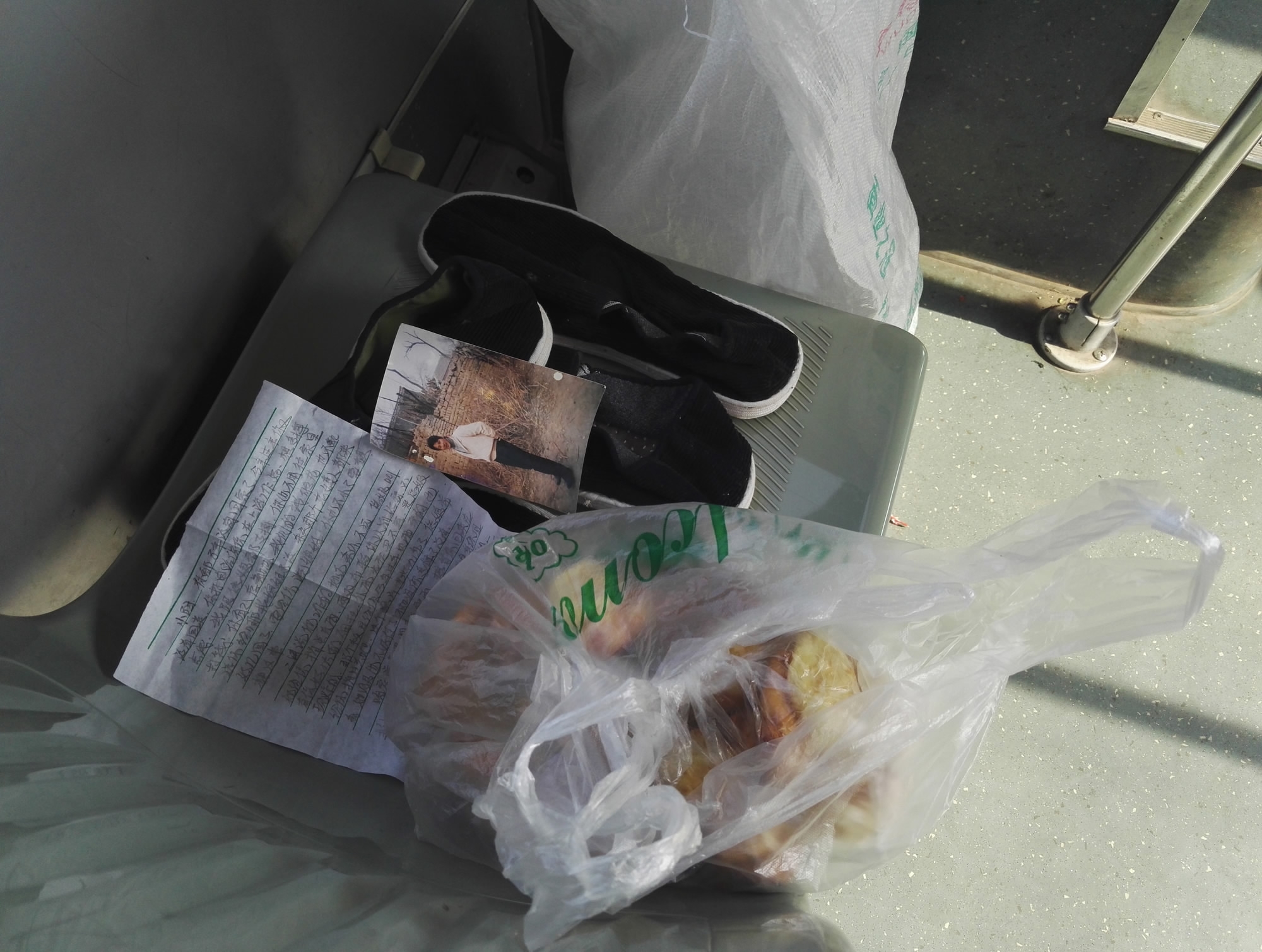
Together with the letter, there were also a pair of shoes and a jacket for the son, as well as a bag of local snacks.
“Your mother used to look at the photo all the time,” the letter read. “Now her eyesight is not as good and she wonders if you have changed.”
The letter has evoked the emotions of many, as a lot of Chinese are sharing it.
“Paused at every line to wipe tears,” a Weibo user named @Shouhuxiadu commented.
By Friday morning, no one has claimed the letter, yet.
An estimated 280 million Chinese, nearly one-fourth of the country’s population, work as migrant workers, and many of them chose to trade festivals for higher wages, missing out on the annual family reunions, especially during the Spring Festival holidays.