POLITICS


Will Xi-Trump summit dial back Korean Peninsula tensions?
2017-04-06 19:56 GMT+8






Editor
Zhang Ruijun
By CGTN's Chen Pan
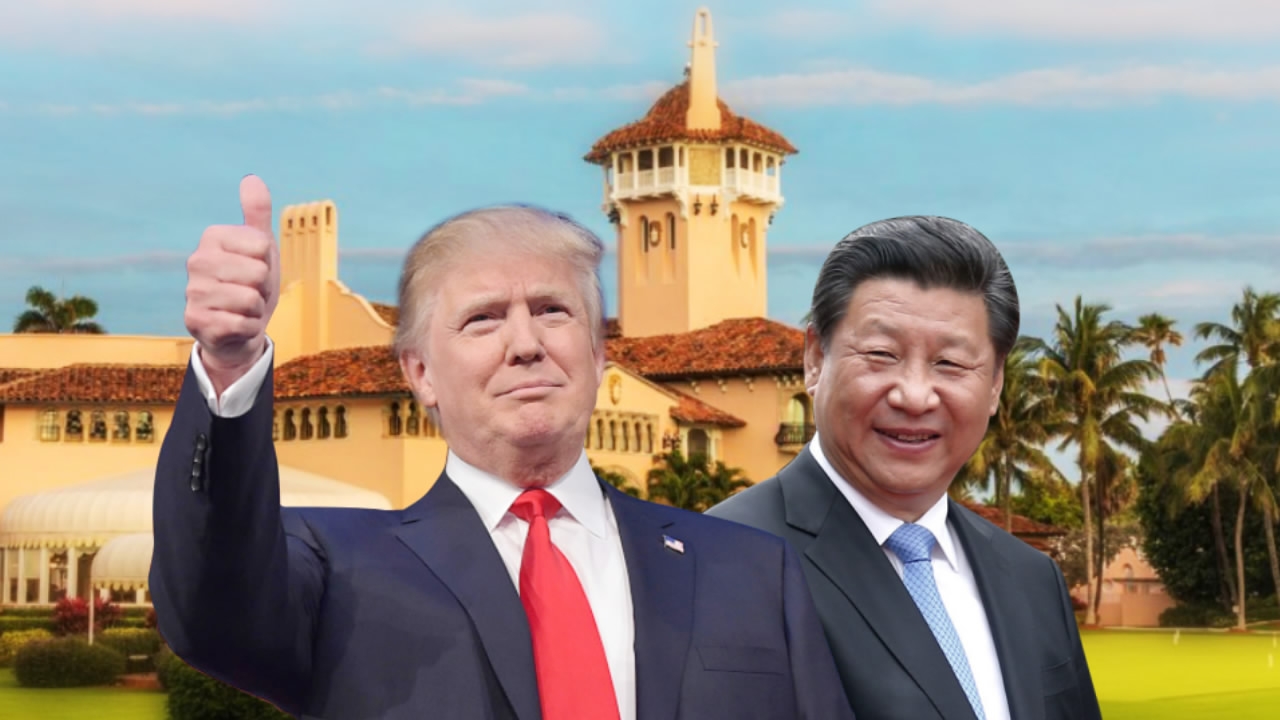
The DPRK fired another ballistic missile into the Sea of Japan on Wednesday, just as Chinese President Xi Jinping and US President Donald Trump prepared to meet face-to-face for the first time.
For experts, the summit in Florida on Thursday is a chance for the two big powers to bridge their differences regarding the DPRK, but it will also take time.
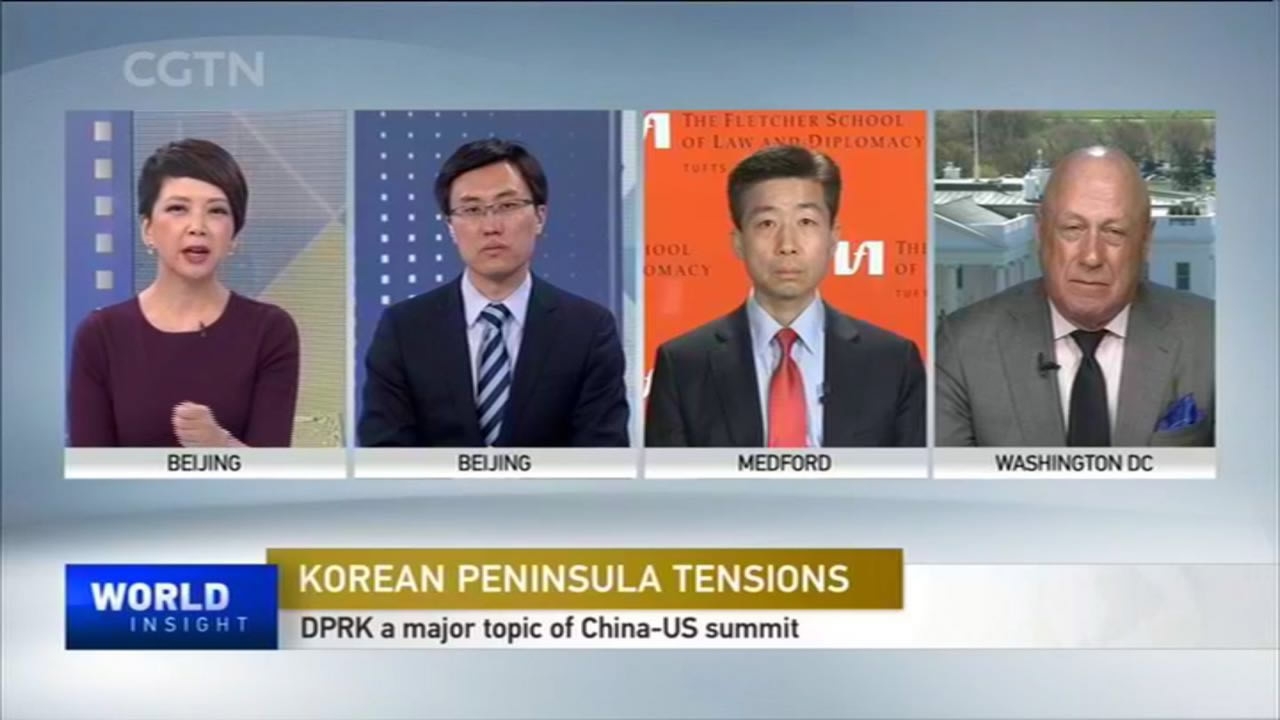
Speaking to CGTN’s World Insight, Zhao Tong from the Carnegie-Tsinghua Center for Global Policy noted that both sides were coming to the meeting with their own concerns: The US fears China might use the Korean Peninsula crisis to undermine US security and alliances in the region, while Beijing suspects that Washington will deploy military assets closer to the Chinese border in order to contain China.
“There’re a lot of misunderstandings about each other’s strategic intentions,” said Zhao.
“China might be able to help more, but there’s a limit on its impact on North Korea's nuclear policy,” he also argued about repeated appeals for Beijing to lean on Pyongyang.
“In return, China also wants to see the US being more flexible on the deployment of missile defense system in South Korea. So there’s room for substantive discussion,” noted Zhao.
A warm personal relationship was not a prerequisite for agreements on policy, Sung-Yoon Lee, a professor from the Fletcher School of Law and Diplomacy at Tufts University, also said.
Xi’s meetings with Trump’s predecessor Barack Obama “didn’t lead to a resolution on all the key issues of bilateral interests between China and the US,” he noted.
In the end, Thursday's summit was still a getting-to-know-each-other meeting, Lee added.
“I don’t see any disaster, I don’t see any frowning or angry statements from either side in the upcoming summit meeting. But we still have a long way to go before there’s any resolutions on key points on North Korea or trade,” he concluded.
CGTN screenshot
Douglas Paal, vice president of the Carnegie Endowment for International Peace, pointed out existing divisions, within the White House itself and with other major powers, over what needs to be done about the DPRK.
Only Xi and Trump can sit down together and reassure each other, while expressing their bottom lines regarding what needs to be achieved on the Korean Peninsula, Paal argued.
With the US conducting military exercises near the DPRK and Pyongyang showing off its missile capabilities, "We're in the annual tit-for-tat tension period," which often leads to more diplomatic contacts afterwards, he added.
Political turmoil in South Korea also meant the US’s main partner in the region was otherwise occupied.
“So I think the hopeful result of this week's summit in Florida will be running the clock out, don’t respond to everything the North Koreans do in a hurry, but take time, conduct a thorough policy review, conduct thorough consultations, to see what we can do at the end of this process,” Paal added.
As Pyongyang prepares to mark key anniversaries in April, there is rising concern that DPRK leader Kim Jong Un will carry out more tests as a warning to the US.
In any case, expectations are high for Thursday’s Xi-Trump meeting and what it can do to dial back tensions.
Copyright © 2017
SHARE
- EXPLORE
- MORE
FOLLOW US