TECH & SCI


Frequent PE classes boost cognitive function, academic performance: study
2017-04-14 17:28 GMT+8






Editor
Meng Yaping
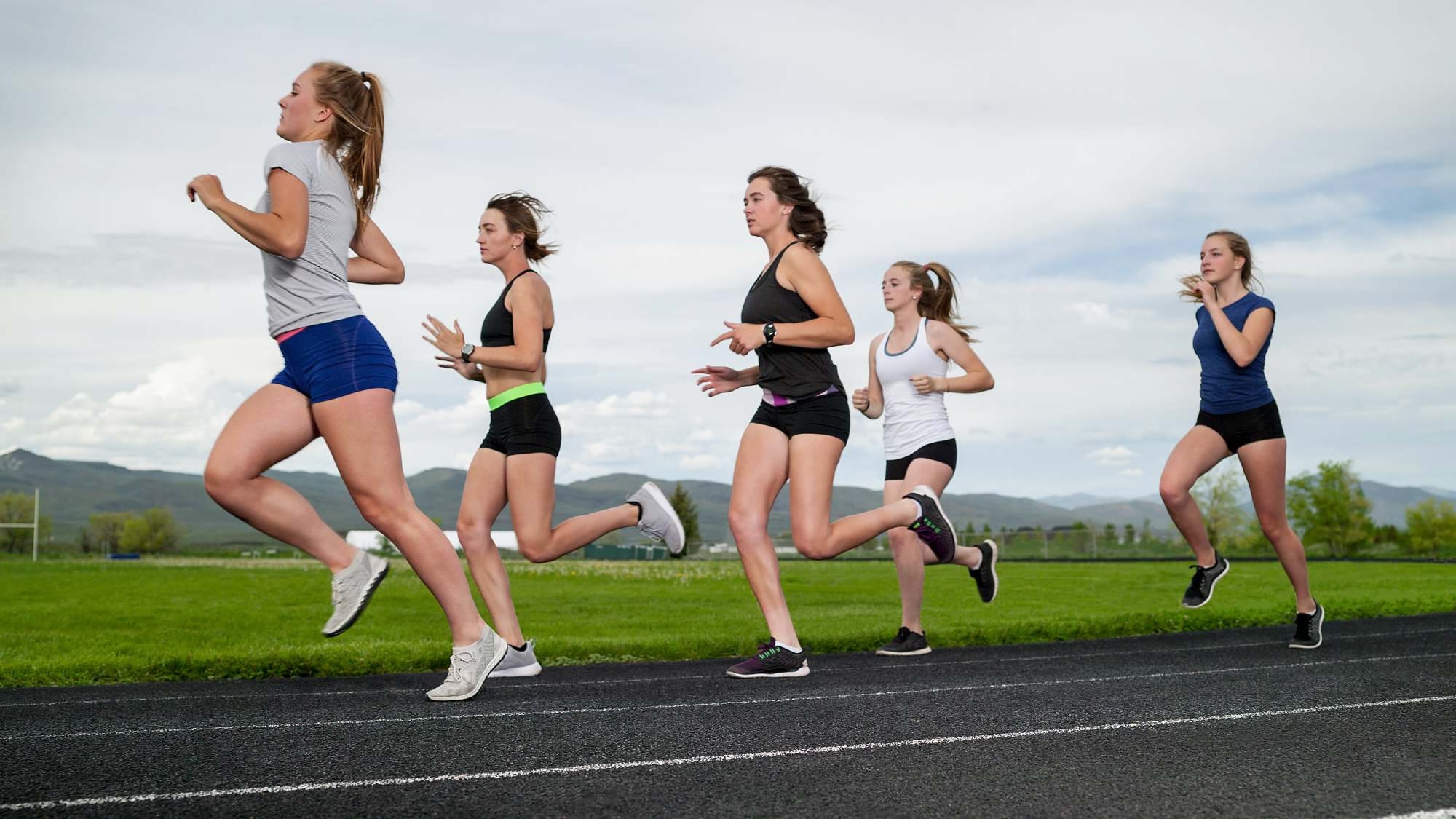
A new study indicates that frequent, long-term instruction in physical education (PE) helps adolescents improve their cognitive function and academic performance.
At the same time, adolescents are equipped with knowledge about how regular physical activity relates to good health.
The findings, published in the American Journal of Health Promotion, come at a time when regular physical education is on the decline in the United States.
VCG Photo
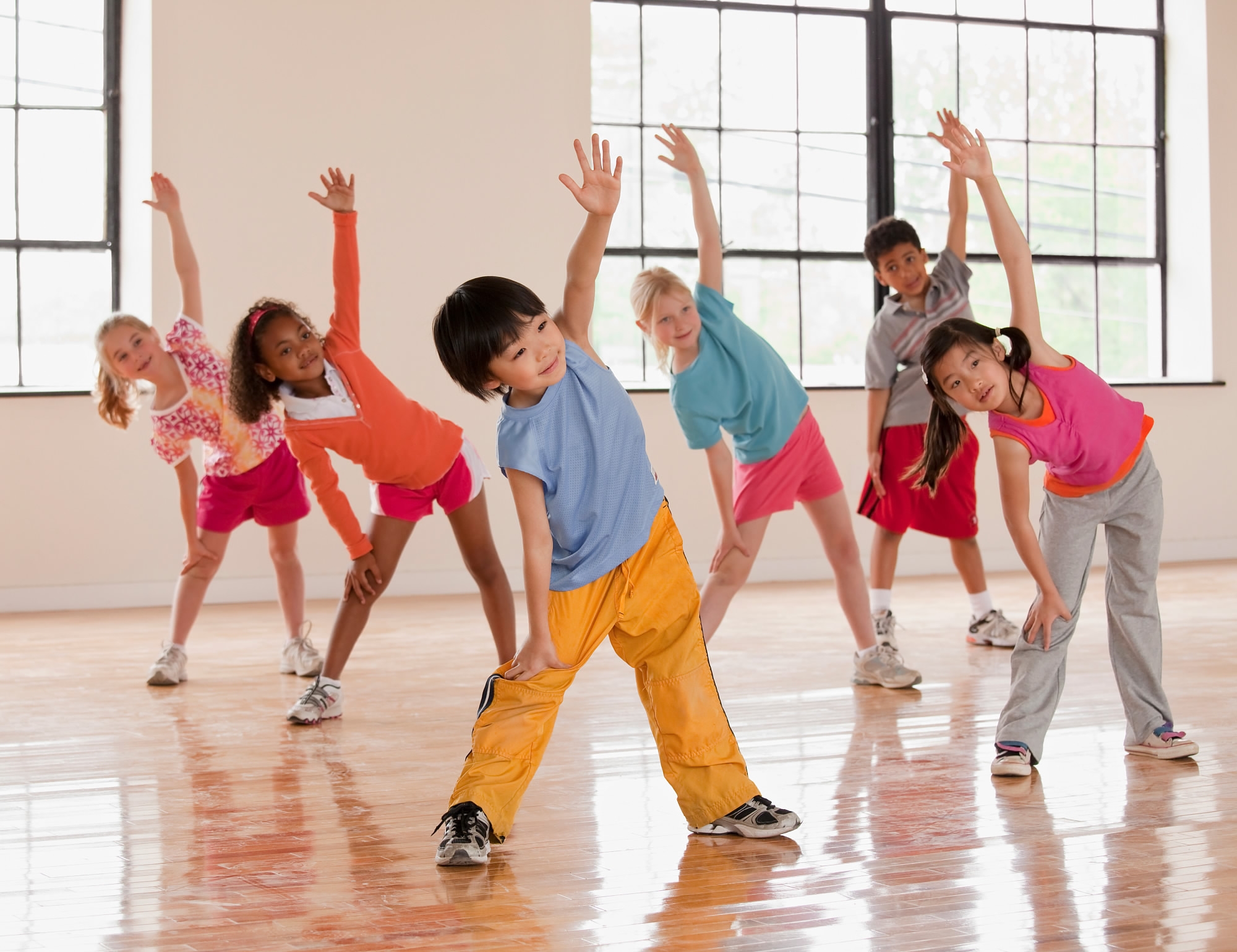
While the US federal government recommends at least 60 minutes per day of moderate to vigorous physical activity, the study shows that more than one adolescent in five reported no physical education at all. Nearly 40 percent of the students in the 459-person sample, whose ages ranged from 12 to 15, were obese or overweight, and only 26.8 percent met federal guidelines.
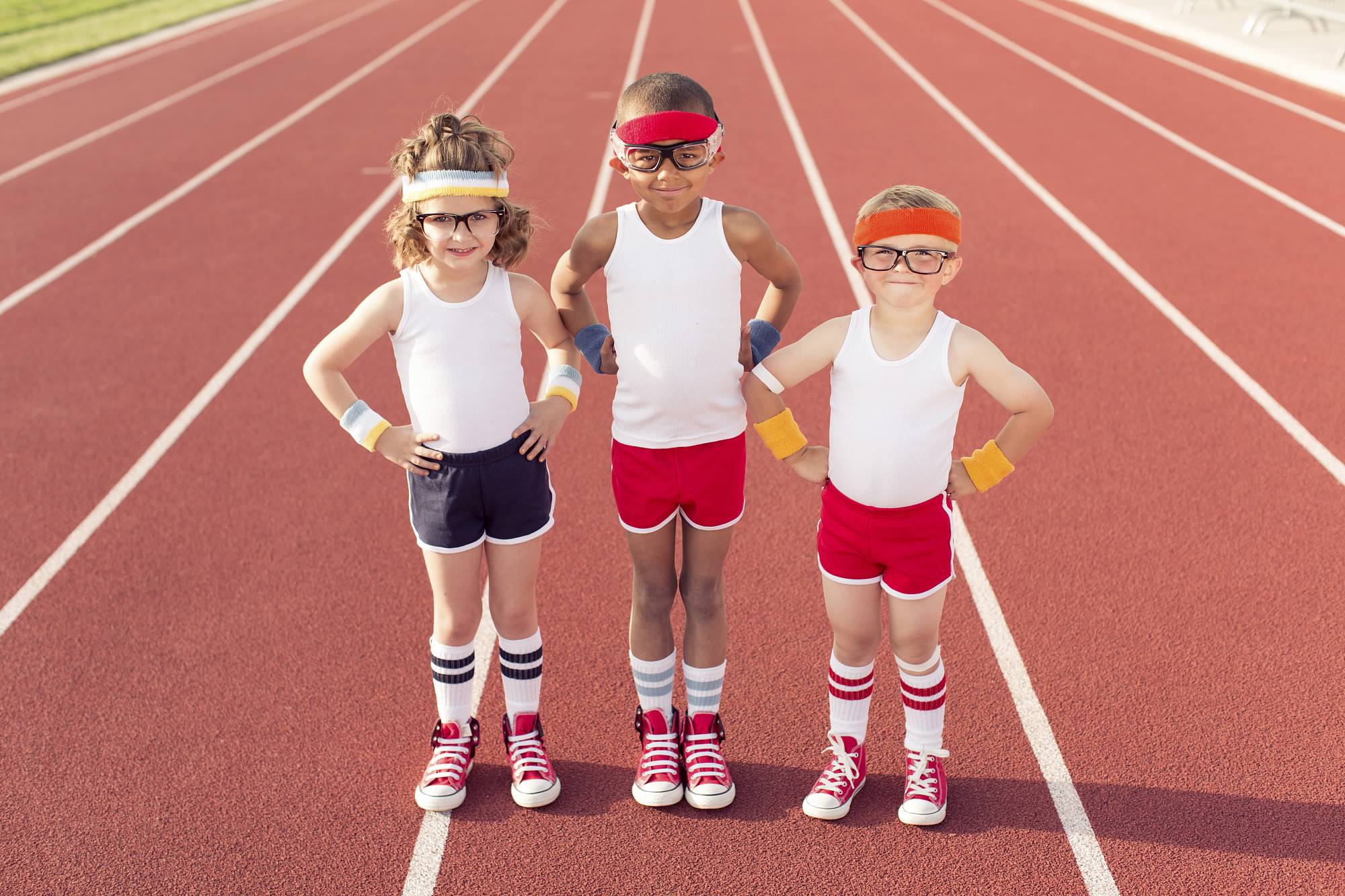
"In the federal Every Student Succeeds Act, physical education is a core subject, on par with language, math and science. Its status was elevated for a reason," said study co-author Brad Cardinal, a professor of the Oregon State University School of Biological and Population Health Sciences. "If you're physically active, you're going to be healthier and stronger and have fewer behavioral problems, and your cognitive function is going to be better."
VCG Photo
Like physical education, participation in sports also correlated with more accurate student perceptions of the amount of physical activity necessary for good health, as well as better performance on a variety of muscular fitness-related tests.
China’s State Council released a paper in 2016 that said by 2020, schools’ physical education conditions should reach national levels, and students’ sports lessons and exercise time can be fully guaranteed, it said.
According to China Daily, China’s Ministry of Education has “introduced a number of measures to enhance the role of PE in the nation's schools.”
The measures, announced in 2014, include “giving the PE test extra weight in the overall scoring system for the high school entrance exam, and taking PE development into account when assessing schools.”
(Source: Xinhua)
Copyright © 2017
SHARE
- EXPLORE
- MORE
FOLLOW US