
Politics
18:30, 16-Feb-2017
Israel-Palestine two-state solution in the balance if Trump retreats
Updated
10:47, 28-Jun-2018
 []
[]
Share







Copied
Always near the top of the UN chief’s list of issues to resolve, the Israeli-Palestinian conflict has long been regarded as one of the main triggers for instability in the Middle East. As concern grows over the direction of the conflict, Secretary-General Antonio Guterres has released a stern warning in defense of the “two-state solution”.
"There is no alternative solution for the situation between the Palestinians and Israelis, other than the solution of establishing two states,” said the UN top official during a visit to Cairo. “We should do all that can be done to maintain this."
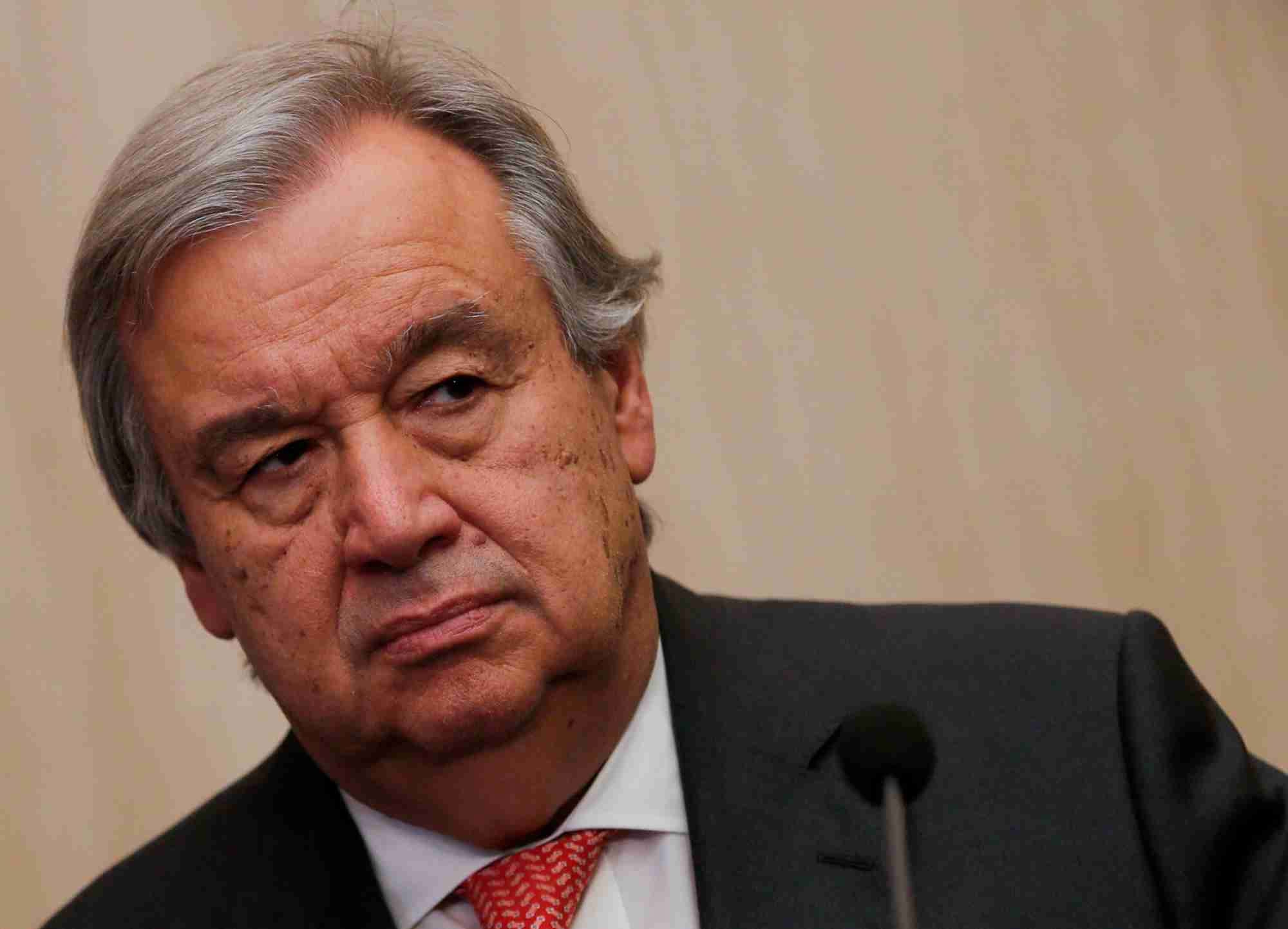
UN Secretary-General Antonio Guterres attends a news conference in Cairo, Egypt, February 15, 2017. /CFP Photo
UN Secretary-General Antonio Guterres attends a news conference in Cairo, Egypt, February 15, 2017. /CFP Photo
But the UN’s insistence that there is no plan B for the Israel-Palestinian conflict does not seem to resonate with the US, Israel’s most important ally, as shown by President Donald Trump’s comments during a meeting with visiting Israeli Prime Minister Benjamin Netanyahu. Trump looked to shed doubt on the more than two-decade long US policy regarding a two-state solution to the Israel-Palestinian issue.
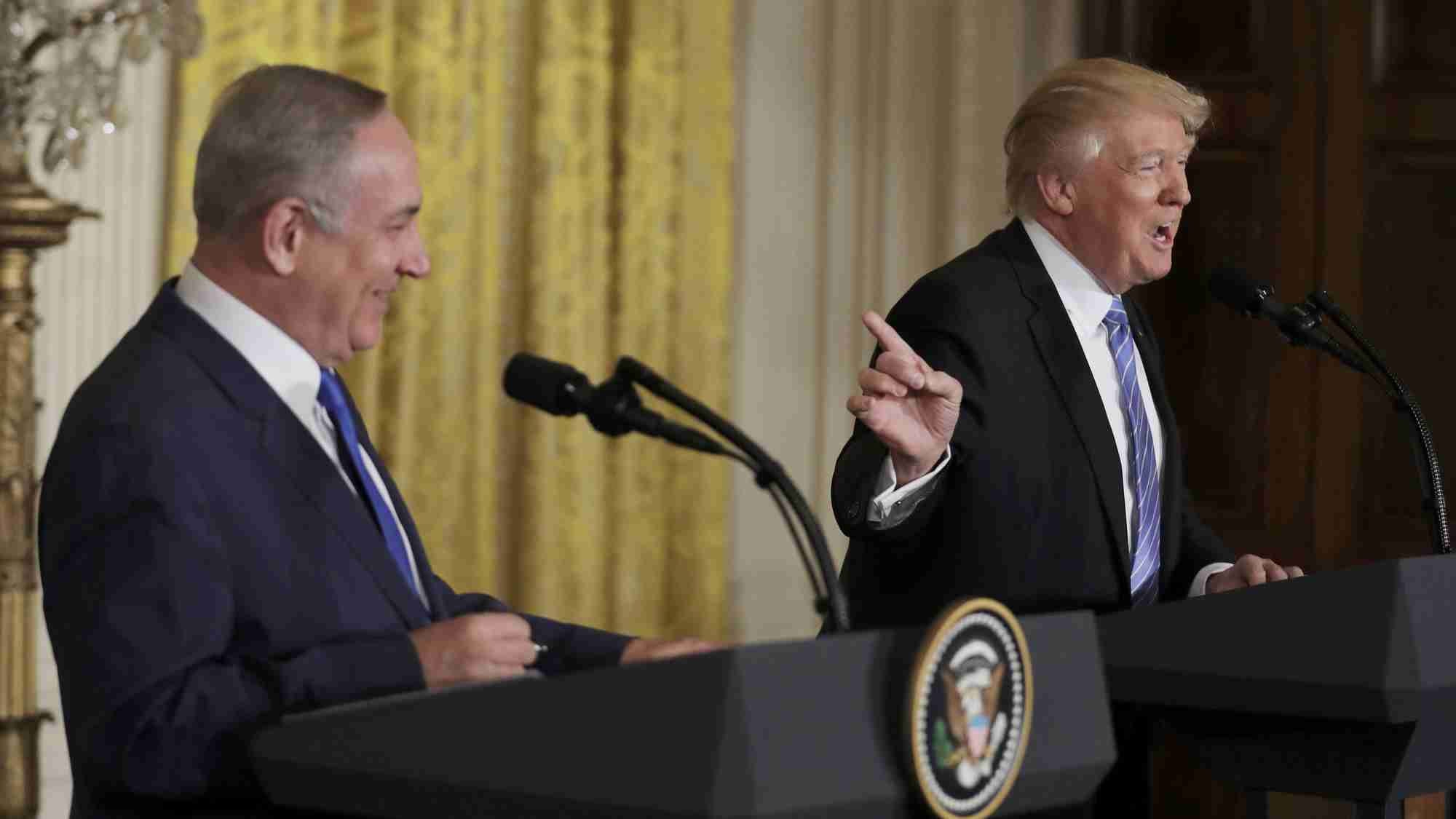
US President Donald Trump (R) with Israeli Prime Minister Benjamin Netanyahu at a joint news conference at the White House in Washington, U.S., February 15, 2017. /CFP Photo
US President Donald Trump (R) with Israeli Prime Minister Benjamin Netanyahu at a joint news conference at the White House in Washington, U.S., February 15, 2017. /CFP Photo
"I'm looking at two states and one state, and I like the one that both parties like...” Trump said, adding that he can live with either one. Trump’s apparent openness to either a one-state or two-state solution immediately led to concern that the US was signaling a retreat from a stance held by previous administrations since the signing of the Oslo accords in the early 1990s.
Before the Trump-Netanyahu meeting, Palestinians had warned the White House not to abandon their goal of an independent state.
Two states or one state?
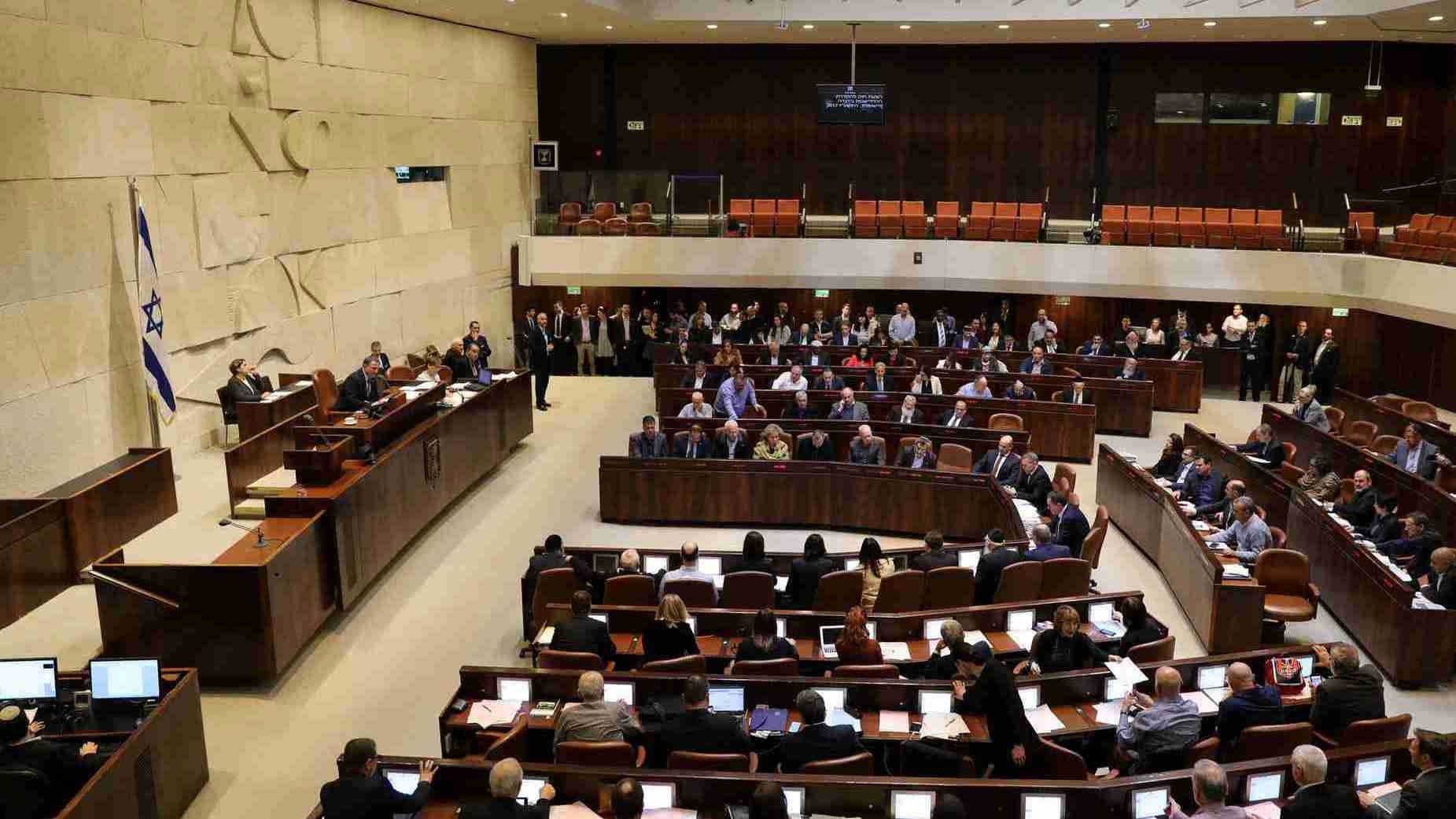
Israeli lawmakers at the Knesset, in Jerusalem February 6, 2017. /CFP Photo
Israeli lawmakers at the Knesset, in Jerusalem February 6, 2017. /CFP Photo
The aim of the two-state solution is to establish an independent Palestinian state that exists side-by-side with Israel — two states for two peoples. This was the ultimate goal that previous US administrations had pushed for, and has been widely regarded as the foundation stone for the Middle East peace process for decades.
The international community, including the US, Israel, Palestine and the UN, had previously reached a consensus in support of the two-state solution, with talks centered on this core principle, although the last US-brokered round of negotiations broke down in 2014.
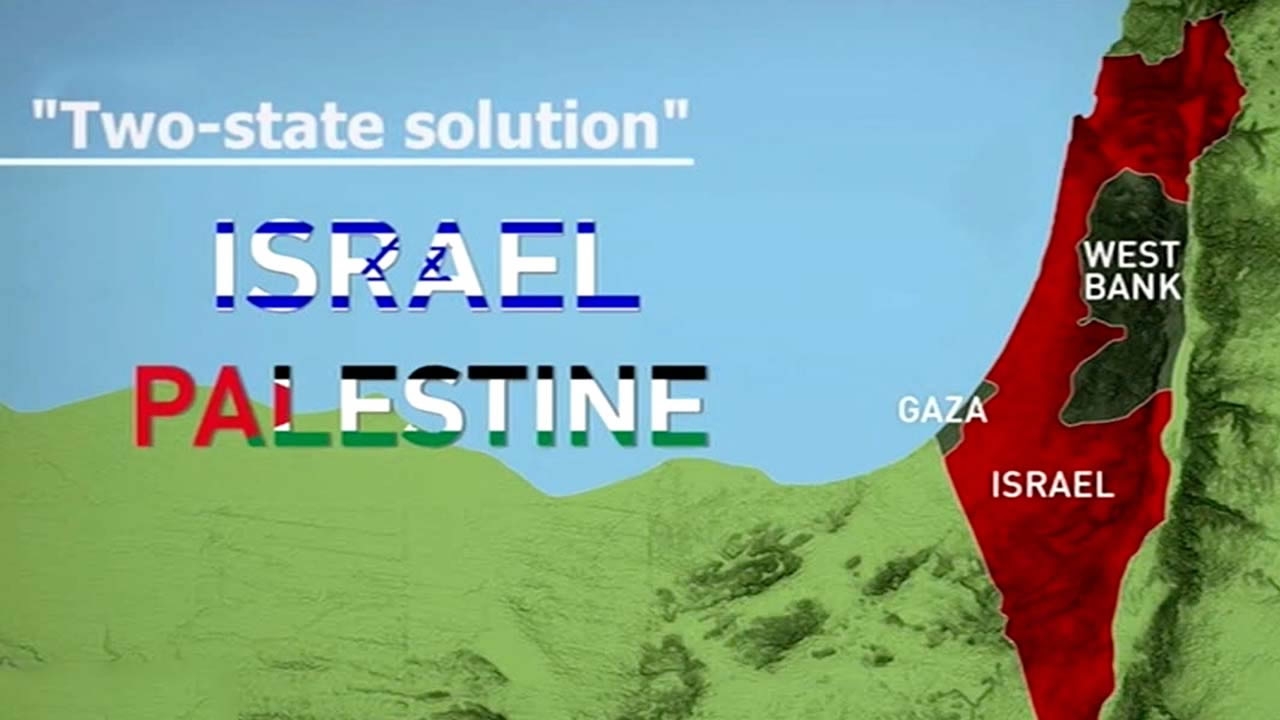
One of the main stumbling blocks to peace and stability has been how to divide territory between the Israelis and the Palestinians, a challenge complicated over the last few decades by the Israeli occupation of the West Bank, the partial Israeli blockade of Gaza and years of violence between the two peoples.
As peace talks continue to falter on establishing an independent Palestinian nation, the one-state solution has emerged, with calls for Israel to entirely annex the West Bank and grant some form of citizenship to Palestinians. The region was captured by Israel from Jordan in the 1967 Six-Day War. A one-state solution is also largely unpopular among both Israelis and Palestinians, receiving much objection from both sides.
The goal of Palestinians
For Palestinians, the ultimate goal is a Palestinian state, made up of the West Bank, East Jerusalem and the Gaza Strip, territory occupied by Israel since 1967. Palestinian leaders have earmarked East Jerusalem as the capital of their future state.
Saeb Erekat, former peace negotiator and current secretary general of the Palestine Liberation Organization (PLO), called on the global community to stand by the principle of a Palestinian state based on pre-1967 lines, in response to Trump’s apparent step back from firmly backing a two-state solution.
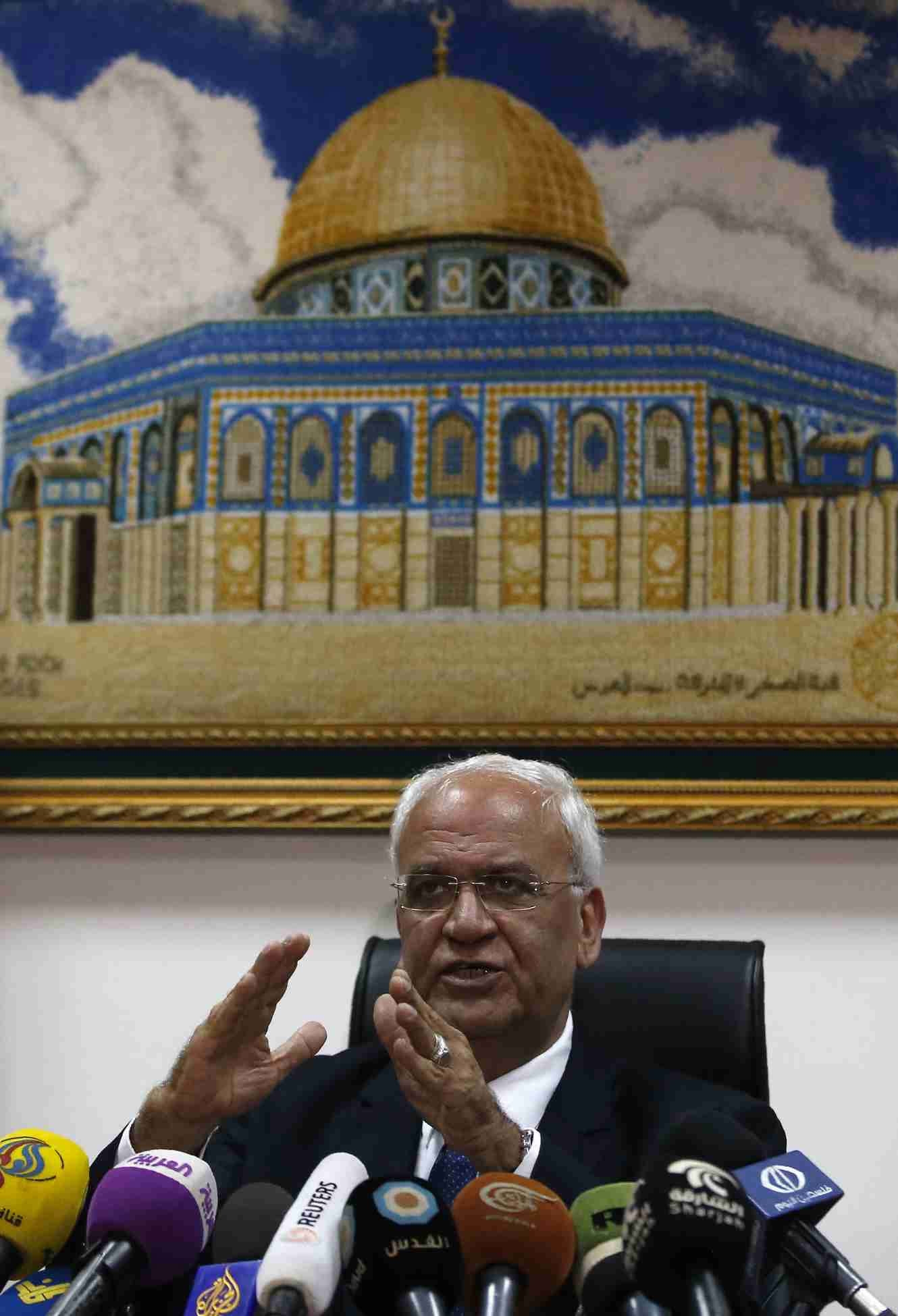
Saeb Erekat, secretary general of the PLO, speaks during a press conference in the West Bank city of Jericho on February 15, 2017. /CFP Photo
Saeb Erekat, secretary general of the PLO, speaks during a press conference in the West Bank city of Jericho on February 15, 2017. /CFP Photo
“The only alternative to two sovereign and democratic states on the 1967 border is one single secular and democratic state with equal rights for everyone, Christians, Muslims, and Jews, on all of historic Palestine," Erekat said.
However, despite a need for unity among the Palestinians, different factions are appearing which could also threaten the prospects of a two-state solution. Two political bodies now exist in competition with each other for the Palestinian leadership, with one based in Gaza and the other in the West Bank. The Gaza-based body does not even recognize Israel, with the Gaza Strip often the site of attacks on Israelis.
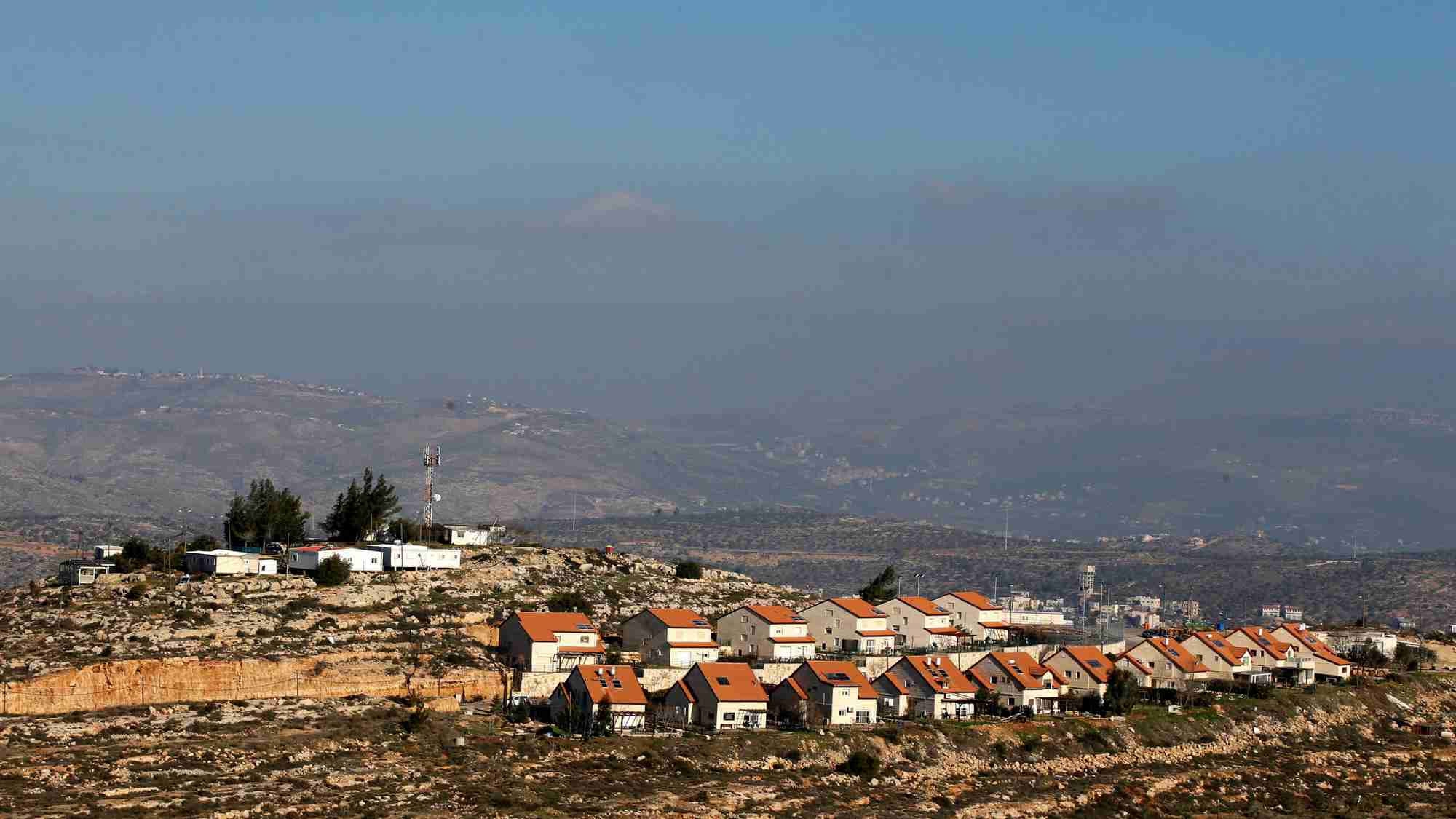
Israeli settlements in the outpost of Palgey Maim, in the occupied West Bank, February 6, 2017. /CFP Photo
Israeli settlements in the outpost of Palgey Maim, in the occupied West Bank, February 6, 2017. /CFP Photo
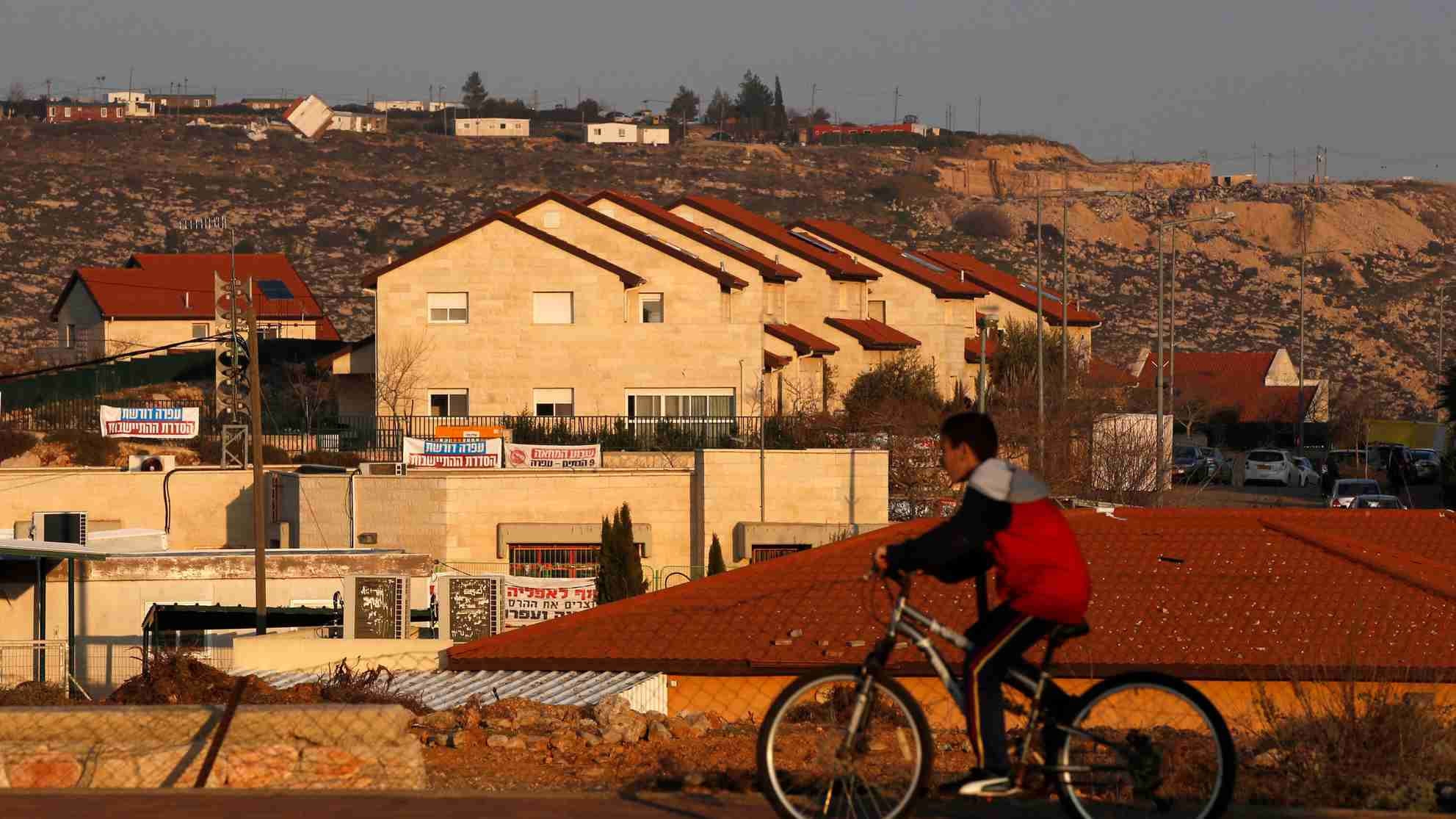
While the chances of a Palestinian state appear to be growing smaller, Israel’s settlement expansion into the West Bank is speeding up. Earlier this month, the Israeli parliament, the Knesset, adopted a bill to legalize 4,000 homes in unauthorized outposts across the occupied territory.
The Obama administration was critical of Israel's continuous expansion of its settlements on occupied territory, which it considered as a major point of contention between the Israelis and Palestinians as well as an obstacle to peace. Talking to Netanyahu on Wednesday, Trump’s only comments that could offer a sliver of hope to Palestinians were his calls for Israel to “hold back” on building Jewish settlements in the West Bank, at least for “a little bit”.
449km