POLITICS


Economic recovery becomes focus of South Korean presidential race
2017-05-08 21:16 GMT+8






Editor
Li Xiang
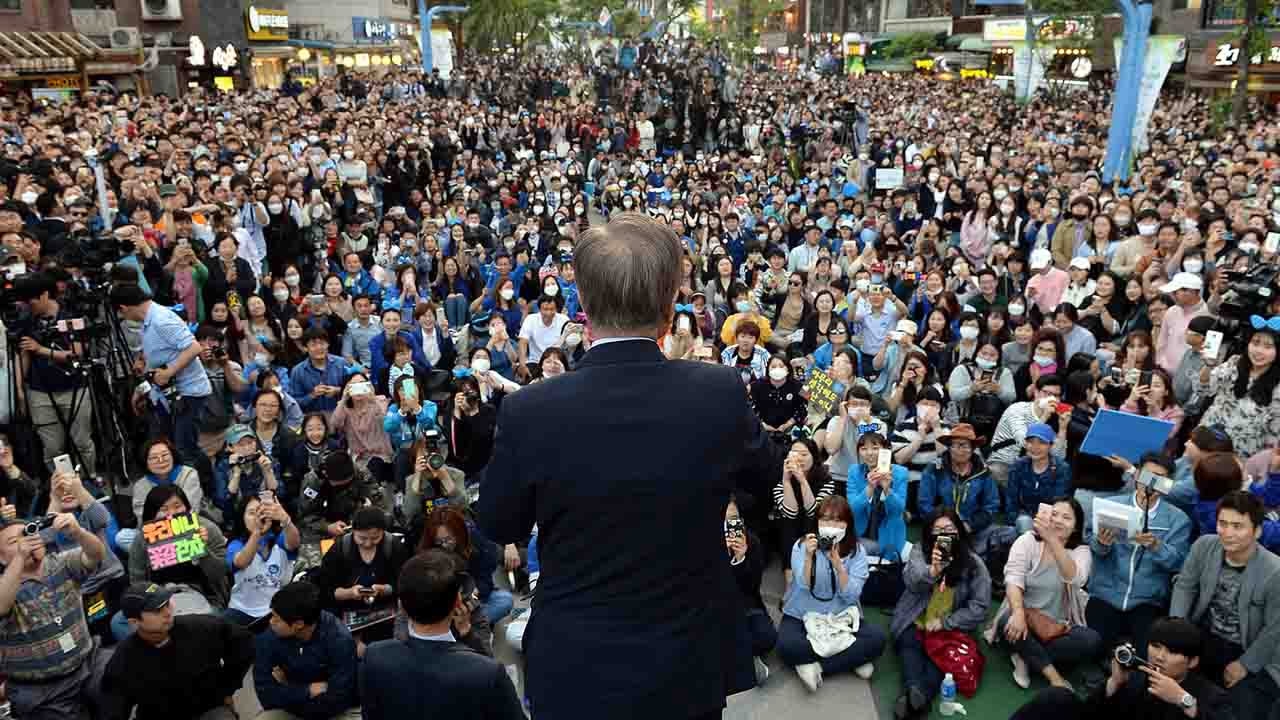
South Korean presidential candidates on Monday went all out to seek supporters ahead of Tuesday's election. Front-runner Moon Jae-in of the Democratic Party began the day in Seoul before making a trip to the second-largest city, Busan.
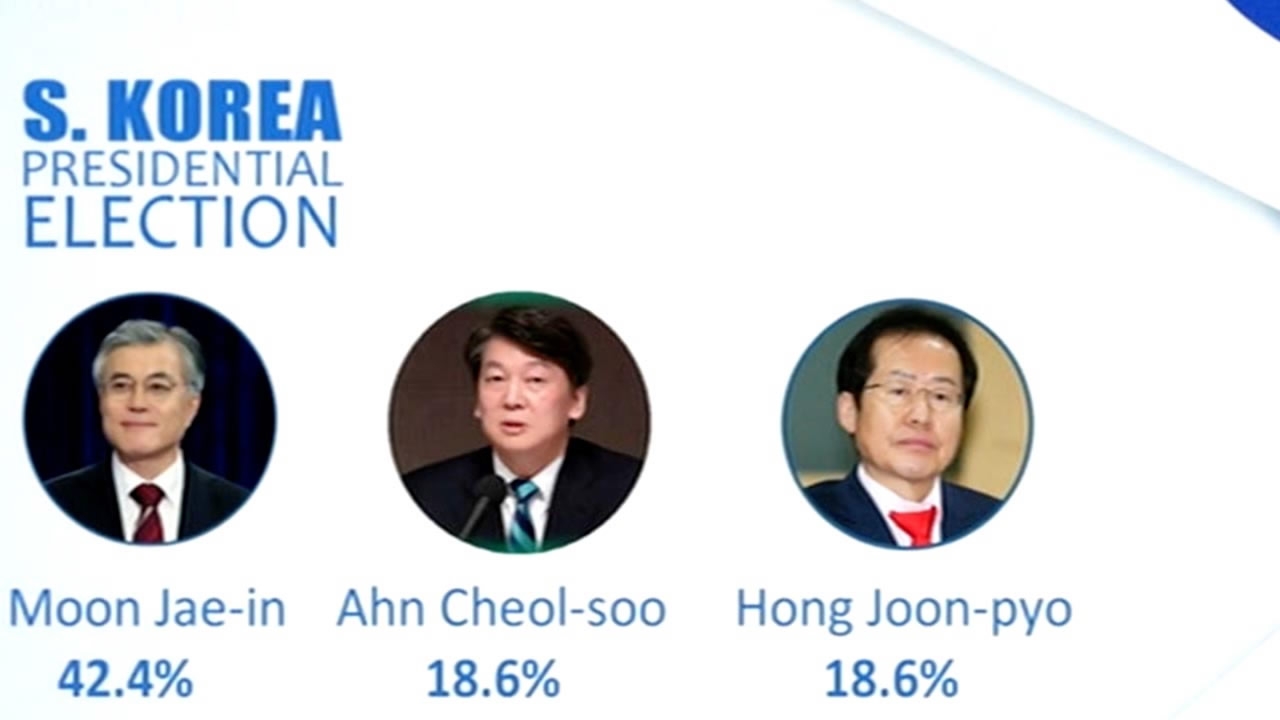
The latest polls show that Moon is favorite to win by a wide margin. Gallup Korea reports that Moon's approval rating is currently just over 42 percent, more than double the level of support for Hong Joon-pyo and Ahn Cheol-soo, who are in joint second place.
At least three of the five candidates claimed sure victory in their speeches. Official campaigning is due to stop by midnight tonight.
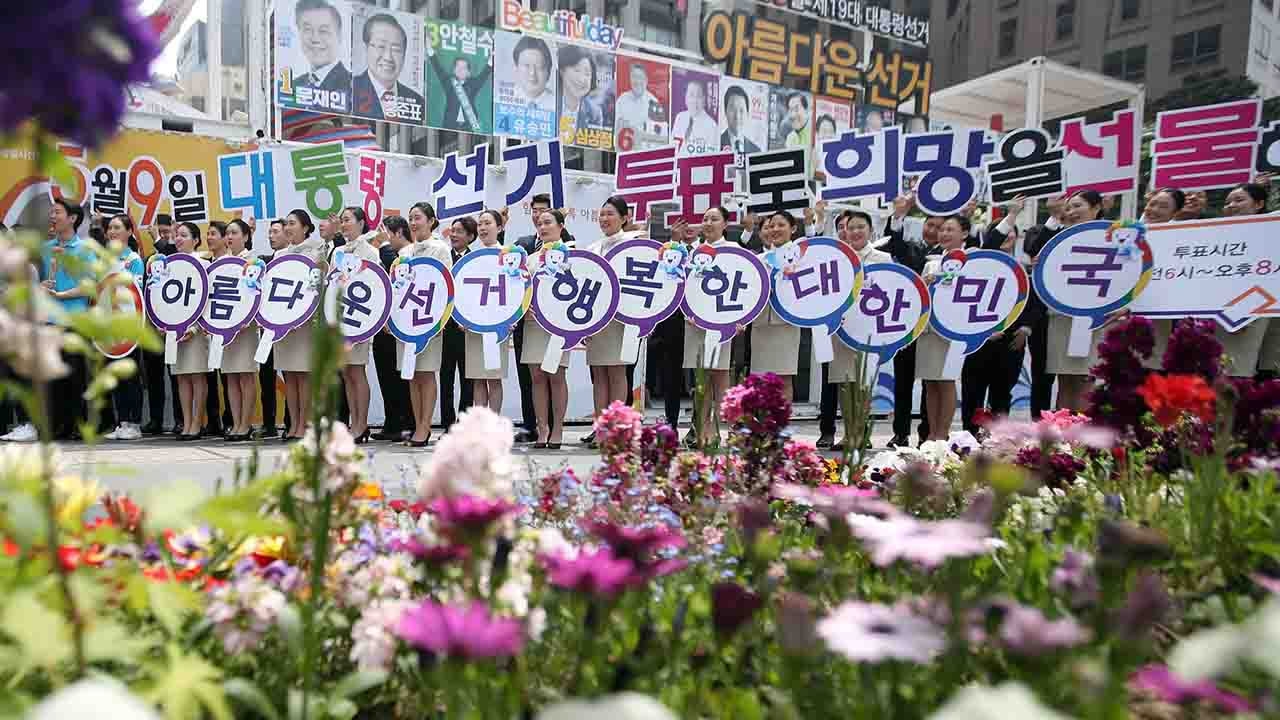
Tuesday's vote may see the highest turnout for a presidential election in three decades, as over 86 percent of 1,500 respondents surveyed by the Elections Commission said they will definitely vote.
With South Korea's economic growth hovering around two percent for the past four years, both front-runners have spelt out their recovery plans. Their policies focus not just on boosting growth, but on dealing with the widening inequality gap.
CGTN Screenshot
Inequality can be found in the difference in payments between employees of big corporations like Samsung and LG and those of small to medium companies. Moreover, women tend to struggle to secure full time work, but dominate casual positions that pay much less.
The Organization of Economic Cooperation and Development says social spending in South Korea is less than half of that in other advanced economies.
CGTN Screenshot
“It’s all fed into a growing sense of inequality here in South Korea that the two leading presidential candidates have promised to tackle head on,” said CGTN’s Jack Barton.
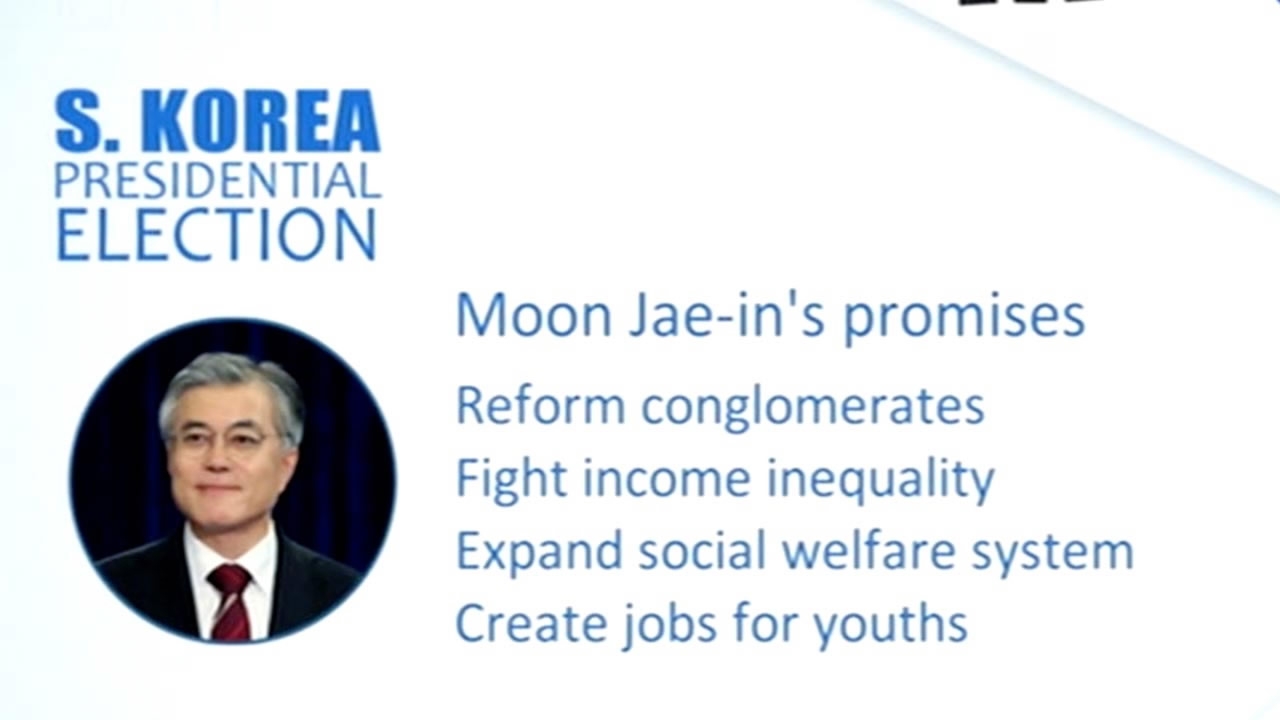
Both Moon Jae-in and Ahn Cheol-soo are promising to boost welfare. Ahn has pledged to cut red tape and offer government support to small and medium sized businesses. Moon is promising to create thousands of full-time, well-paid jobs.
VCG Photo
However, such promises do not satisfy everyone. Professor Kim Bo-won from Kaist Business School raised his concerns, saying “what is very troubling... is they never talk about the resources we need in order to fund those welfare programs. Sooner or later if Koreans want to have that much welfare benefit then we should be able to pay for that. In other words the taxes should be increased, but the candidates never mention about that.”
Lack of details has been a widespread criticism aimed at all candidates, scrambling to campaign in a short and unexpected snap election caused by the impeachment of Park Geun-hye.
Both parties leading in the polls are new, set up primarily to reject the old mainstream. In truth most voters currently seem less interested in their policy details, than the pledges that both leading candidates will not resemble the leadership or hardline policies of former president Park.
Copyright © 2017
SHARE
- EXPLORE
- MORE
FOLLOW US