SOCIAL


China to establish first ever national park for pandas
2017-03-03 11:46:50 GMT+8






Editor
Sun Xiao
China is planning to build its first ever national park for pandas in the southwestern region of the country, on lands where groups of wild pandas have been located.
The park will cover an area of 27,134 square meters, extending through the provinces of Sichuan, Gansu and Shaanxi, according to the Hua Shang Daily on Thursday.
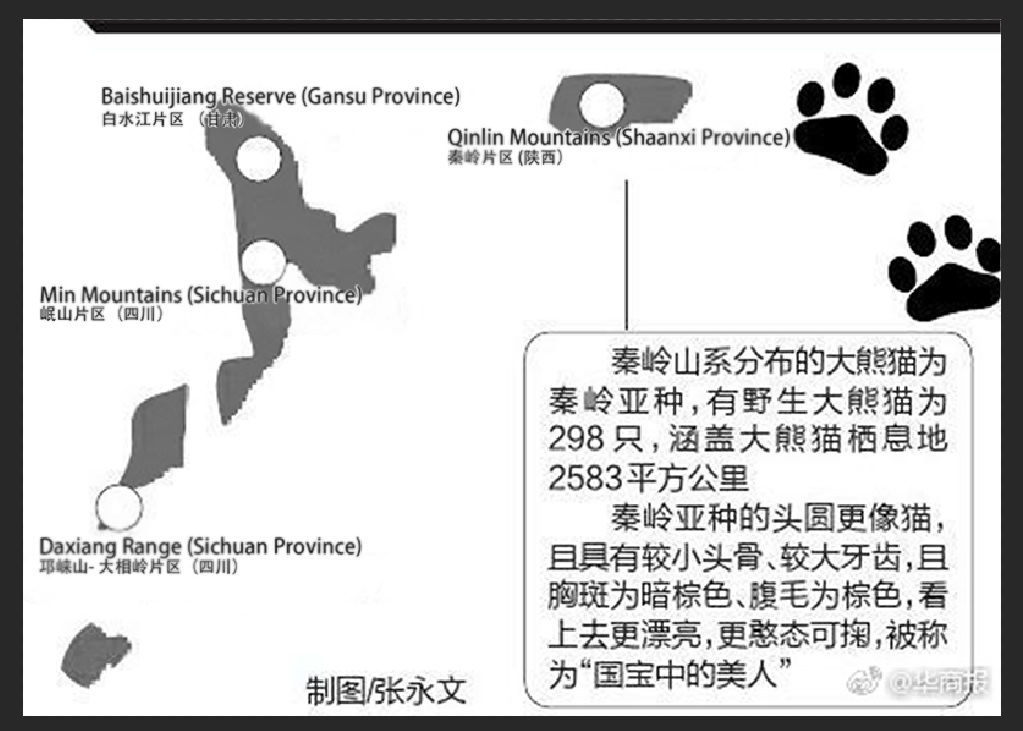
Photo from Hua Shang Daily's Weibo account showing a map of the planned panda park.
Sichuan Province, known as the home of giant pandas, initiated the idea and is sparing 20,177 square meters stretching through the Min Mountains and the Daxiang Range for the project. Meanwhile, Shaanxi is converting 4,400 square meters of the Qinling Mountains and Gansu is according 2,571 square meters of the Baishuijiang Reserve.
According to the Shaanxi Forestry Department, a total of 33 groups of wild pandas have been spotted in the three provinces, noting that they are being monitored under the country’s forestry system. The authority added that by joining visions and standardizing management techniques, the extinction risk would decrease.
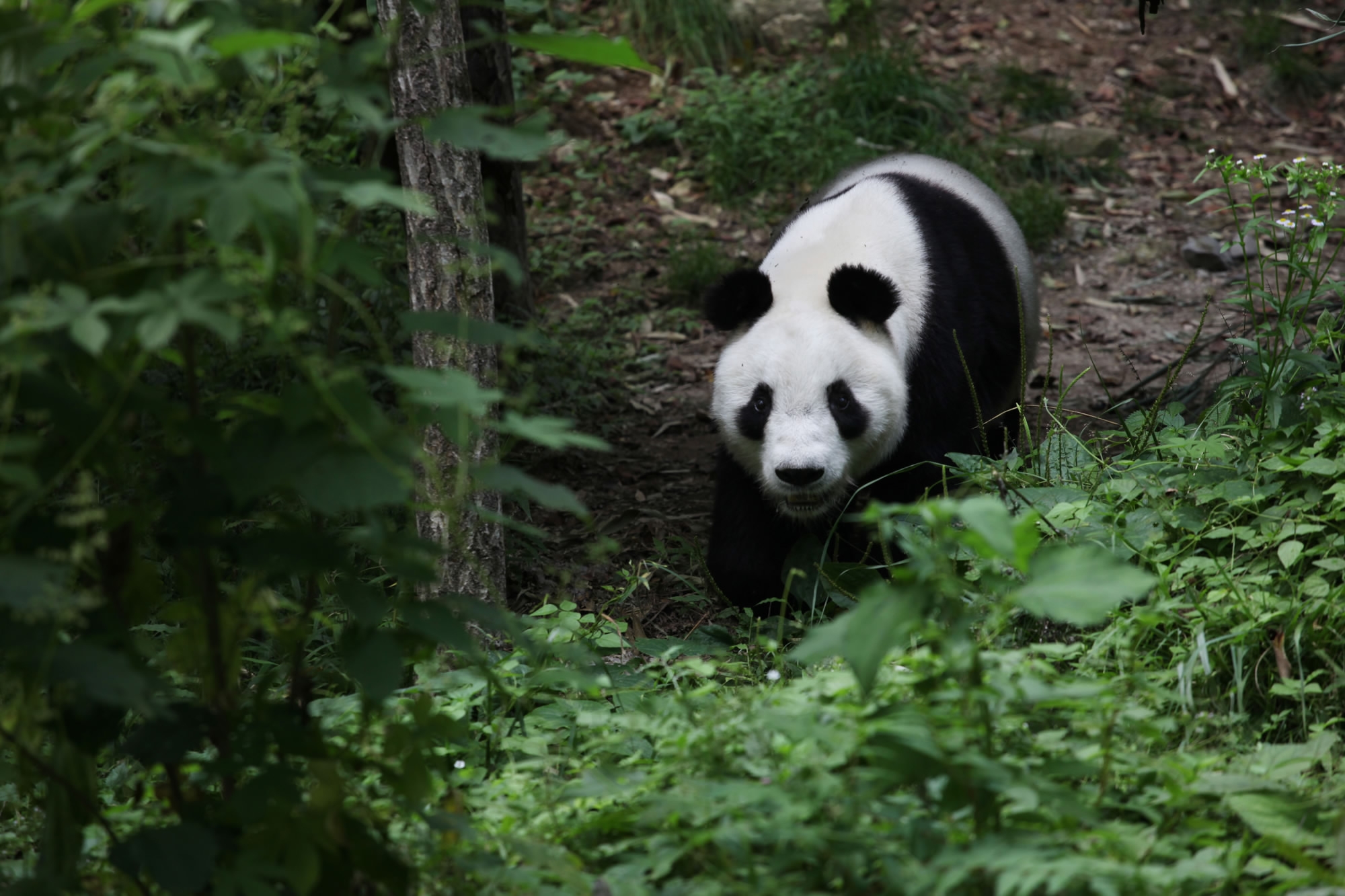
A panda in Qinling Mountains /VCG Photo
The decision on site selection has been made in respect for the wild pandas’ natural habitat and geographic distribution. The Qinling Mountains are home to the highest number of giant pandas – a total of 300.
Upon completion, the park would not only be a tourist attraction for visitors, but also a conservation area for the animals. Currently, there are no panda parks in the country, however there are scientific centers where pandas are kept in captivity. For over three decades, the China Conservation and Research Center for Giant Pandas in Wolong, Dujiangyan and Ya’an Bifeng Gorge, and Chengdu Research Base of Giant Panda Breeding have been sparing no efforts in protecting the vulnerable breed and increasing their numbers.
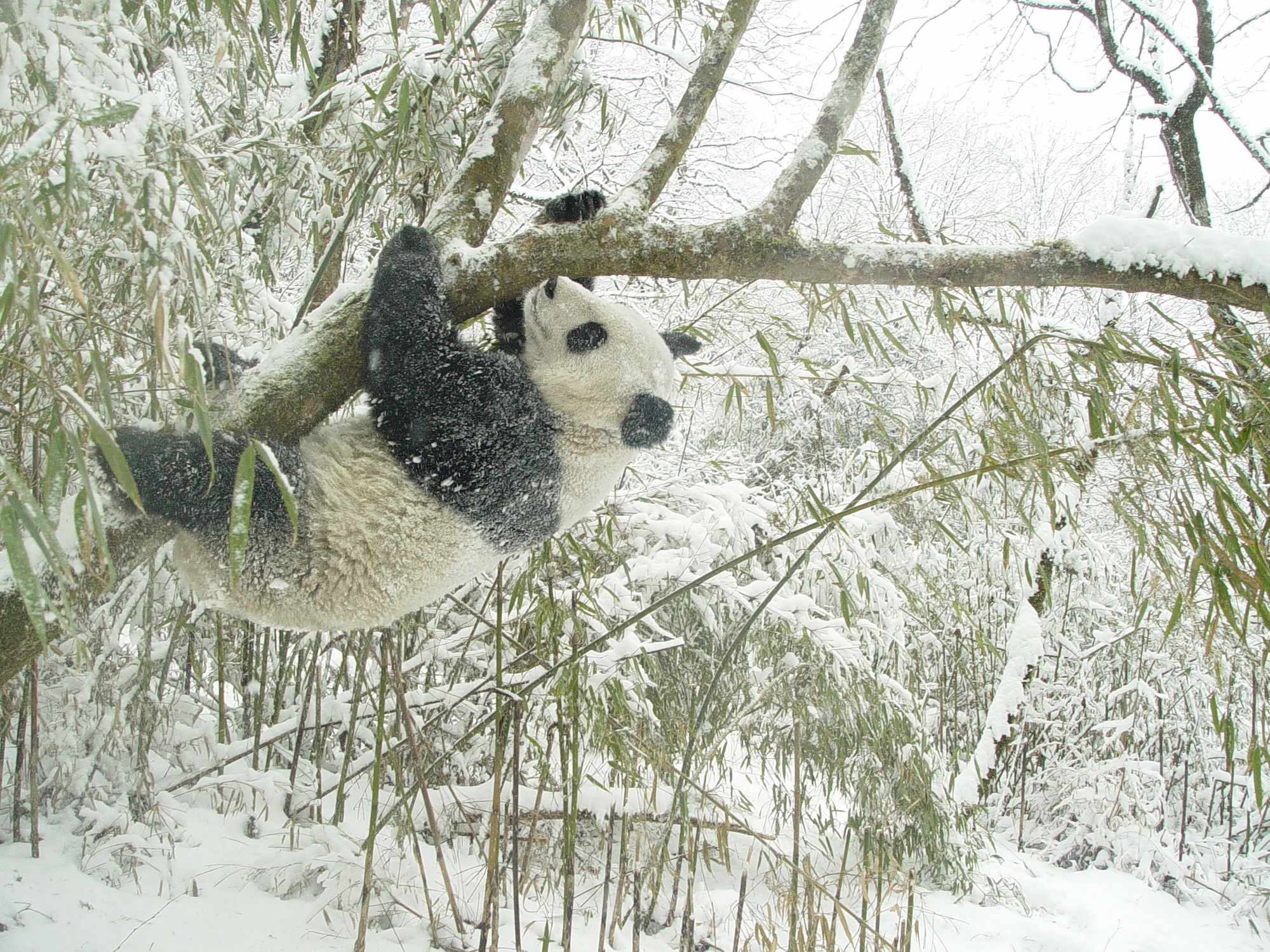
A panda in the Wolong Base of China Conservation and Research Center for Giant Pandas. /VCG Photo
The specific date of completion is yet to be announced, but the park is expected to help unify the management efforts to preserve giant pandas and protect the ecological system of the animals in the wild.
There were 1,864 giant pandas in the wild in China, according to the World Wildlife Fund (WWF) census in 2014 – up 16.8 percent from the third census in 2004. Some 375 pandas were counted in captivity.
Copyright © 2017
SHARE
- EXPLORE
- MORE
FOLLOW US