
China
23:04, 15-Jun-2017
World Blood Donor Day: for lives
 []
[]
Share







Copied
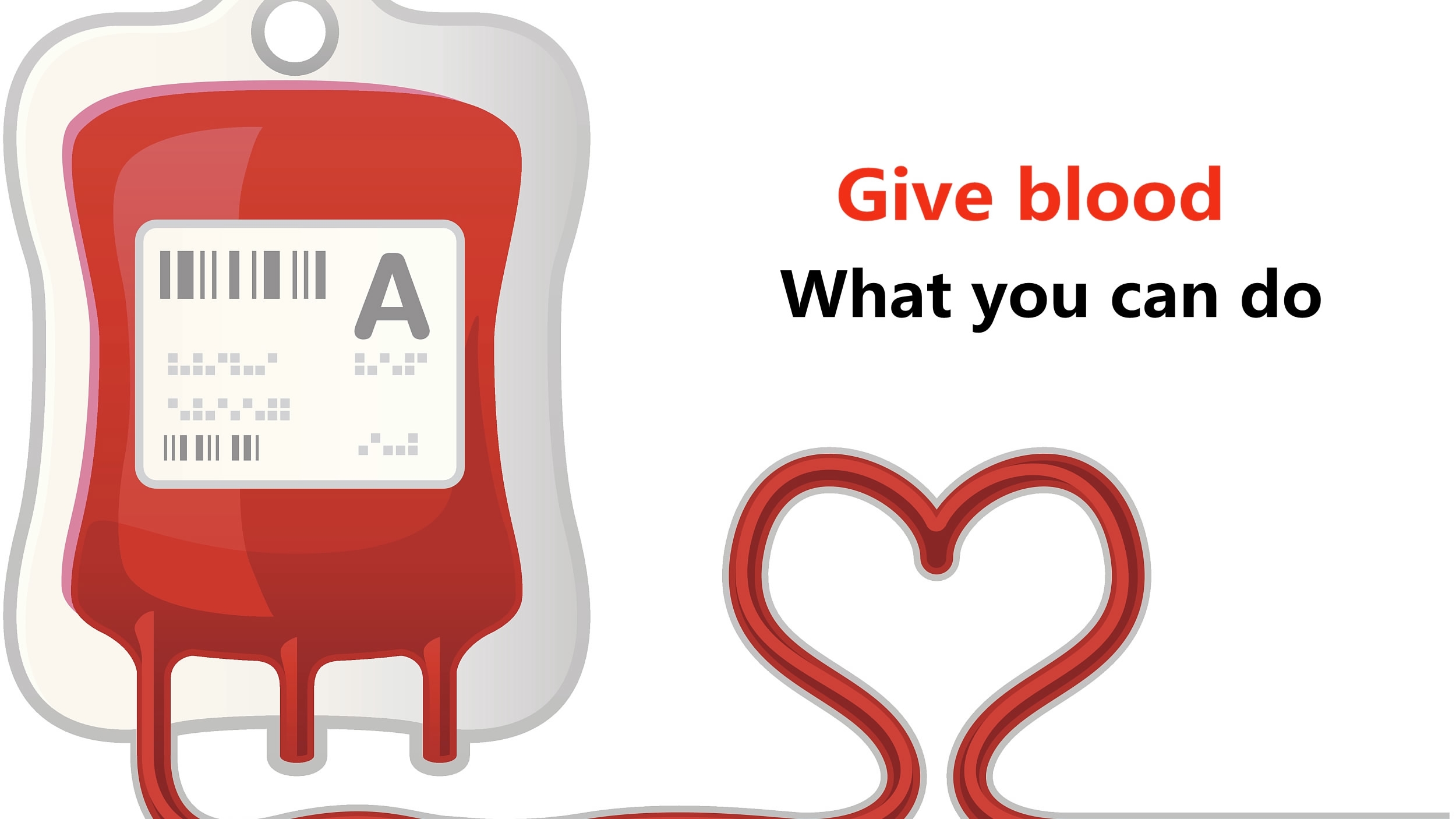
World Blood Donor Day is marked on June 14 every year to honor those who make more than 112 million blood donations every year.
The theme for this year is "What can you do?" with a secondary appeal: Give blood, give now, give often.
The World Health Organization (WHO) emphasizes the importance of blood donation as there are currently millions of people around the world in life-threatening situations.

"What can you do" campaign for the World Blood Donor Day 2017. /Screeshots of wht.int Photo
"What can you do" campaign for the World Blood Donor Day 2017. /Screeshots of wht.int Photo
Availability of safe blood
Approximately 30 percent of the blood donations take place in Europe, accounting for around one-tenth of the global population. Sub-Saharan Africa on the other hand, which makes up a larger share of the world's population, contributes to less than five percent of the total blood supplies, according to a report in The Economist.
Blood transfusion can save a life but many patients requiring this service do not have timely access to safe blood. Providing safe and adequate blood should be an integral part of every country’s national healthcare policy and infrastructure, the WHO said.
The WHO has called for blood collection, testing, processing, storage and distribution be controlled at national level through effective organization and integrated supply networks.
Global efforts
Different countries around the world have responded in different ways.
In the UK, the National Health Service (NHS) announced a new initiative whereby blood donors will be informed when their blood goes to a hospital to save or improve a patient's life, highlighting how often donated blood is used.
On May 28, a Blood Safety Information System (BSIS) launched in Ghana while in Israel, blood from homosexuals and Ethiopian immigrants has been cleared for official use.
China's contribution to the cause
China has around 14 million regular blood donors with a donation rate of 10 percent compared to 33.1 percent in developed countries and 11.7 percent in middle-income countries in 2016.
Beijing, one of the most generous blood donation cities in the country, boasts around 5.6 million donors.
351,000 donors in Shanghai gave their blood last year for free, a 4.6-percent increase over 2015.
China has also made progress in blood testing technology and Deng Jiecheng, director of the vitro diagnostic department of Roche Diagnostics China, says safety is a key priority.
"Our work aims to achieve a comprehensive automated, standardized management of blood sample testing workflows to improve the quality and efficiency of blood screening, reduce errors and potential laboratory contamination and ensure the safety of clinical blood," he said.