BUSINESS


Indonesian president promises new sea routes in Sea Toll Road program
2017-05-16 15:00 GMT+8






Editor
Ji Xin
Indonesian President Joko Widodo has promised to add seven new routes to his Sea Toll Road Program, which aims to increase maritime connectivity within the country while decreasing the costs of shipping.
With nearly eight million square kilometers of sea territory, Indonesia is one of the world’s most maritime countries. And Jakarta’s seaport, Tanjung Priok is one of the country’s largest shipping terminals. More than 3,000 containers leave its dock every day. That is where President Widodo’s ambitious Sea Toll Road program could improve trade. The program connects Tanjung Priok with major ports in Maluku and Papua, in the eastern part of Indonesia.
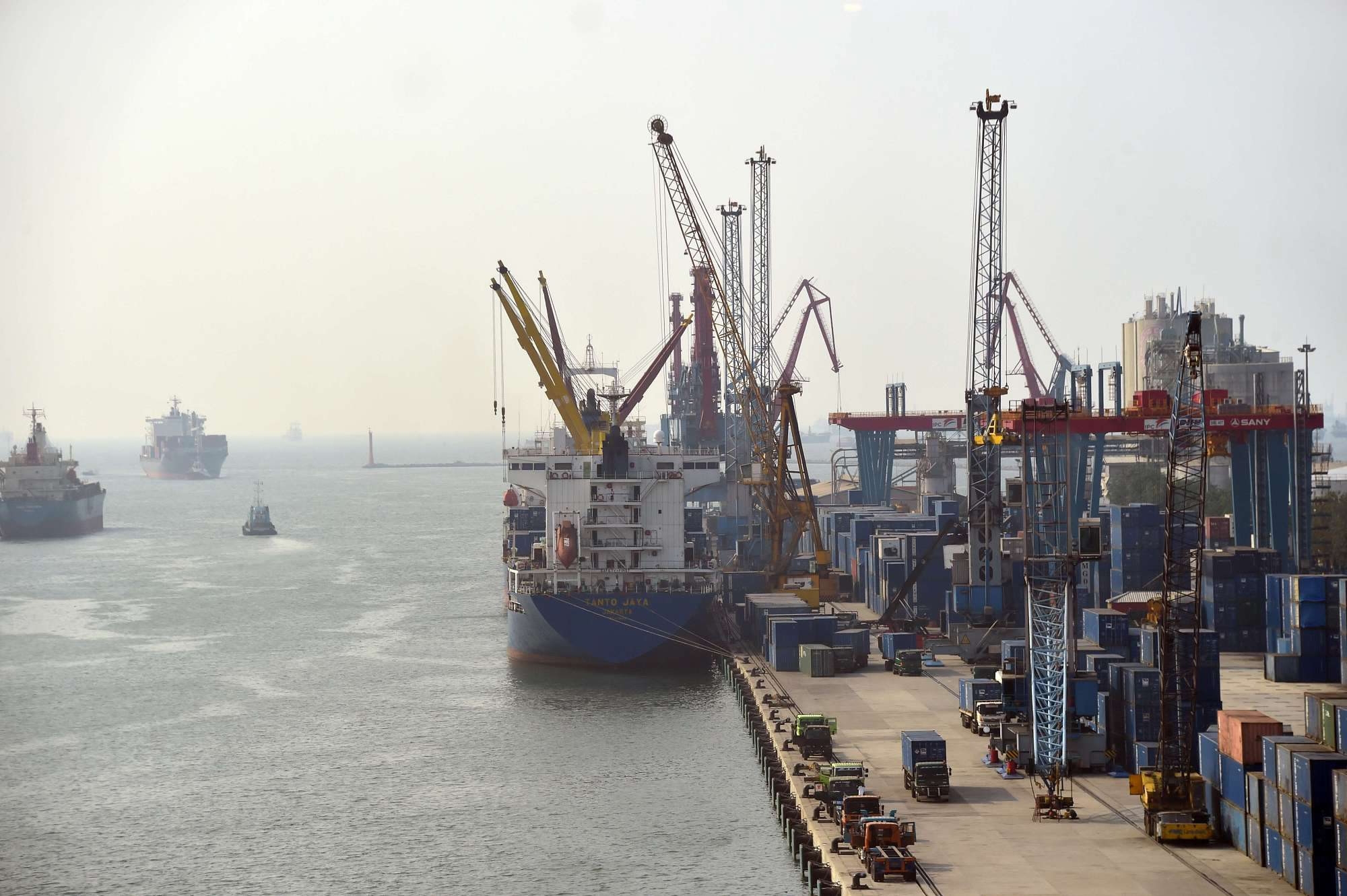
Container ships dock at the Tanjung Priok port, north of Jakarta. /VCG Photo
The idea of connecting islands across the nation is not unique to Indonesia, and Widodo’s program shares a very similar focus to China’s broader Belt and Road Initiative. Both share the common goal of strengthening trade infrastructure and economic connections.
“China and Indonesia have been working very closely together. For example, the cranes and containers found in Tanjung Priok and other shipping terminals are mostly made in China. But the government is still looking to China to further explore Indonesia, especially in the maritime infrastructure sector,” maritime analyst Siswanto Rusdi told CGTN as Beijing held the Belt and Road Forum this week.
Although the Sea Toll Road is much more local than the continent-spanning Belt and Road Initiative, taking inspiration from the initiative has proven to be an effective and efficient way for the smooth distribution of goods across Indonesia, Siswanto added.
Since the Sea Toll Road program was introduced, Widodo said there has been a 30-percent drop in the cost of shipping. It is seen as a way to encourage a more dynamic flow of goods in the region, reducing traffic from the western to the eastern part of Indonesia.
Copyright © 2017
SHARE
- EXPLORE
- MORE
FOLLOW US