BUSINESS


Abu Dhabi summit looks to the future of industrial technology
2017-03-30 21:39 GMT+8
5964km to Beijing






Editor
Jin Zixiong
By CGTN’s Nawied Jabarkhyl
Manufacturing has long been associated with factories, machinery and manual labor, and countries like the United Arab Emirates (UAE) are looking to position themselves at the heart of it. The first Global Manufacturing and Industrialization Summit (GMIS) brings business leaders and policy makers together in Abu Dhabi to discuss the future of industry.
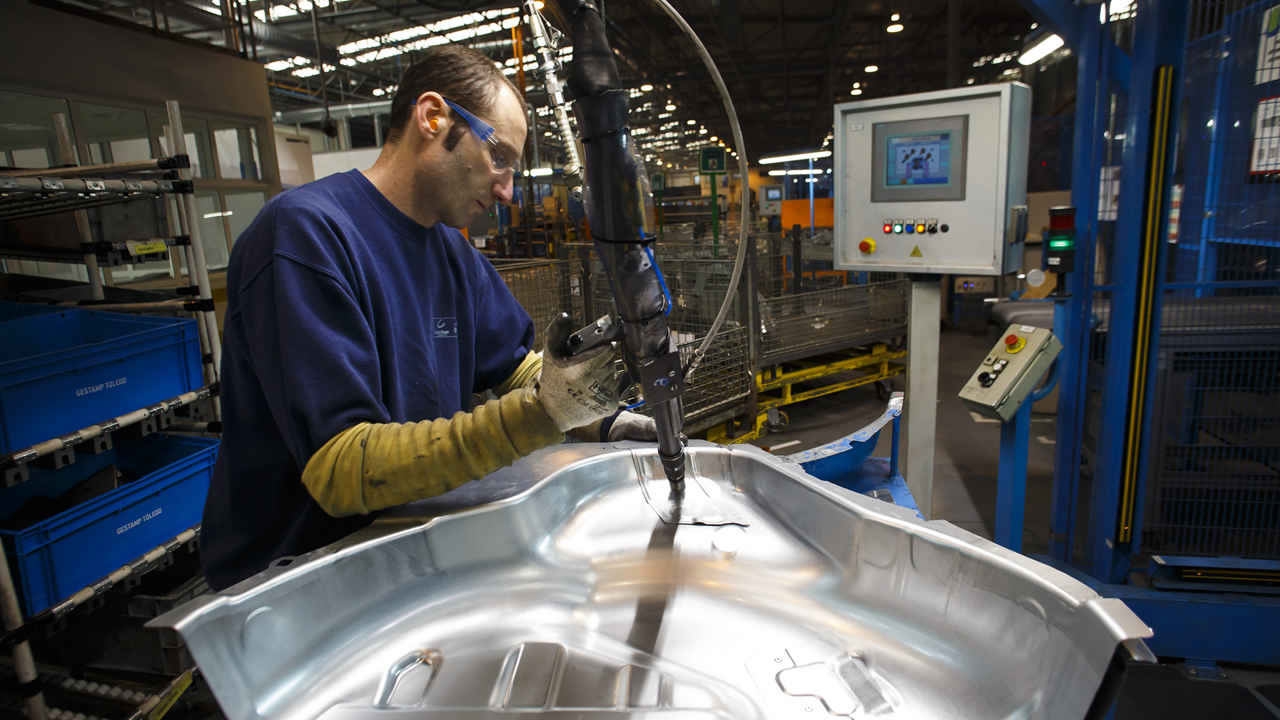
A worker at an auto parts manufacturing plant operated by Gestamp Automocion SA plant in Duenas, Spain, on Monday, March 27, 2017. /CFP Photo
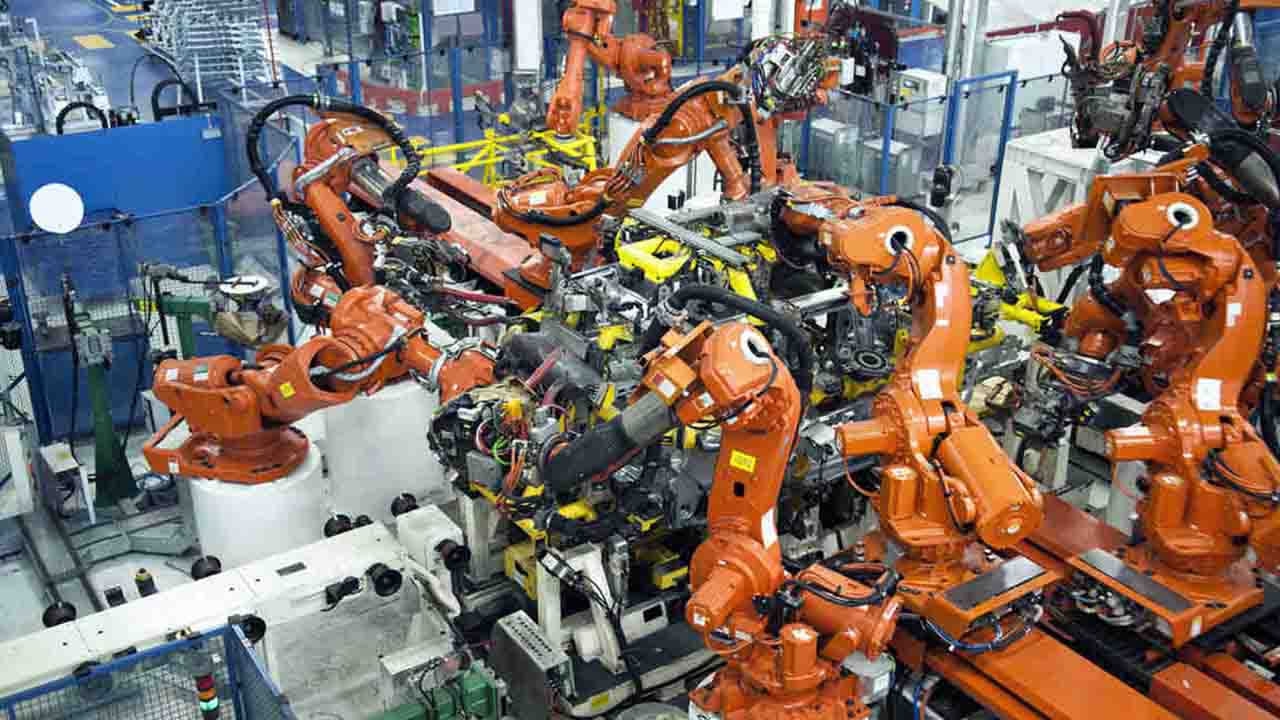
The focus is firmly on future tech, with the UAE’s Minister of Energy, Suhail Al Mazrouei, eyeing robotics as the future of manufacturing.
"I think that’s the future for the world. Because, that’s the trend that we are seeing – the robotics changing the massive machines to smaller, much smaller, much [more] efficient. It’s hitting us, we see it. So, we’re preparing ourselves not to start from a conventional industrial practice, but to try to capitalize on the latest technologies."
The UAE would like to take this opportunity to outline plans to invest over 70 billion US dollars in industrial manufacturing by 2025. The country is putting a lot of money into things like artificial intelligence (AI), autonomous travel and robotics, partly to reduce its dependence on oil, but also, to make it a hub for high-tech innovation.
UAE officials say the plans rest on using its location to connect emerging trade routes along the Belt and the Road Initiative. Some global firms, such as ABB China, are seeing similarities between the two policies.
"As China has been going through the development, like many countries, the UAE is doing also – from a very much resource-driven, investment-driven development, to a more energy-efficient, environmentally-friendly and service-driven society," said Chunyuan Gu, ABB China’s chairman and president.
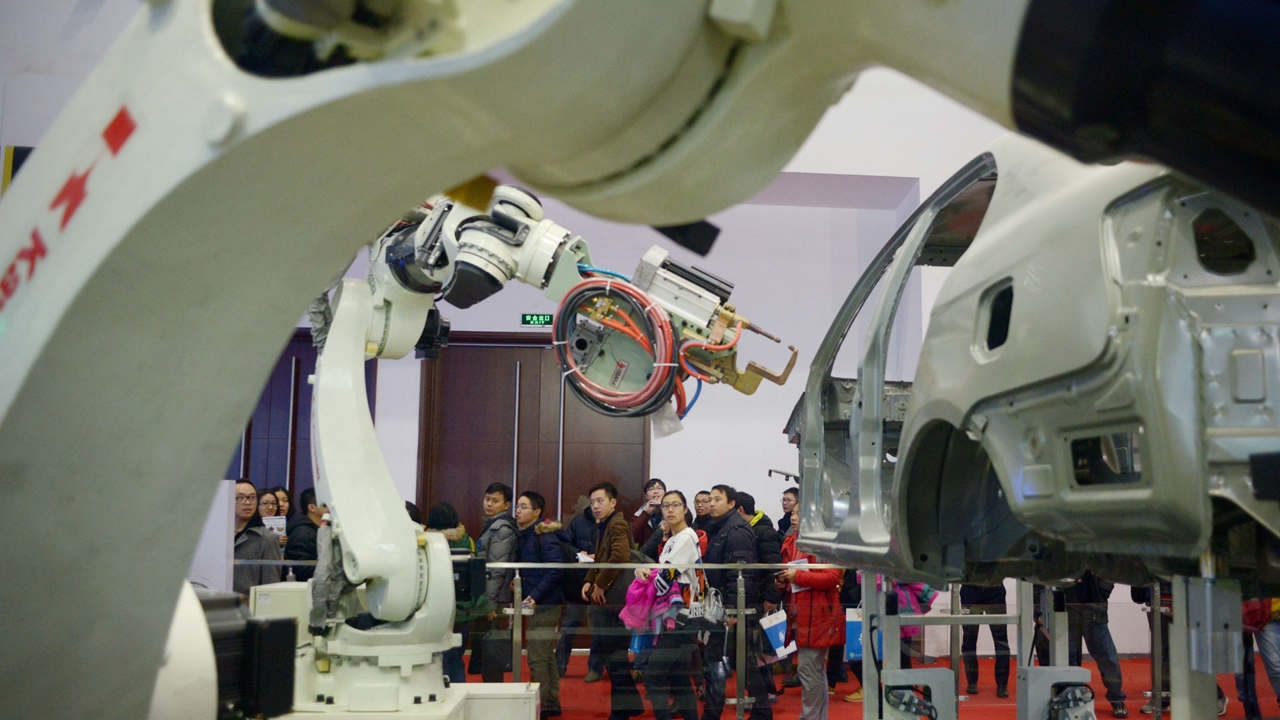
Visitors watch a robot simulating how a car is made during the World Robot Conference in Beijing on November 24, 2015. /CFP Photo
But there are major challenges for manufacturing. GMIS is taking place against the backdrop of a subdued global economy, with the International Monetary Fund (IMF) recently saying it was concerned about uncertainty from the new US administration.
The Director General of the United Nations Industrial Development Organization (UNIDO), Li Yong, told CGTN that it’s important that global trade remains as free as possible.
"I believe strongly in multilateralism and an open-door policy and free trade, which will lead global prosperity. This is a historical trend. It’s not something, [that] some country could stop it."
It’s still unclear what exactly US President Donald Trump’s rhetoric will mean for global growth, but the focus for policymakers at the GMIS was to look into the future, and the possibilities that technology could open up for millions around the world.
5964km
Copyright © 2017
SHARE
- EXPLORE
- MORE
FOLLOW US