Major politicians in Colombia accused of illegal land grabs






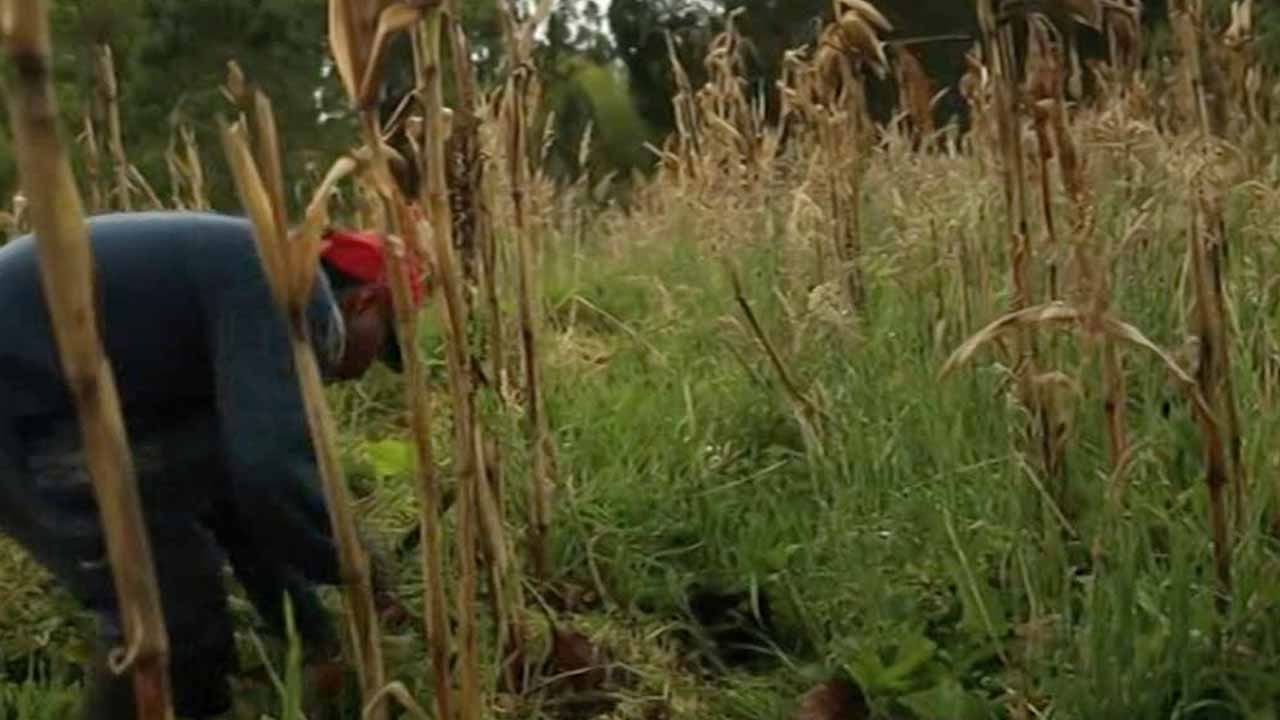
Colombia's unequal land distribution is seen as one of the root causes of the five-decade long armed conflict that led to displacement of over seven million people in the country. A recent investigation suggests that some of the country's most prominent politicians may be guilty of illegal land grabs.
Former Colombian President, Alvaro Uribe Velez has been accused of accumulating land meant for less fortunate farmers. The Comptroller General's report, which compiled evidence from 2013 to 2015, shows 33 cases of alleged illegal accumulation of uncultivated lands. Uribe and Colombia's current Minster of Agriculture along with his predecessor are among those accused of illegal land grabs.

Relatives of 14 victims of the Colombian civil war attend a ceremony in which they received the remains of their loved ones recently found in different mass graves/VCG Photo
"Uribe is a politician who also is a land owner who has not only accumulated land using power but he has also enriched some of his friends by utilizing the resources the government gives out and the power of simply being a politician,” said Colombian Senator Ivan Cepeda.
Land distribution in Colombia is among the most unequal in the world. According to aid group Oxfam, two-thirds of the country's agricultural land is owned by less than one percent of the population. A 1994 land reform law was meant to limit the number of acres that a buyer can purchase meant for small farmers.
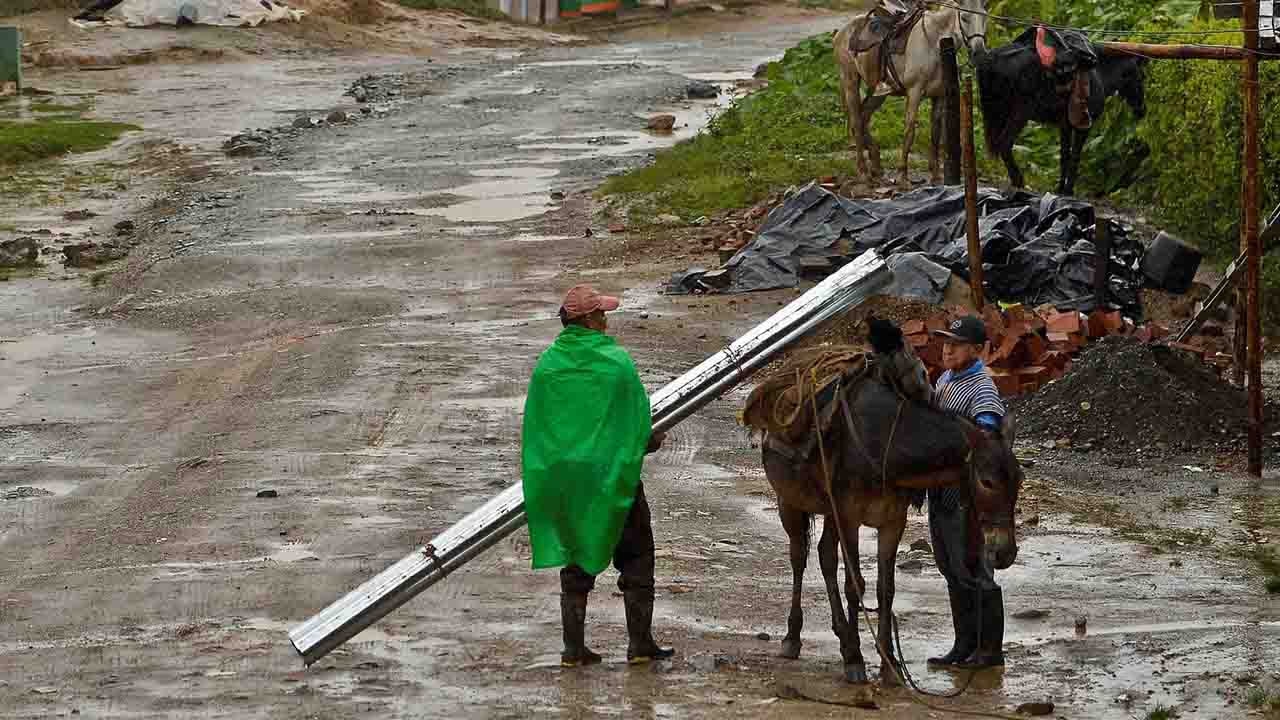
Colombian farmers/VCG Photo
"People here can't simply have land just to have it. There is a social responsibility, but that is never met because those who are in power never make sure the norms are respected,” said anthropologist Dario Fajardo.
In response to accusations of land grabbing, former president Uribe said he acquired the land legally before the 1994 land reform measure and therefore has broken no laws. But one analyst said whether or not these politicians are guilty is not the problem.
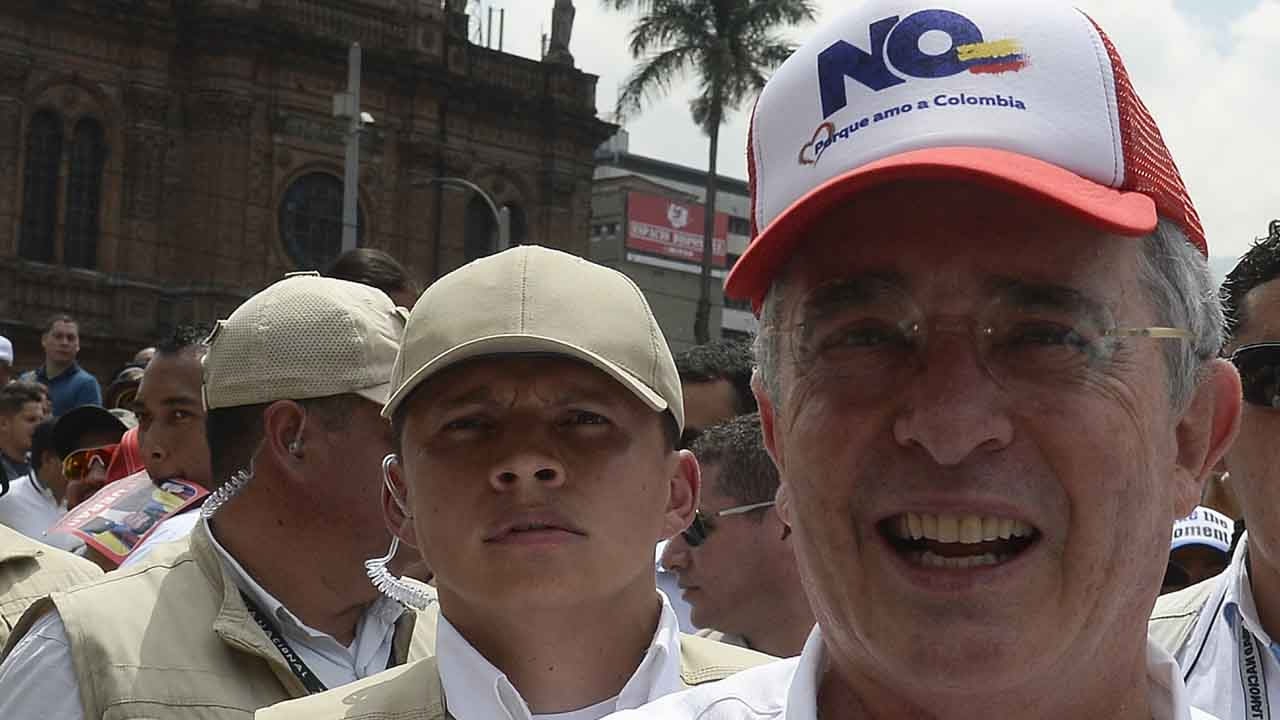
Former Colombian President, Alvaro Uribe Velez/VCG Photo
"Having these lands concentrated in hands of few wouldn't be so bad if those lands were used adequately and they were generating jobs, production and stability for the community. But these lands are only generating power,” said Dario Fajardo.
- EXPLORE
- MORE