
20:54, 22-Jun-2018
Gaming Addiction: WHO classifies compulsive game play as mental health disorder
 []
[]
Share







Copied
01:53
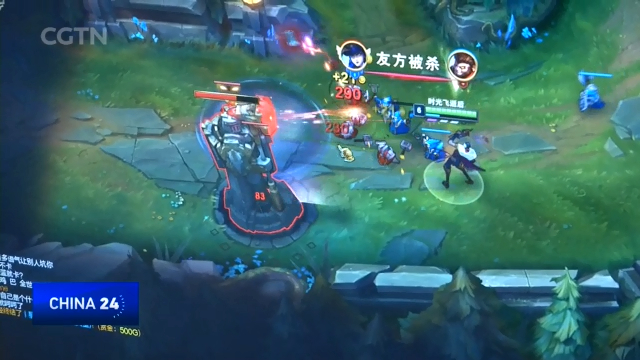
The World Health Organization is officially classifying gaming addiction a mental disorder, calling attention to the challenges some youth face in curtailing their gaming habits. CGTN's ZHENG CHUNYING has more.
Like a good book, one of the best compliments anyone can give a video game is that they can't put it down. But taken to an extreme excessive gaming can tilt into unhealthy territory. Gaming addiction is now officially included in World Health Organization's 11th edition of its International Classification of Diseases.
The move has sparked controversy among psychiatric experts who question whether there's enough research to call it a true disorder.
LI HAISHEN PSYCHOLOGICAL CONSULTANT "There are no concrete standards to tell the extent to which one is addicted to video games. But I think people should make sure the game doesn't take up too much of their life, and cover other daily interests and normal social life."
The WHO's official definition of "gaming disorder" includes a pattern of behavior for at least 12 months in which gaming is out of control, a continuation or escalation of gaming despite the occurrence of negative consequences, or behavior that affects one's relationships, education, or occupation. However, some experts suggest there's no need to worry too much about that.
LI HAISHEN PSYCHOLOGICAL CONSULTANT "Parents don't need to be frightened by the news. One must have many symptoms before being diagnosed with the disorder. And for many young adolescents, the addiction is largely related to family relations. For example, if parent-child relations are not good enough, children may excessively play games to satisfy their emotional expectations."
It's unclear if this gaming addiction will require treatment similar to other mental disorders or addictions. But one thing is for sure holding harmful gaming behaviors up to closer scrutiny can only be a good thing. ZHENG CHUNYING, CGTN.