
10:58, 13-May-2019
Intl. Horticultural Exhibition: Weed hills transform congested Shenzhen buildings into green, eco-friendly spaces
Updated
10:50, 16-May-2019
 []
[]
Share







Copied
04:11
Many of China's big cities suffer from poor air quality and too much concrete. But in Shenzhen, weeds are being introduced to turn the concrete jungle of 12.5-million people into an oasis of man-made hills. It is hoped this will promote a greener and more eco-friendly way of life. Let's take look.
My name is Miscanthus sinensis, a name you might not know, but that's understandable. After all, who would pay attention to the weeds in a sea of colorful blossoms? Gangxia was also a forgotten place in the bustling city of Shenzhen before being renovated by a project called "Yugong Plan 2.0".
"Handshaking buildings" refers to buildings that are so close to each other that respective residents can shake hands through windows. In such a cramped space, a good quality of life was a luxury until I came. People brought green "hills" here, which can collect rainwater, using layers of interconnected boxes filled with plants. The residents don't need to worry about muddy water in the rainy season. They also get a cool place to relax.
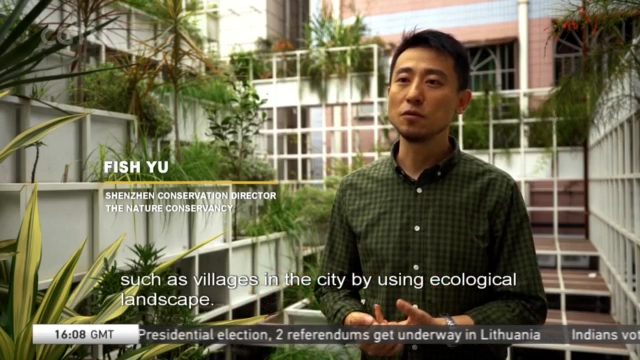
FISH YU SHENZHEN CONSERVATION DIRECTOR, THE NATURE CONSERVANCY "We are trying to find a solution to improve the living standards of people who live in extreme situations, such as villages in the city by using ecological landscape. So eco-parks and green spaces in buildings are very ideal choices."
Not only Gangxia, but all of China suffers from city problems.
YU KONGJIAN, PROFESSOR COLLEGE OF ARCHITECTURE AND LANDSCAPE, PEKING UNIVERSITY "The energy consumption in buildings takes up to one third of the whole energy consumption in China. The resulting damage by every single household can be severe. Therefore, we wish every building and facility could become eco-friendly."
Whether it's by moving hills to buildings or integrate gardens into homes, people are trying to improve their living spaces. Facing the damage brought by rapid development, people are seeking ways to heal the earth and themselves. While bringing joy to the world, I also found meaning in my life.