
Health
20:20, 10-Feb-2018
Help the aged – a Dutch answer?
 ["china"]
Share







Copied

Professor Paul Schnabel asks us to imagine being someone who loves music but can no longer hear, or loves walking but their limbs won’t let them. Who had many friends once. But few, if any, now. They’re gone. Even memories are fading.
What Professor Schnabel describes are accumulated age-related diseases which do not necessarily add up to a chronic or terminal medical condition in and of themselves, but they may well be irreversible. And together, in some cases perhaps, unbearable. They are becoming more common in ageing societies like Holland.
So Schnabel was asked to head up the Dutch “Completed Life Commission” in 2016 by lawmakers who backed an update to Holland’s ground-breaking 2002 euthanasia laws: to allow those over 75 years old who simply felt they’d had enough the right to seek medical help in dying.
His conclusion irked his political masters though. A new law would not be appropriate, Schnabel argued, but only because the current one already allowed that right in theory.
Watch CGTN’s full interview:
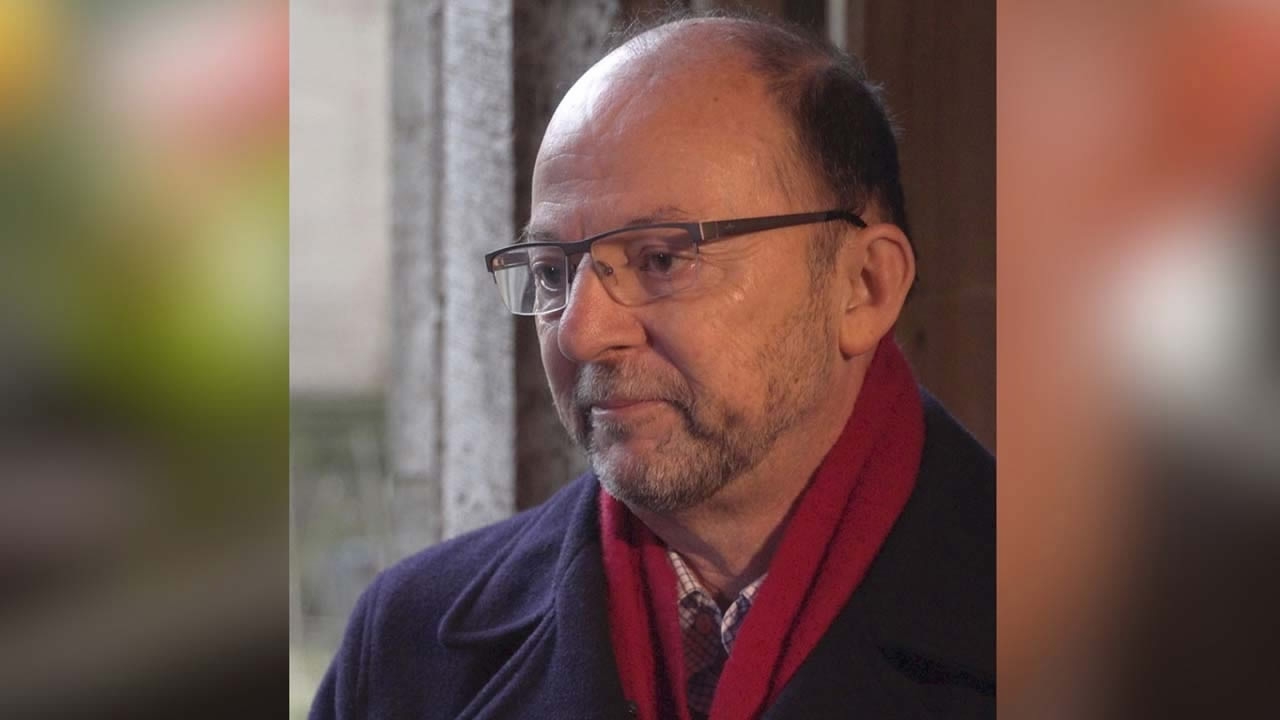
Tragic cases like those of terminal cancer patient Wilma Visser remain the most common. Wilma’s widower, Martien Visser, showed incredible bravery only a year since his wife’s death in recounting her final moments.
Through Martien’s emotional personal story also comes a powerful argument in favor.
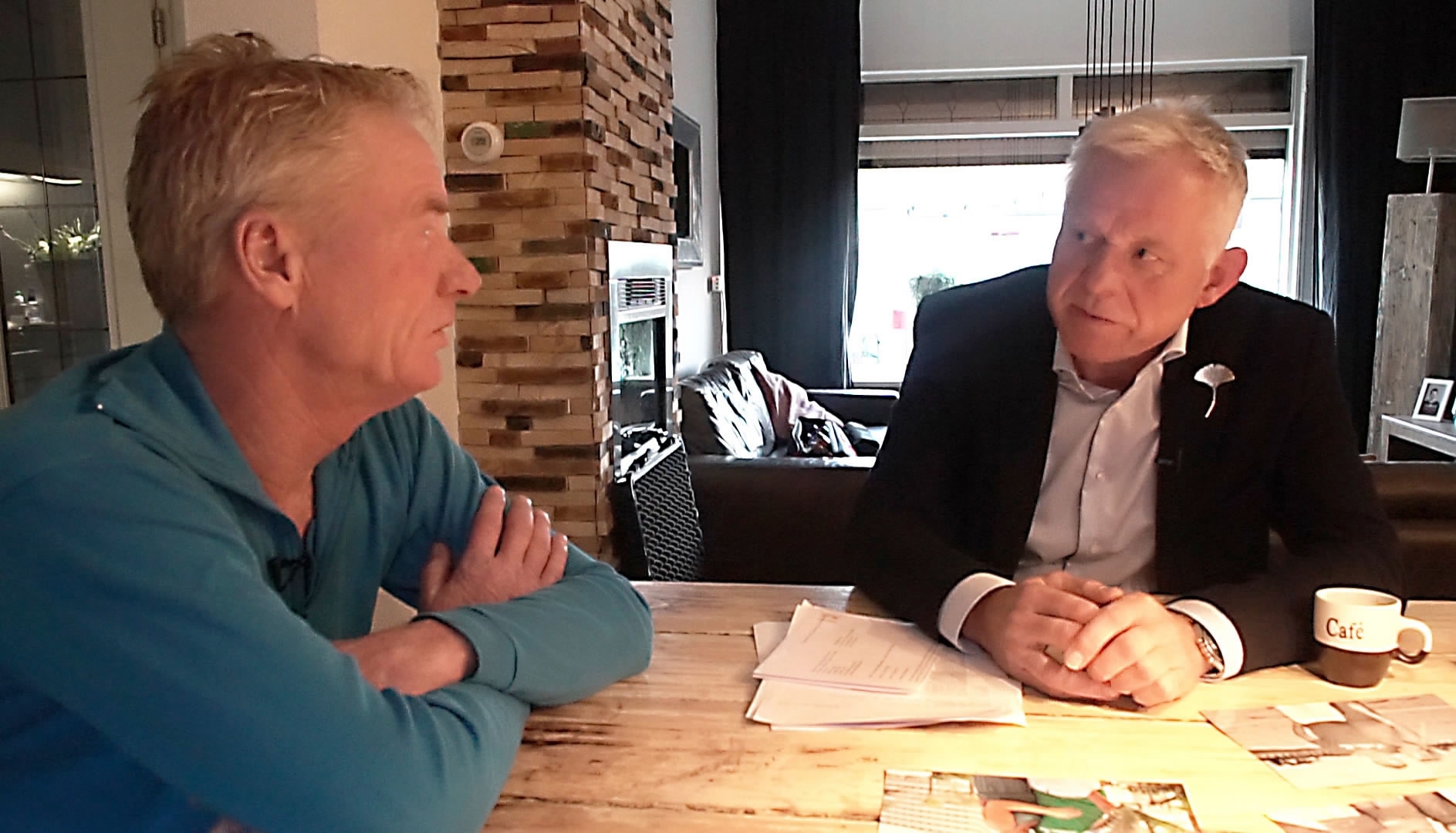
But who should, and should not, have the right? Where to draw the line?
In the 1990s, Dr. Boudewijn Chabot was found guilty, but not punished, for helping 50-year-old Hilly Bosscher to end her life.
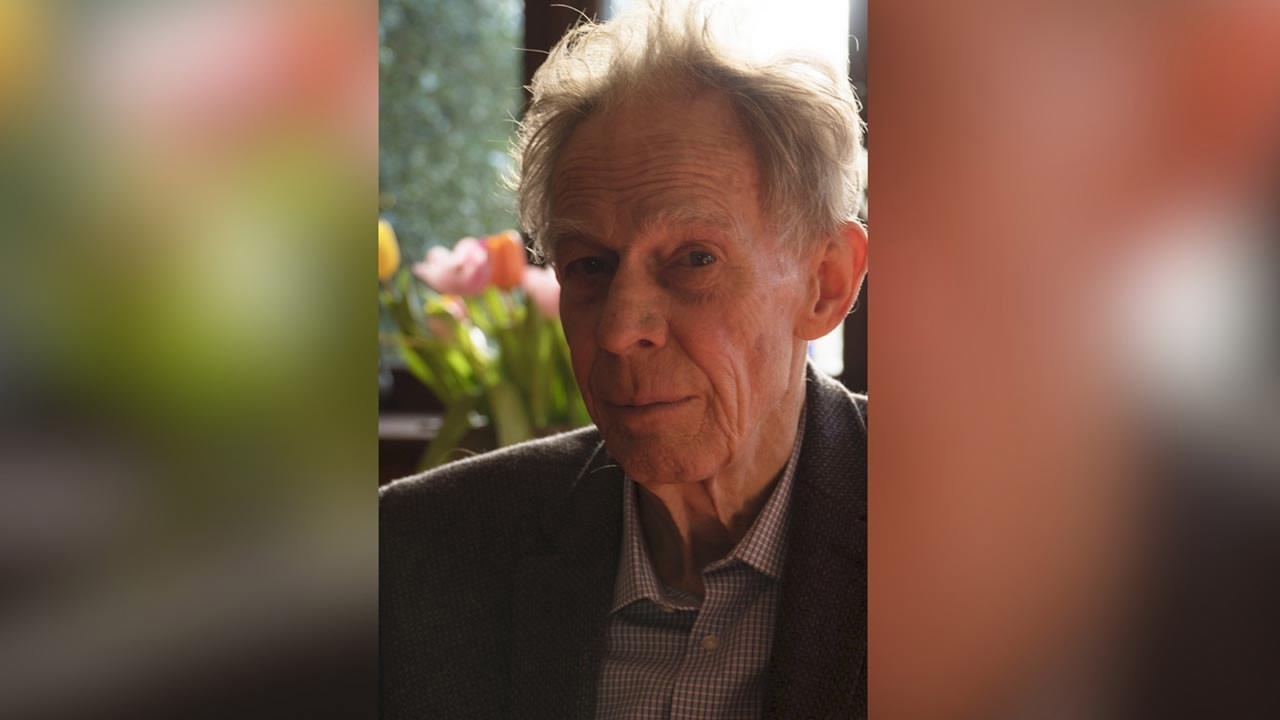
Bosscher was “sane, healthy, and determined to die.” That landmark ruling is part of the reason euthanasia is legal in Holland today, and yet Chabot worries the practice he helped create is going off the tracks when it comes to dealing with the mentally ill.
Professor Theo Boer agrees for different reasons and resigned from the euthanasia Review Committee in protest.
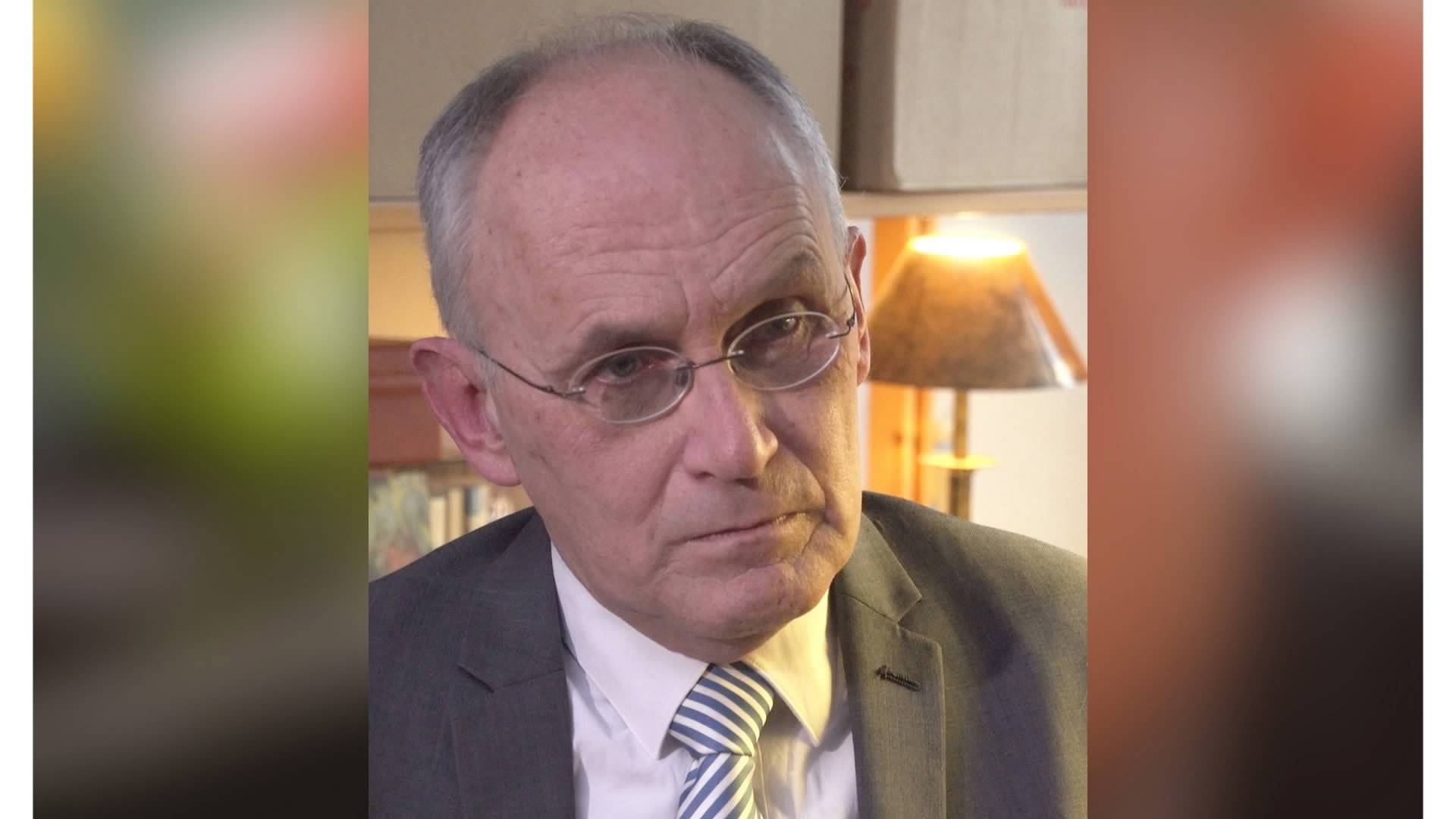
As other countries watch on, Holland is still debating what unbearable and hopeless suffering is, and who has, or should, have the right to decide.