
13:30, 07-Jan-2019
China-US Trade Talks: Joint venture model and 'forced technology transfer'
Updated
13:16, 10-Jan-2019
 []
[]
Share







Copied
02:21
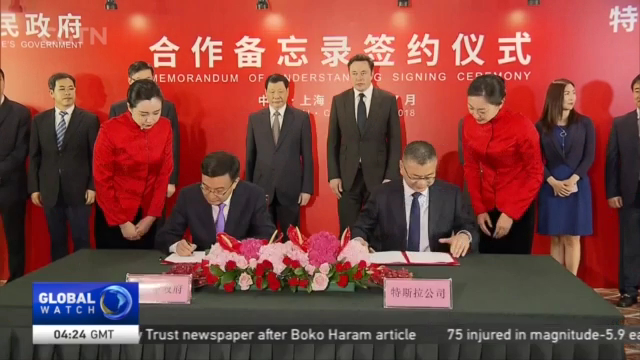
China's intellectual property and technology transfer policies have been under the limelight amidst trade frictions with the US. Much of the controversy focuses on the 'joint venture model'. Yang Chengxi explores how analysts see this issue.
Since China's reform and opening-up 40 years ago, many foreign companies have been eyeing a piece of the market. Many started here by setting up joint ventures.
PROFESSOR LUO CHANGYUAN SCHOOL OF ECONOMICS, FUDAN UNIVERSITY "Twenty years ago, only 30 to 40 percent of foreign firms in China were wholly-owned. By 2017 it has risen to 70 to 80 percent."
As China continues to open up more of its sectors, more foreign companies, now with a better understanding of China's market, laws and culture, are choosing to move away from JVs. Analysts say local companies are doing the same.
PROFESSOR LUO CHANGYUAN SCHOOL OF ECONOMICS, FUDAN UNIVERSITY "According to our research, the idea that Chinese firms could achieve breakthroughs by technology transfers from foreign partners does not work."
But now, this is part of an issue that's sparked tariffs against Chinese goods, amounting to billions of dollars. The American government claims that China has been forcing technology transfer from foreign firms to Chinese partners, a claim that China denies. U.S. car brand Tesla announced its first wholly-owned factory outside the United States in Shanghai last year. Local officials were asked about forced tech transfers.
HUANG OU, DEPUTY DIRECTOR SHANGHAI MUNICIPAL COMMISSION OF ECONOMY & INFORMATION "As to technology transfers, it's a company matter. We don't have any intentions to make regulations."
Analysts say many foreign companies transfer technologies to their Chinese partners: not forced but as part of their own strategy.
PROFESSOR LUO CHANGYUAN SCHOOL OF ECONOMICS, FUDAN UNIVERSITY "They transfer their technologies to their Chinese manufacturing partners, so they can have higher quality intermediate products made in a more cost-efficient way."
Since 2002, China has been increasingly relying on itself to improve technologies.
YANG CHENGXI SHANGHAI "China spent 1.8 trillion yuan on research and development in 2017. That accounted for a record 2.1 percent of the country's GDP."
The country remains the biggest investment destination among developing economies. Officials and analysts say one of the biggest attractions for foreign companies, is a level playing field. YCX, CGTN, SHANGHAI.