
Opinions
15:04, 23-Mar-2018
Experts: Post Putin leadership -- a make or break situation
 ["china"]
Share







Copied
President Vladimir Putin has won another six-year term as Russian president. The result may not turn out to be a surprise, but the high turnout (67.4 percent) does mean that this has been a fairly solid victory for Putin.
Challenges ahead
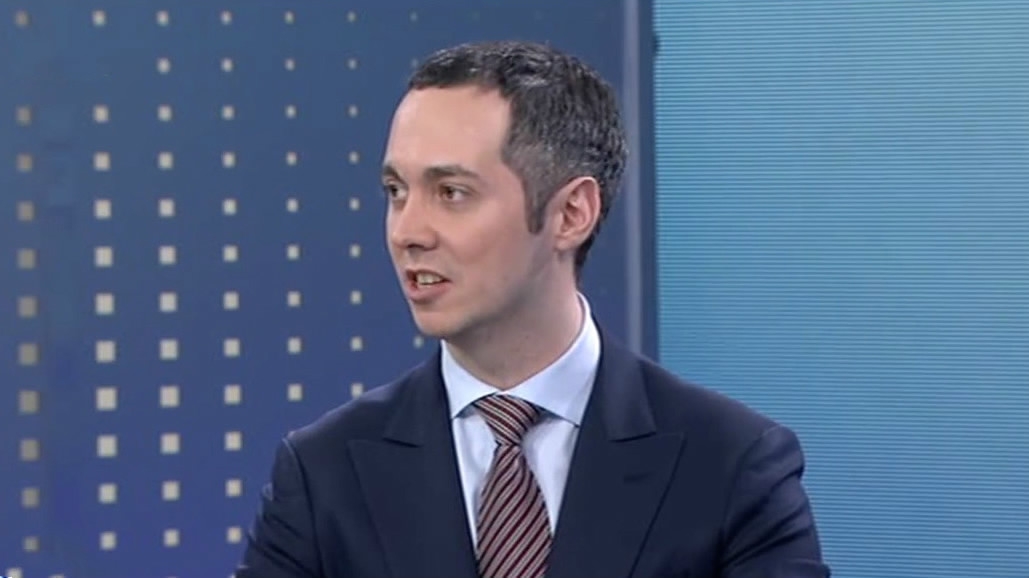
“It means for the first time in Russian history, the president was elected with a majority of all voters,” explained by Dmitri Trenin, director of the Carnegie Moscow Center. But what comes after his landslide victory? According to him, faced with great pressure from America, there are mainly two challenges for Putin: “keeping the country in one piece and restoring Russia’s status worldwide as a great power. ” Interestingly, he holds that Russian economics is not the first and foremost thing.
Alexander Gabuev, Chair of the Russia in the Asia-Pacific Program of the Carnegie Moscow Center, agrees in that Russia is certainly not a giant in terms of economics. But it has other tools such as military power. “It’s more about being perceived as a great power by others than being respected,” he added.
China and Russia: natural compatibility
Not long before Russia’s election, Chinese President Xi Jinping also won another term with a unanimous vote. After Putin’s victory, President Xi sent a congratulatory message on his reelection, saying that “China-Russia comprehensive strategic cooperative partnership is at the best level in history.” How can China and Russia renew and strengthen their ties then?
For Alexander Gabuev, there is a lot of interest in the “natural compatibility” between China and Russia in places like central Asia and economics. China’s experience in infrastructure and abundant capital are of great appeal to Russia.
In Dmitri Trenin’s view, China-Russia relations are founded on a formula that “we will never be against each other, but we will not necessarily be with each other all the time.” Their bilateral ties are based on reassurance and flexibility.
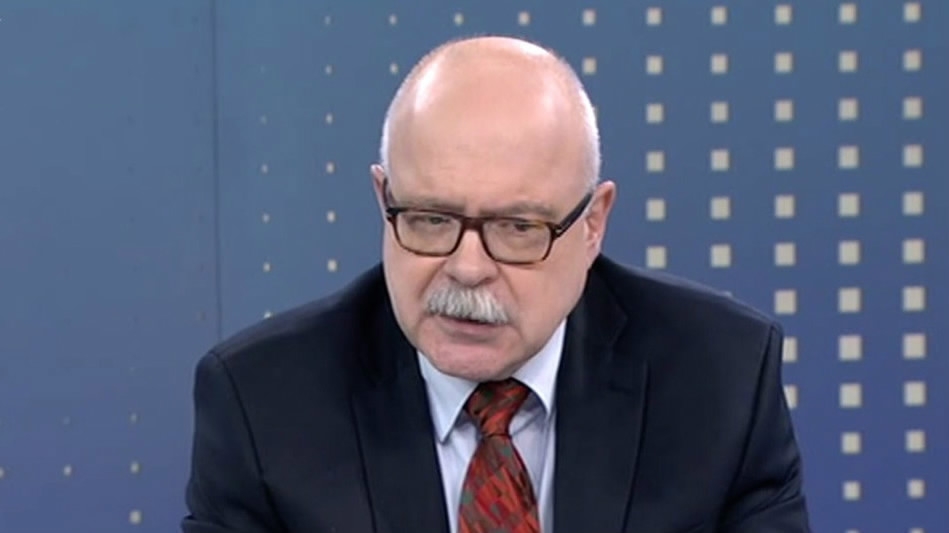
He also hopes that Shanghai Cooperation Organization (SCO) can play a greater role in regional economy and the larger geopolitical landscape. “The SCO is more of a useful platform than an organization. Russia and China should work together to make the Euro-Asia region more stable and prosperous, along with other bilateral ties. And the goal of their concerted effort is to establish a zone of peace and cooperation on continental Asia," Trenin said.
The Post Putin Era
Even though the pressure from the US is a big headache for Putin, the economic stagnation in Russia is still one of the major challenges for Putin’s new term. The two experts expressed that they would not expect to see economic structural reform.
“The future of Russian economics is whether it will embark on a bold and risky structural reform or continue the way it’s been doing with marginalized improvement.” For Alexander Gabuev, the latter is more likely.
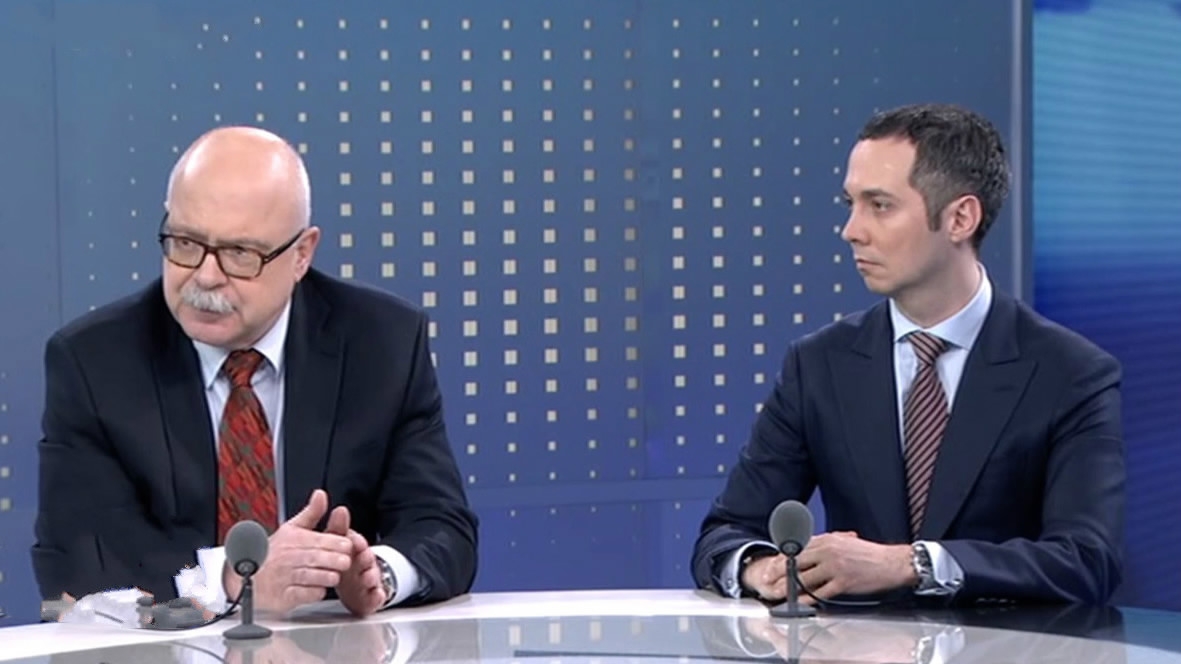
“Russia’s economic problem is not economic as political economic. That calls for very significant changes that will be undertaken years from now,” said Dmitri Trenin, “The priority for Mr. Putin is preparing for the Post-Putin leadership. To him, governance is the most important thing in Russia. Russia has failed twice in the past because of weak leadership and Putin would not allow that. He is expected to try his best to ensure a smooth power transition. ”