
Business
18:34, 26-Sep-2017
Macron's 2018 budget: What to look out for
 ["europe"]
Share







Copied
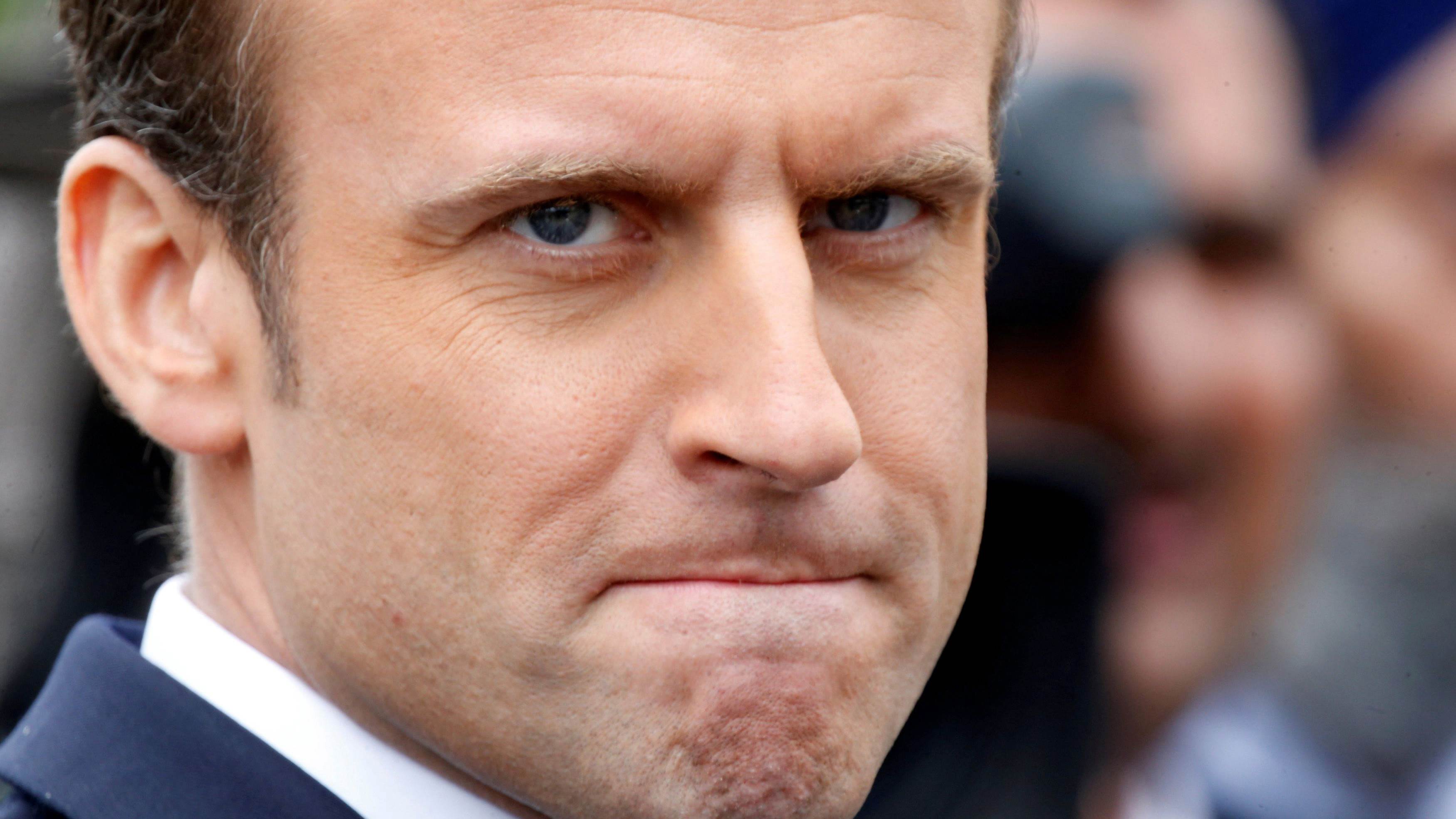
French President Emmanuel Macron’s government is set to announce its 2018 budget on Wednesday, amid plummeting opinion poll ratings and street protests earlier this month against labor reforms.
Ahead of a tricky balancing act of cutting taxes and balancing France’s deficit and high unemployment, can this budget see Macron regain some of the momentum of his election win?
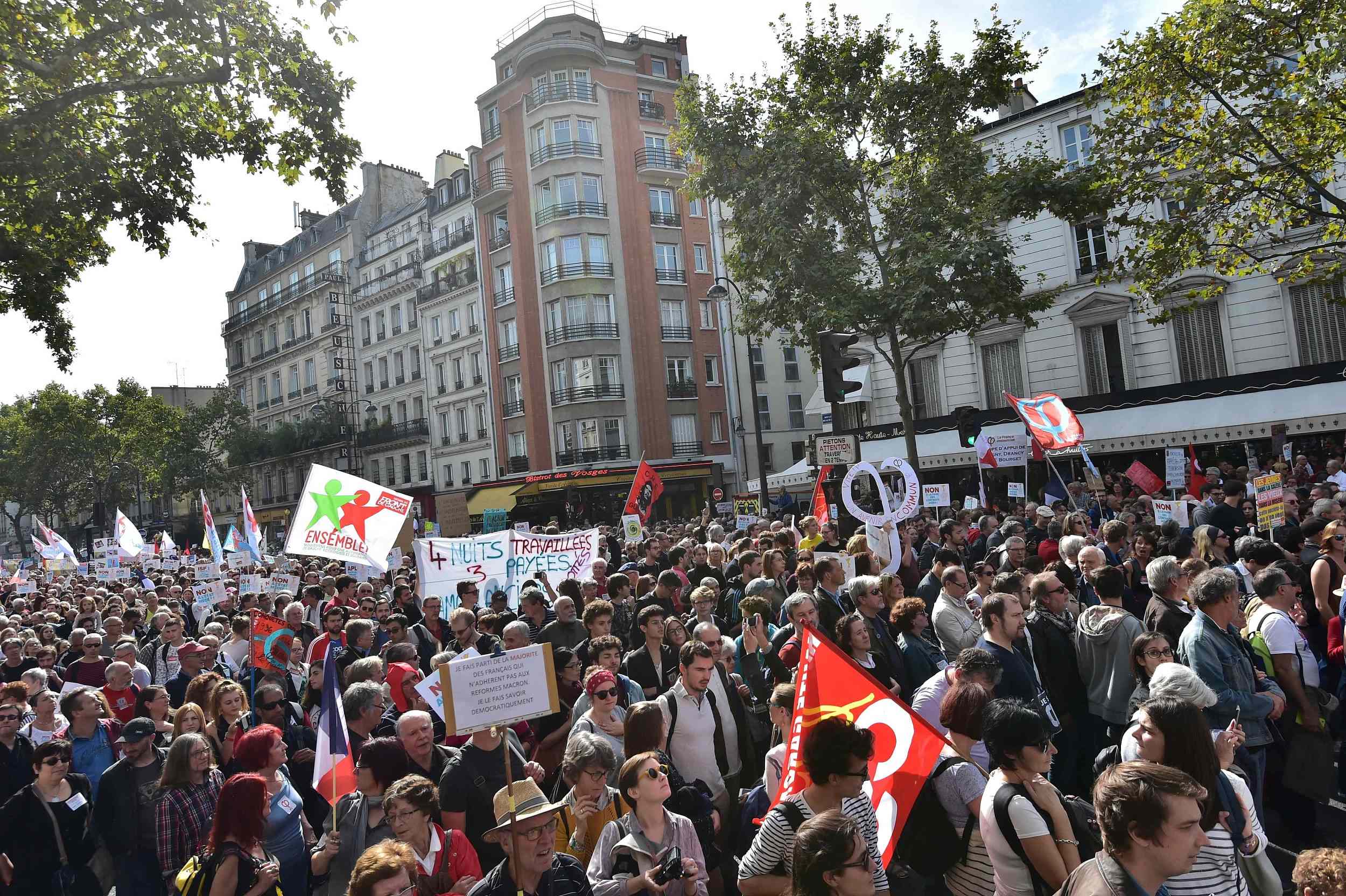
A protest over the government's labor reforms in Paris on September 23, 2017. /VCG Photo
A protest over the government's labor reforms in Paris on September 23, 2017. /VCG Photo
The carrot: Taxes scrapped for 80 percent of households
Macron has identified consumer spending as one area that he wants to boost, and in July announced plans to end local property taxes for 80 percent of people currently paying them. While bringing some relief to many French families, there are question marks over what some estimate will be a nine billion US dollar hole in France’s coffers – especially when Macron has pledged to tackle the deficit.
The stick: Cuts, cuts and more cuts
Macron has pledged to bring down the deficit to below three percent of GDP, by making savings of 16 billion euros (19.5 billion US dollars) in 2018. Where are those cuts going to come from though?
Proposals to slash housing subsidies (which cost the state 18 billion US dollars in 2016) could affect 10 percent of French households, while Macron has already upset key military figures by bringing defense spending down by 850 million US dollars. Pierre de Villiers, France’s chief military officer, resigned in protest in July this year, but Macron has pledged military spending will go up slightly again in 2018.
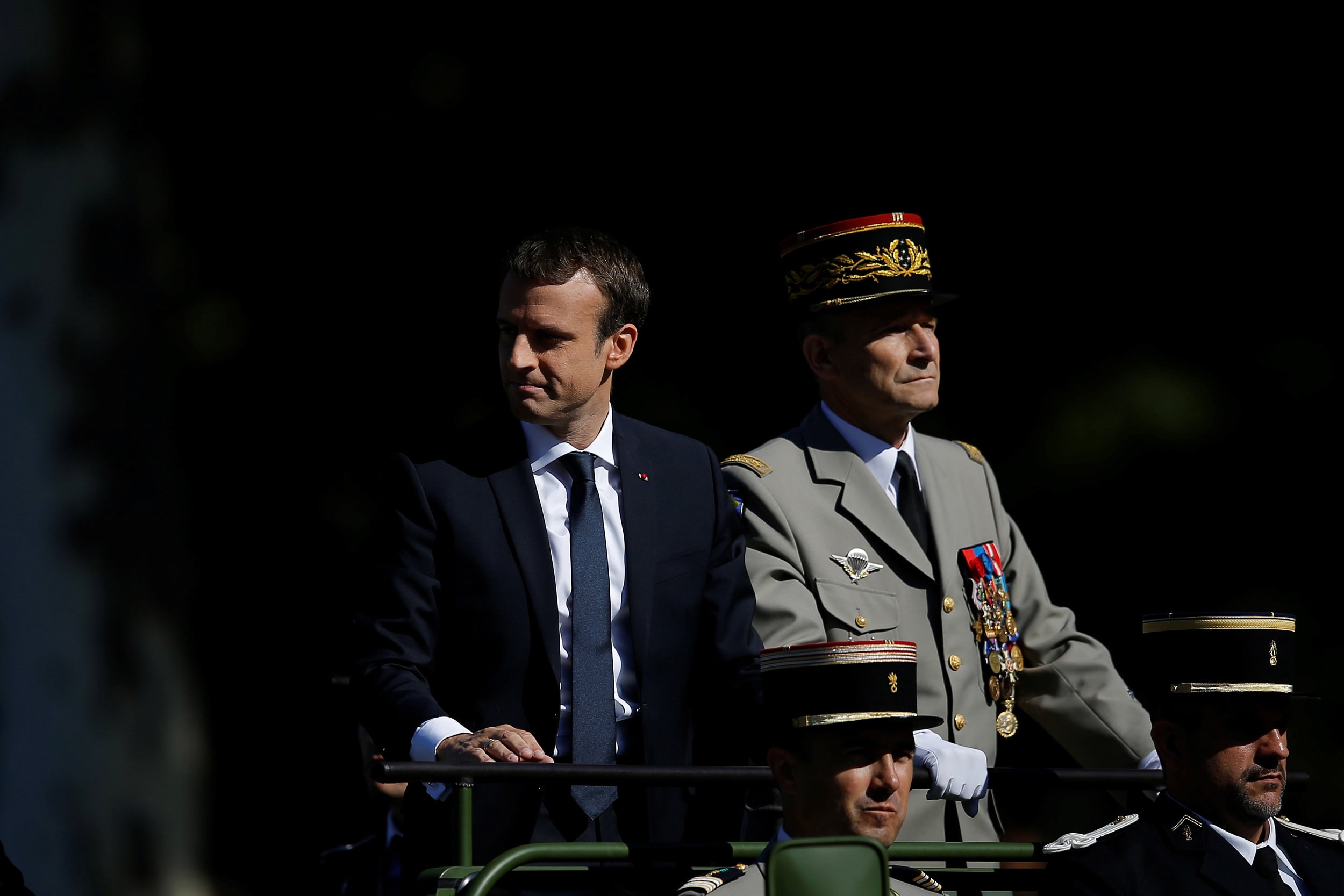
Macron and General de Villiers, before their fallout over cuts to the military budget. /VCG Photo
Macron and General de Villiers, before their fallout over cuts to the military budget. /VCG Photo
Other areas of government that could face big cuts include the finance, interior and justice ministries, according to French media.
France open for business?
Macron campaigned on a pro-business platform, and has previously pledged to cut corporation tax from 33 to 25 percent by 2022. His recent labor reforms – pushed through despite tens of thousands of protestors marching through major cities earlier this month – can be seen as the first step towards improving the business environment in France.
In July, Prime Minister Edouard Philippe told the Financial Times that tax breaks for the wealthy could be introduced as early as next year, with proposals to exclude investment holdings from France’s wealth tax, as well as reducing tax on dividends and capital gains to a flat rate of 30 percent, down from varied rates between 50 and 60 percent.
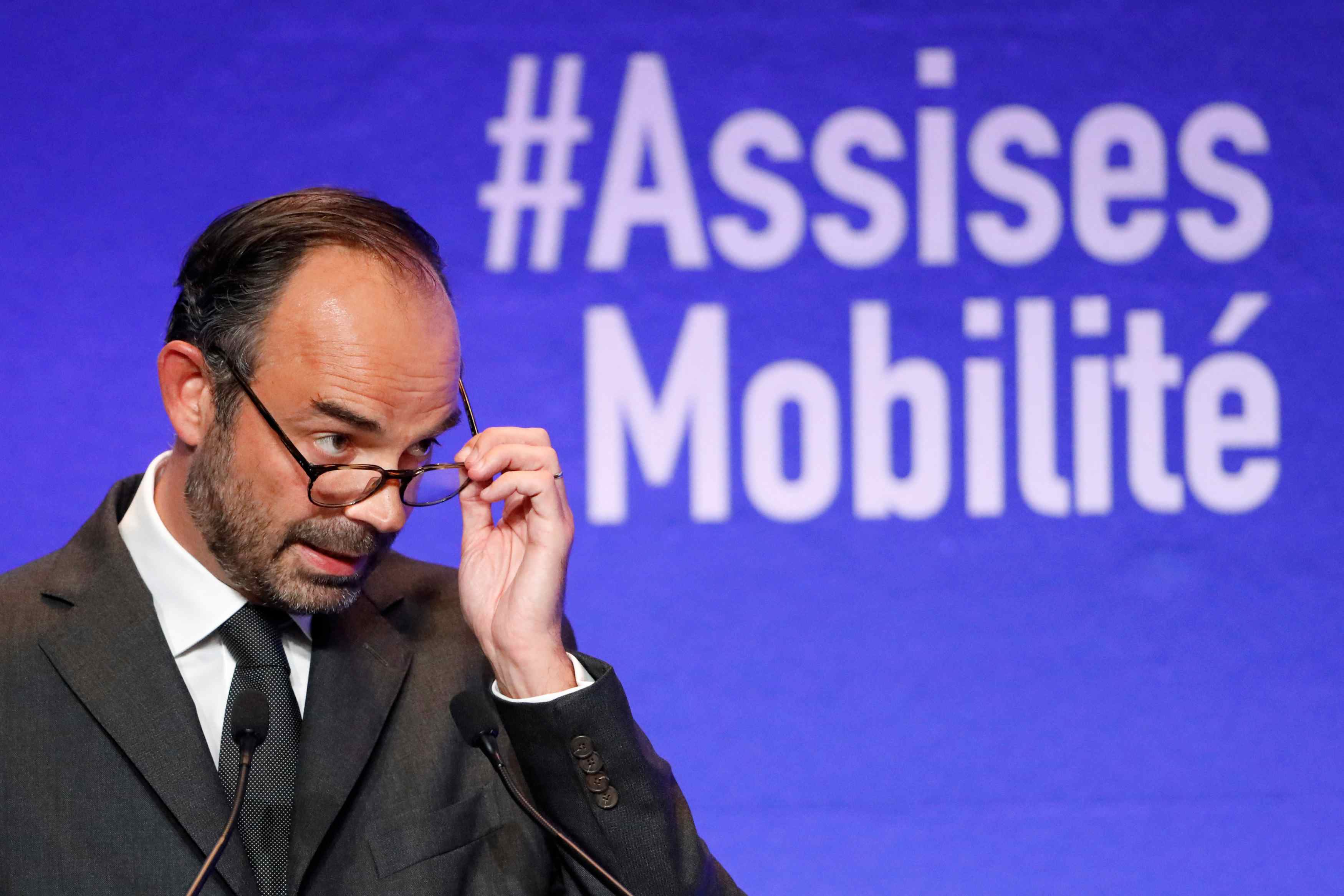
French Prime Minister Edouard Philippe. /Reuters Photo
French Prime Minister Edouard Philippe. /Reuters Photo
Make France Great Again? Macron echoes Trump with infrastructure pledge
The French government announced Monday that a five-year investment fund worth 57 billion euros (68 billion US dollars) would not affect plans to cut France’s deficit, with most of the money coming from “loans, equity investments and a guarantee fund.”
According to a government statement, 20 billion euros (23.7 billion US dollars) will be spent on the environment, 22 billion euros (26 billion US dollars) on technology and innovation and 15 billion euros (17.7 billion US dollars) on professional training.
Reuters reports that 24 billion euros of state money has been allocated to the five-year fund – part of Wednesday’s budget is likely to be allocated to the investment push.
A budget with Merkel in mind
The lack of numbers or clarity over how Wednesday's budget will play out suggests Macron's government were waiting to see how the German election played out before putting their cards on the table.
Arguably Emmanuel Macron’s most important international partner, German Chancellor Angela Merkel may have won the weekend’s federal election, but champagne corks were barely flying after her party’s worst result in 70 years.
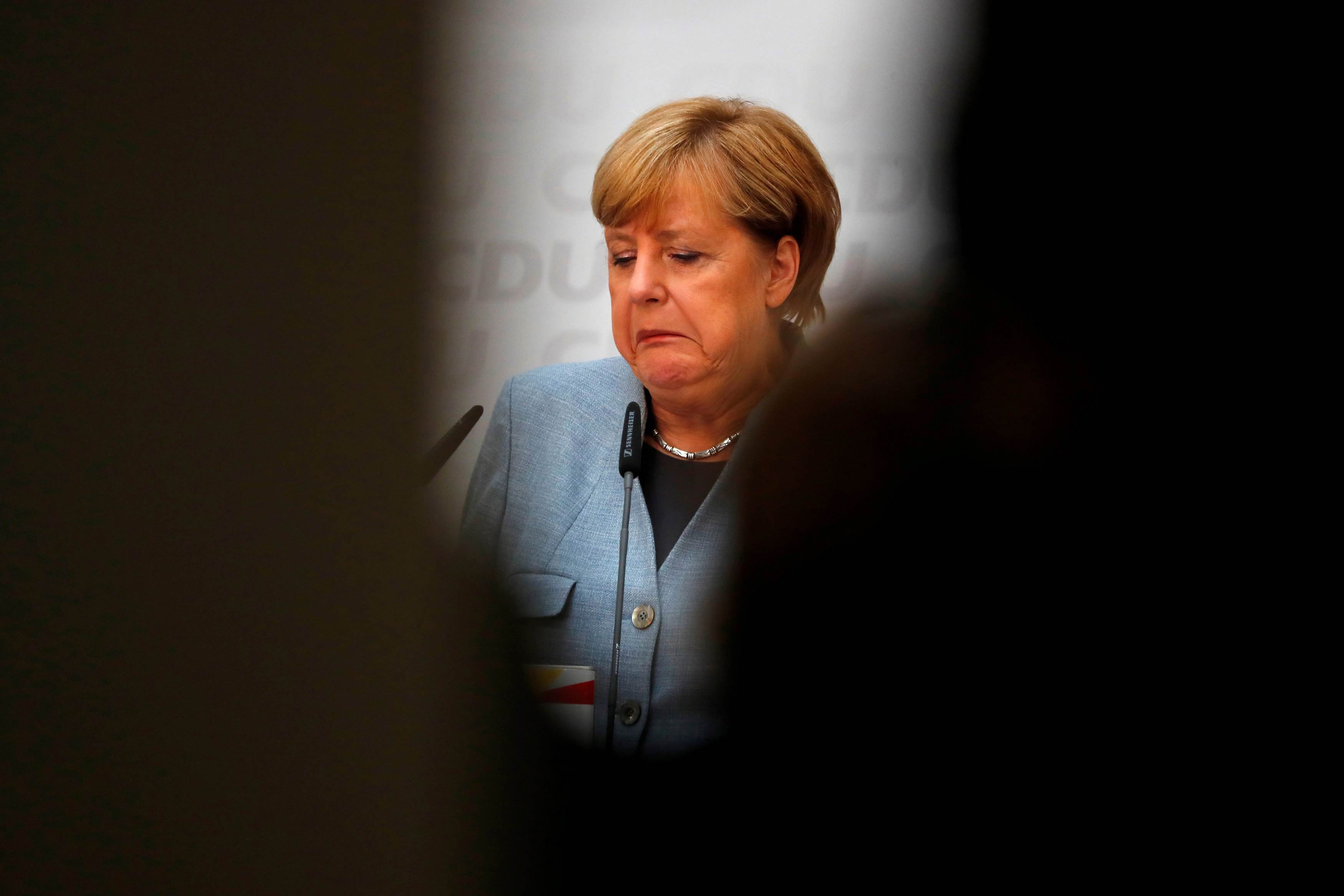
Angela Merkel attends a press conference after her German election victory on Monday, September 25. /Reuters Photo
Angela Merkel attends a press conference after her German election victory on Monday, September 25. /Reuters Photo
Uncertainty over how much power Merkel can wield over a new and likely uncooperative coalition could dent Macron’s plans to forge ahead with EU reform.
Nevertheless, Macron remains a young, inexperienced politician who has so far struggled to win over the French people in the first few months of his presidency.
Presenting France’s 2018 budget and properly handling whatever resistance it may meet will be tough tests for Macron, who needs to prove to Merkel – arguably the most powerful person in Europe – that he has what it takes to take the lead on changing the European Union.