
Culture
11:15, 14-May-2018
Mezze restaurant in Lisbon serves Middle Eastern food by Syrian war refugees
 ["china"]
Share







Copied
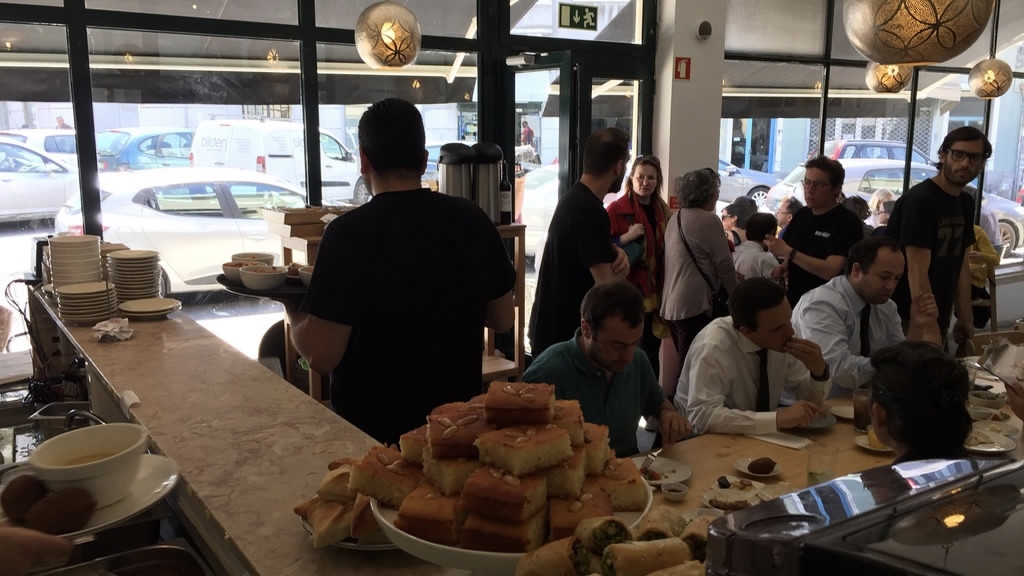
Mezze restaurant in Lisbon, Portugal, with its Middle Eastern food made mainly by Syrian war refugees, has gotten the attention of the UNHCR, the United Nations Refugee Agency, which cited the project as an example of how nationals from one country, in this case, Portugal, could make a difference by helping to welcome and integrate refugees.
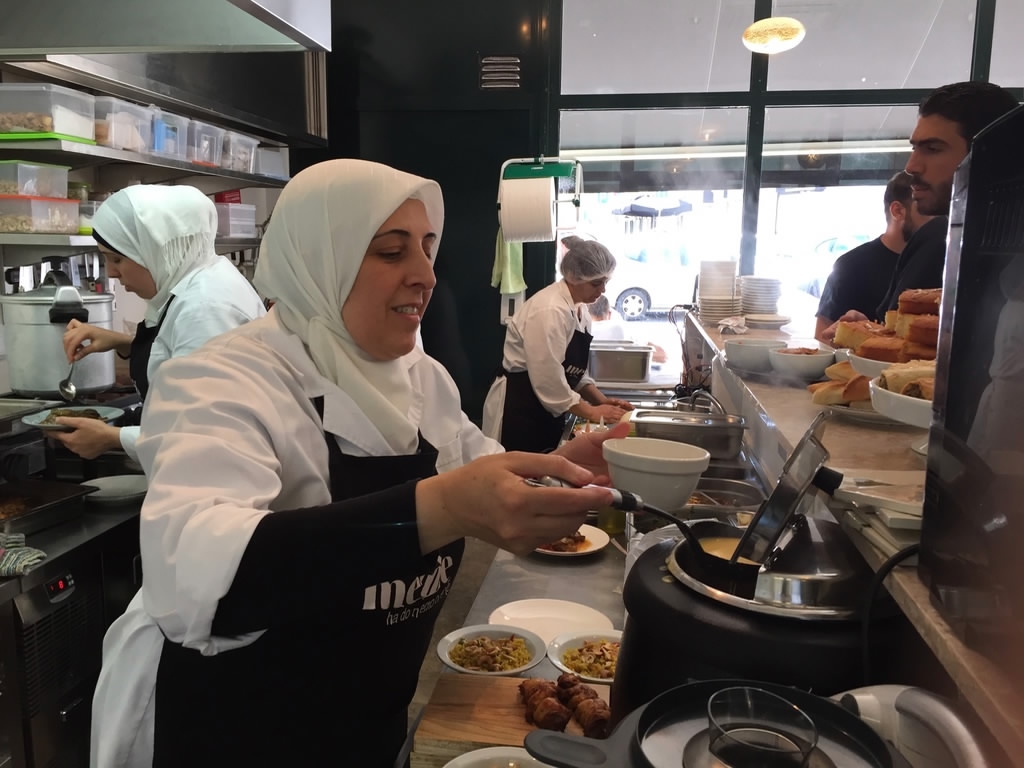
Rafat Dabah's mother, Fatima, in the Mezze kitchen /CGTN Photo
Rafat Dabah's mother, Fatima, in the Mezze kitchen /CGTN Photo
We were heading to Lisbon and decided to make a visit, which was set up by Francisca Gorjao Henriques, a former Portuguese newspaper journalist. She left that job to help start a non-profit called Pao a Pao Association, which helps refugees and which launched Mezze. She explained that the Syrian war refugees in Lisbon cling to their tasty flatbread, which for them is a symbol of sharing, which meshes easily with a Portuguese concept called, Grao a Grao, literally “grain by grain,” but with the meaning of “step by step.”
Taking that style of a steady approach, Mezze opened in September 2017 and its key staff are Syrian refugees, several from the same family, from Damascus. Rafat Dabah is just 22, but already the de facto manager of the bustling Mezze.
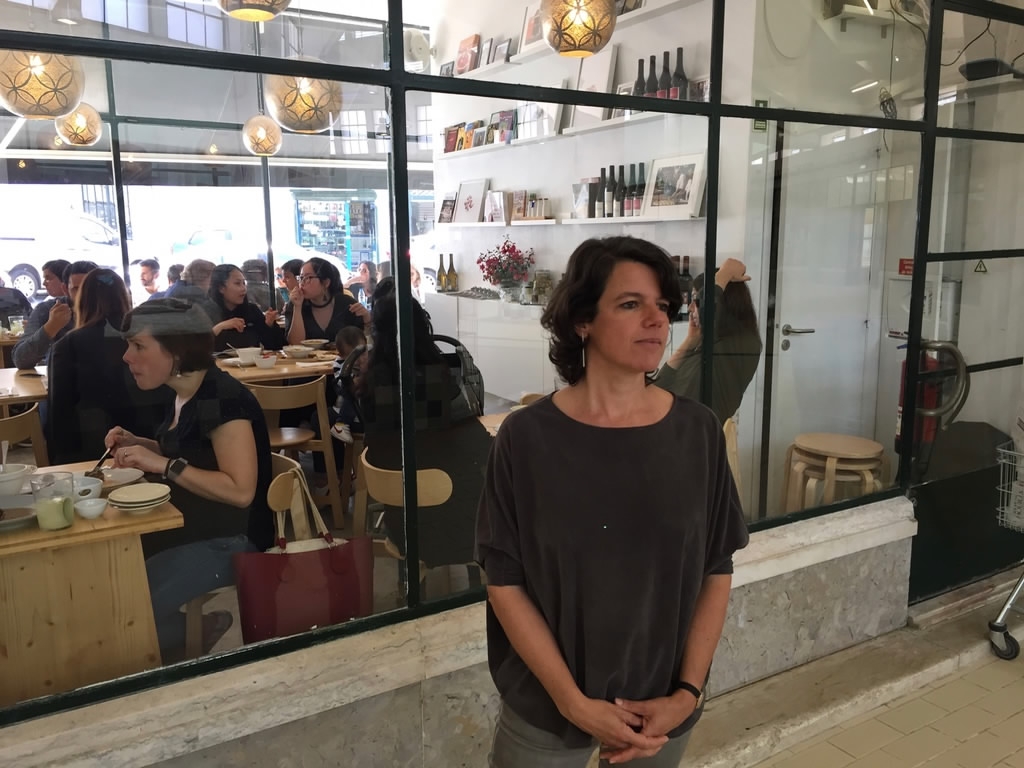
Francisca Gorjao Henriques at Mezze /CGTN Photo
Francisca Gorjao Henriques at Mezze /CGTN Photo
He had earlier experience at his father’s restaurant in Damascus, but his father died in the war. With Rafat in Mezze are his mother, Fatima, and sister, Reem. For the women, it’s their first job ever out of the home. Mezze is located in the Mercado de Arroios in a multicultural neighborhood of Lisbon.
They don’t take reservations and there’s a line outside when the door opens at 12:30 p.m. for lunch. The refugees do the cooking and the serving and the bread making and the place has the style of being theirs.
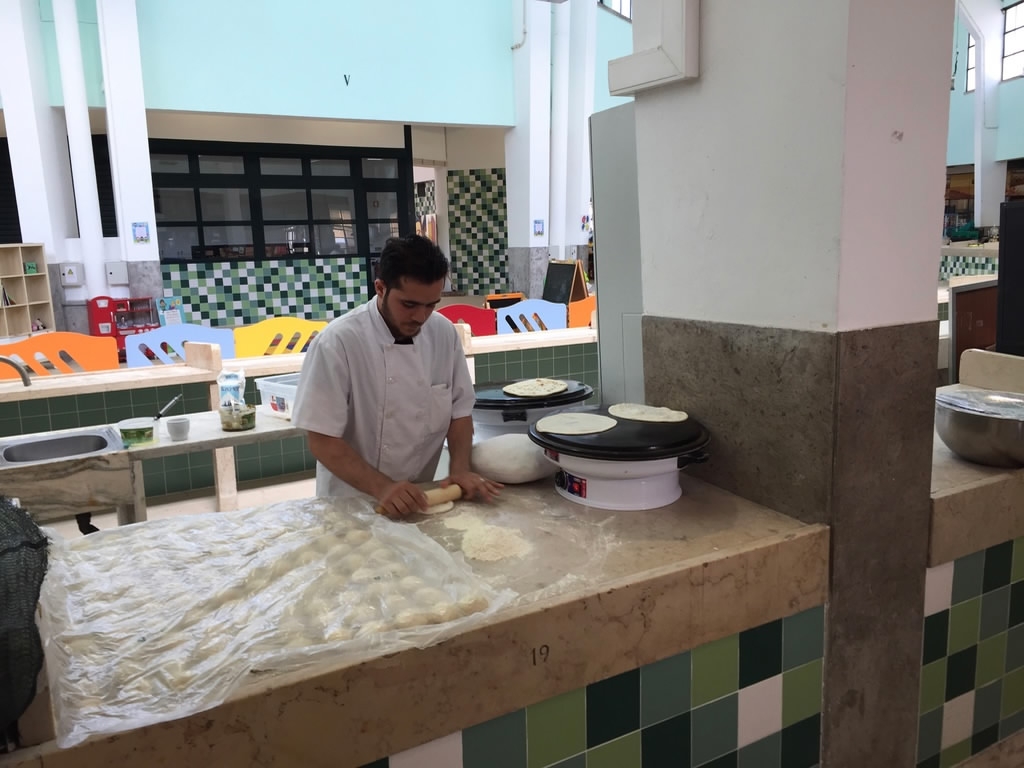
Mezze's bread maker /CGTN Photo
Mezze's bread maker /CGTN Photo
But the non-profit association of Francisca and her colleagues provides crucial financial backing and management experience, like bringing in a well-known Portuguese chef regularly to help advise the refugees on how to make their kitchen more professional. All could come in handy soon, because the refugees and the non-profit want to expand the project, to add a catering service in Lisbon, and open a second restaurant in Oporto, Portugal’s second largest city.