
22:12, 28-May-2019
Iran Economy: Iran says no prospect of negotiations with US
Updated
10:32, 29-May-2019
 []
[]
Share







Copied
03:04
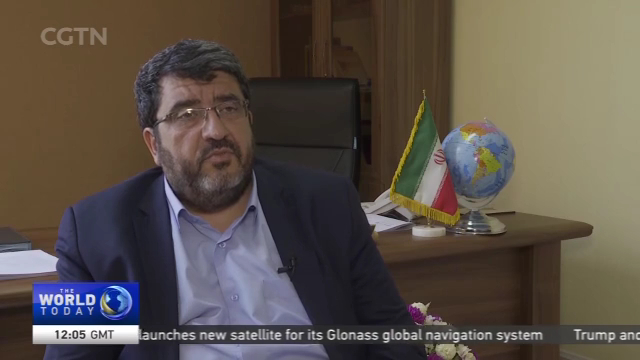
Iran's Foreign Ministry says it sees no prospect of negotiations with the United States. The statement comes a day after US President Donald Trump claimed a new deal with Tehran on its nuclear program was possible. Washington withdrew last year from the 2015 international nuclear deal with Tehran and is ratcheting up its efforts to strangle Iran's economy, affecting millions of Iranian people. Hossein Nematzade has more from Tehran.
Crippling sanctions, maximum pressure or what Iranian officials call "economic terrorism" have impacted the daily lives of millions of Iranians since the US left the nuclear deal and re-imposed sanctions. The White House says the sanctions do not target the Iranian people, but many here think differently.
ZAHRA "The effects of sanctions can be seen everywhere. They affect medicine, travel, food, clothes, whatever you can imagine. People are living with a lot of difficulties."
AMIR "I put my money in the bank so that I could use the interest while I study at university, but the value of our national currency dropped a lot and my money has lost value. The dollar went up. We really don't know what to do."
Iran's national currency, Rial, has lost two thirds of its value against the US dollar since last year, while the inflation rate is over 34%. Housing costs in the capital have surged about 104 percent during the same period. The situation got worse when the U.S. terminated waivers that allowed a handful of countries to buy Iranian oil.
FOAD IZADI INTERNATIONAL RELATIONS EXPERT "The idea behind US policy is to put pressure on the people so people come to the streets demonstrate and the aim is to overthrow the Iranian government by using Iranian people."
People with fixed incomes have lost their purchasing power as the cost of living has dramatically increased. Owner of a curtain shop in downtown Tehran says people have changed their shopping priorities.
BESHARAT CURTAIN SHOP OWNER "90% of the raw materials for the products you see here, such as thread and polyester, are imported. That's why their prices are increasing every day. People buy fewer goods that are not basic necessities. Their priority now is their basic daily needs."
Iranian citizens say dialogue is the only way to remove sanctions, but they don't trust President Trump.
REZA "Negotiation means give and take, but Trump doesn't think like that. If Trump had such a view, he would have been more committed to international treaties and he would not have trampled on JCPOA."
FOAD IZADI INTERNATIONAL RELATIONS EXPERT "The only problem with that calculation is Iranians are realizing what the US is planning and they blame Trump for economic difficulties not President Rouhani."
Iranian President, Hassan Rouhani, rejects talks with the United States, saying Iran's choice is resistance only.
HOSSEIN NEMATZADE TEHRAN "The US sanctions, threats and mixed messages have created a great deal of uncertainty among the Iranian people about their future, but the economic collapse that the US seeks to see in Iran does not seem to be on the horizon. Hossein Nematzade, CGTN, Tehran."