
19:19, 17-May-2019
Smart Museums: Traditional museums seek new ways out in the digital age
Updated
19:10, 20-May-2019
 []
[]
Share







Copied
03:38
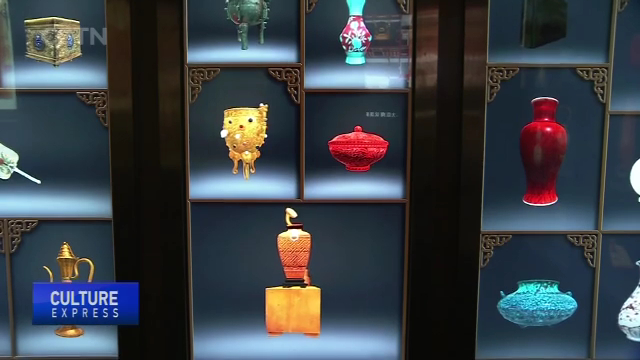
Museums have been a place of exhibits displayed on the wall or under glass covers. As digitization booms in recent years, they're also seeking ways to catch up to the trend. Some do it to reduce the pressure brought on by crowds; others, to add to their charm in the modern age. Take a look.
The Palace Museum, once China's imperial palace from 1420 to 1911, is one of the most visited tourist attractions nationwide.
Every day, tens of thousands of people come to check it out. For years, visitors could only view the imperial items afar at the gates of each palace, or from the windows. Digitalization has changed that.
LI QIONG BEIJING "If you come to the Palace Museum and you want to experience the royal families' life, rather than just taking a look from afar, then this is the place for you. It's the digital gallery at the Palace's Duanmen Gate. Behind me is a digital treasure cabinet. These vases, pots, and incense burners have never been so close to the visitors. The real ones are too fragile to put on public display. But now, as we can see, every single detail is revealed clearly, the decorations, the material, and even the gloss. I can even imagine how this precious art piece was applied as a daily necessity, hundreds of years ago. These experiences make my trip here so worthy."
Also being challenged by the overcrowding are the caves, sculptures and frescoes in the Mo Kao Grotto at Dunhuang in northwest China.
They have survived wars, environmental damage, and antique hunters. But tourism has become the biggest threat today.
An effective solution? Digitalized exhibitions.
A full dome theater, virtual reality glasses in exhibitions, and online access to the relics for people around the world.
Different multi-media means enable people to be transported into the breathtaking "virtual" Dunhuang grotto.
WU JIAN, DIRECTOR DIGITAL CENTER OF DUNHUANG RESEARCH ACADEMY "We put online 30 caves representing different periods, to form the digital platform of Dunhuang. We just want to share."
And in some other traditional museums, digitalization is also applied to add some splendor to the exhibitions.
XIE XIAOQUAN DEPUTY DIRECTOR, NATIONAL MUSEUM OF CHINA "We have tried everything related to new technologies, including the use of multi-media and human-machine interaction, in every step of the exhibition. The digital approaches seem to be quite important in the long run, especially when physical exhibitions finish at museums."
A lack of experience and some technological barriers pose big challenges to the digitalization process. But they also present opportunities for innovation and surprises. Museum managers say it takes courage to try new things, but the results are often worth it. LQ, CGTN.