
18:04, 28-Feb-2019
Full Episode – The PLA at 91: Military Mission, Reform, Restructure

Share






Copied
By Robert Lawrence Kuhn
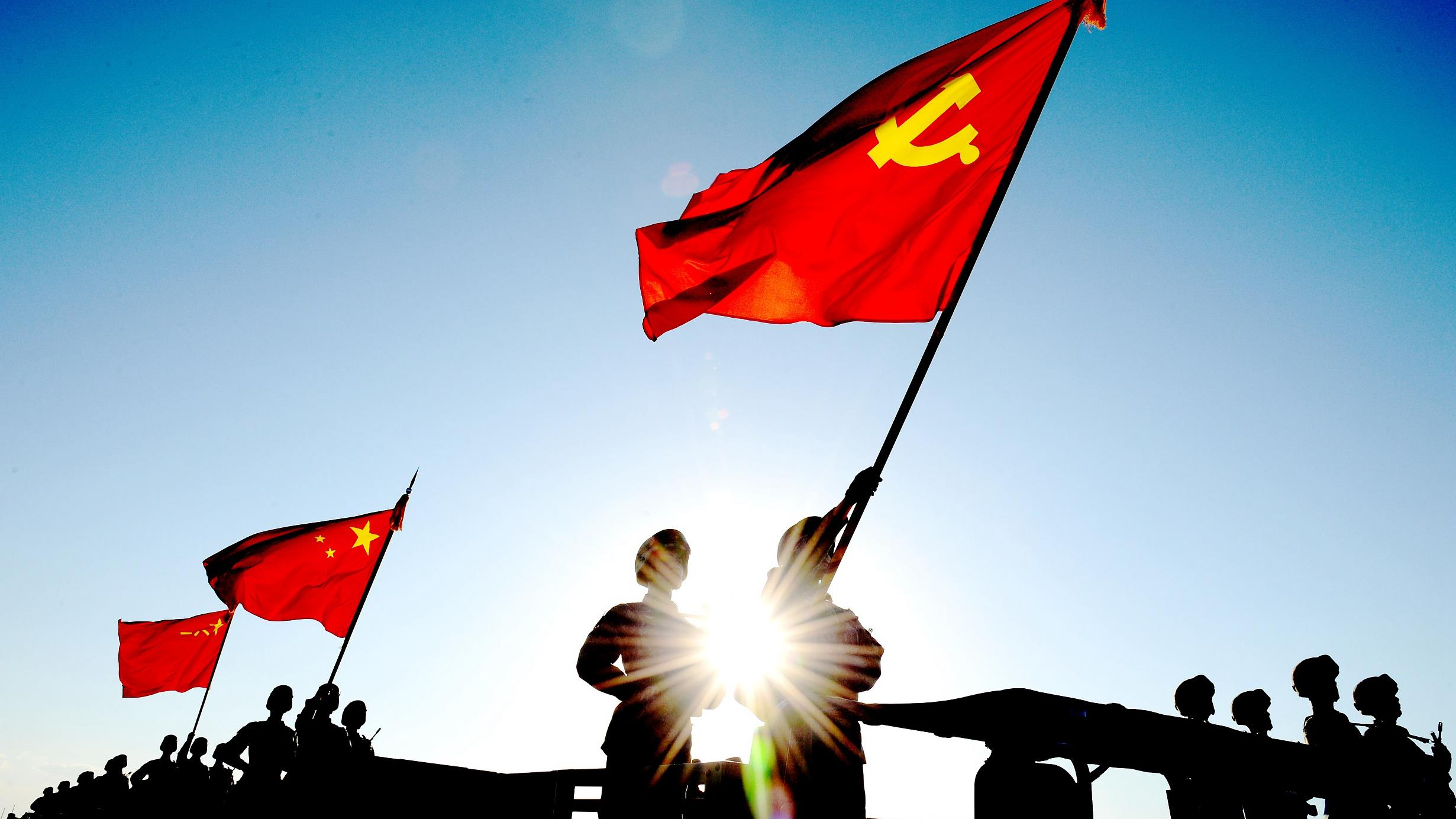
August 1st is the 91st anniversary of the People’s Liberation Army, the PLA. It was born on August 1, 1927, in the Nanchang Uprising, the first major battle of the Chinese Civil War, and, ever since, the PLA has remained under the CPC’s leadership, the PLA’s sacrosanct foundational principle. Speaking after inspecting troops, President Xi Jinping, who is also chairman of the CPC Central Military Commission, said, “The world is far from tranquil and peace needs to be safeguarded”. Certainly, sovereignty issues loom large; China faces growing challenges along its periphery, especially territorial disputes, such as in the South and East China seas. The Korean Peninsula, on China’s border, remains volatile. And military men still tell me that the Taiwan issue is the most sensitive. China today is engaged globally - with tens of thousands of Chinese workers and tens of billions of Chinese dollars exposed to the vagaries of various dangers, man-made as well as natural. Moreover, China is taking on increasing responsibilities to support UN peacekeeping. While there have been waves of PLA reforms over the years, Chairman Xi has instituted far-reaching reforms on multiple levels for multiple purposes. What are these reforms and how do they serve to address China’s new or enhanced defense and security challenges?
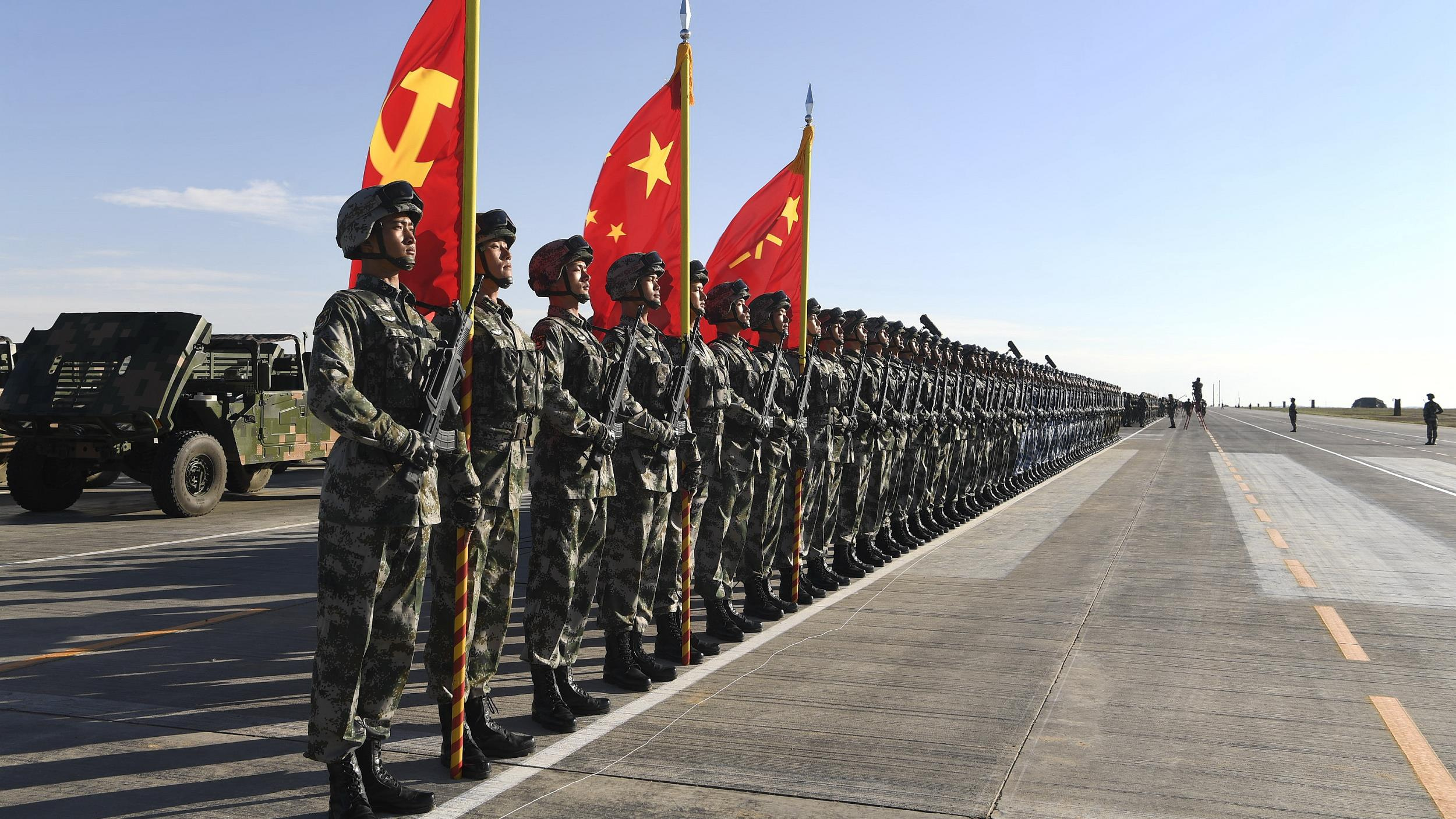
On July 30, 2017, the 90th anniversary of the establishment of PLA was celebrated in Zhu Rihe Training Base in Inner Mongolia. / VCG Photo
On July 30, 2017, the 90th anniversary of the establishment of PLA was celebrated in Zhu Rihe Training Base in Inner Mongolia. / VCG Photo
In his report to the 19th CPC National Congress in late 2017, General Secretary Xi Jinping pledged that the PLA will achieve its objectives in mechanization, informatization, and strategic capabilities by 2020, become a modernized power by 2035, and a world-class military force by 2050. PLA reform is key - especially a new joint command and control structure. The former PLA headquarters – staff, politics, logistics, and armaments – were reorganized into 15 new agencies reporting directly to the Central Military Commission. Seven military regions were reduced to five theaters, enabling commanders to field joint-force packages from army, navy, and air force. PLA ground forces were cut by 300,000, while PLA navy, air force, and cyber capabilities are being enhanced. Working in parallel, President Xi’s anti-corruption campaign has removed dozens of generals, and stressing political work intends to ensure the military’s “absolute obedience” to the Party. President Xi reiterates that China's defense policy is defensive in nature and its military strategy features “active defense” with a commitment to peaceful development. Many have questions: Will the PLA Navy continue to develop preferentially; and how many aircraft carrier battle groups will it require? How many overseas bases? As the PLA continues to grow, will the “China Threat” theory also continue to grow? Will the so-called Quadrilateral Security Dialogue among the U.S., Japan, India, and Australia seek to “contain China”, and if so, how would China react? How significant is increasing China-Africa military ties? Finally, what does it mean that the PLA intends to become, by 2050, the "world's leading military forces under new circumstances." Watching the PLA develop keeps us… Closer to China.