
14:55, 14-Aug-2019
Highlight - Community projects key to social governance

Share






Copied
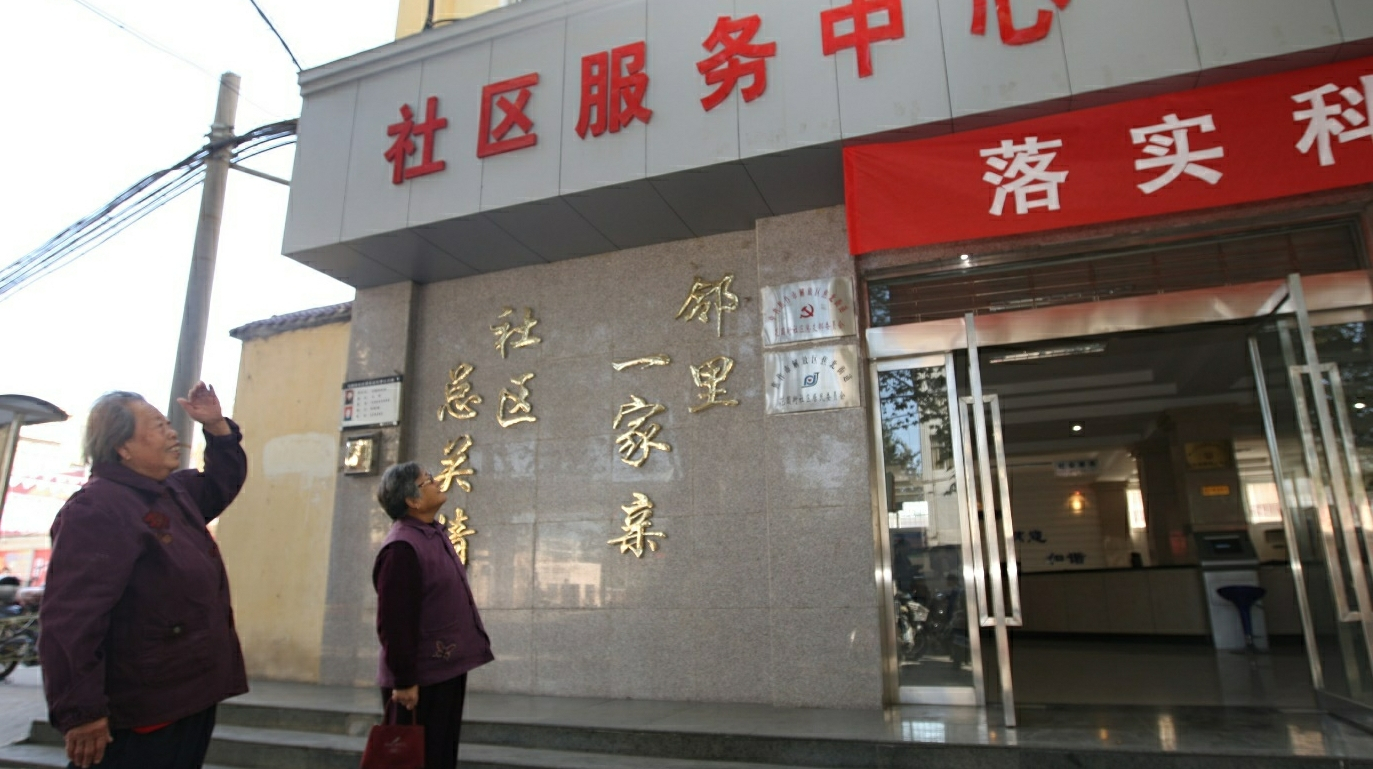
Having arrived at her residential community center in Beijing's Haidian district early for a morning law lecture, Li Junying, a 56-year-old retired worker, took occasional notes during the lecture. Afterward, she asked the lecturer, Ren Xuguang, an attorney with the Loyalty and Talent Law Firm in Beijing, for more advice about the allocation of family property.
"I went to the lecture because I need to know how the property will be allocated under Chinese law if I have a dispute with my family," Li said, adding that the lecture has given her a better knowledge of the law.
Launched in May by the district's justice bureau, the Haidian Lawyers Association and several law firms, this community project holds such lectures and invites lawyers to provide residents with easier access to legal services and to help solve disputes within the community.
The project is also now being used to exemplify a guideline issued by the Central leadership and the State Council, which urges government departments at all levels to help solve disputes more effectively by accelerating the construction of platforms and systems to provide legal services for the people.
According to the guideline, rapid and convenient legal services will be more accessible to people nationwide by 2022, and a "community counsel" can be provided for every community or village as soon as possible.
One major purpose of the guideline is to involve other entities like NGOs and communities to actively engage in legal services in order to achieve co-governance. Local communities and NGOs nowadays spontaneously organize activities to help people solve legal problems to follow the guidelines.
Instead of the top-down method the government used to adapt, the participation of NGOs and communities demonstrate the success of a combination of top-down and bottom-up approach that the government now adapts.
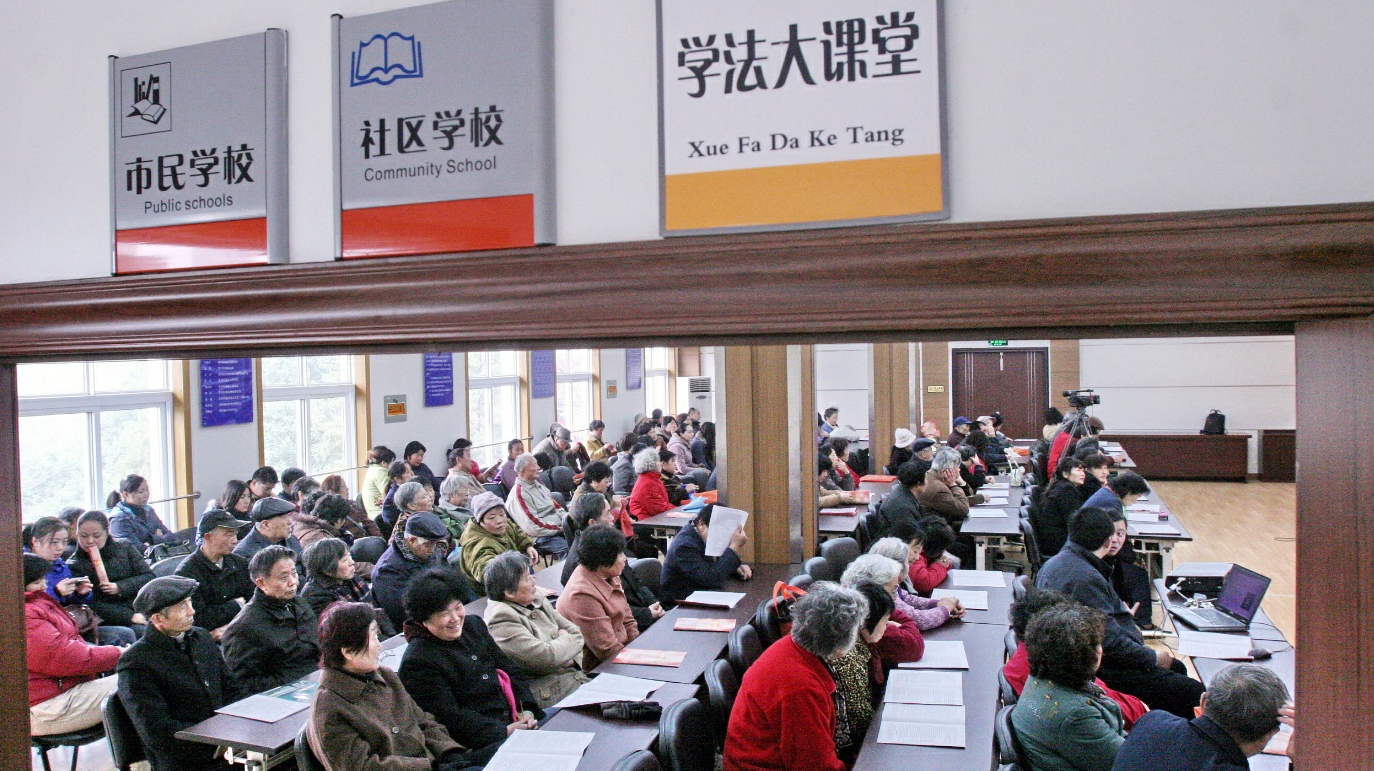
Residents attend law lecture in a community school /VCG photo
Residents attend law lecture in a community school /VCG photo
Community projects are considered a key to strengthening and modernizing social governance. The 19th National Congress of the Communist Party of China put forward the idea that social governance should accurately grasp and actively adapt to the profound changes in China's social structure, so that the government can transform itself from its current state of being the single, only entity of social governance to a regulating entity that guarantees a stable system and can create a broad, social governance model of co-governance by investing non-government local social organizations with local social responsibilities.
The modernization of the social governance is an essential element for China's comprehensive, deepening reform. Robert Lawrence Kuhn explores this matter with Feng Jun, former Councilor Member, Academy of Party History and Documentation, CPC Central Committee.
According to Feng Jun, China used to talk about management, but now have shifted to governance. The change of wording reflects a change of profound significance. Management connotes more of a top-down concept with one entity exercising authoritative power.
As for governance, it could both be top-down and bottom-up, and entities become diversified with participation of the Party, the government, the community, and the people.
China's pursuit of advanced political civilization is reflected in the gradual transformation from the traditional unified social management system to the diversified governance system.
The overall goal of comprehensively deepening reform is exemplified by the open and inclusive attitude to absorb the achievements of human civilization.