
13:46, 11-May-2019
A Taste of Asia: Rice's status at the table evolves in Japanese cuisine
Updated
17:10, 13-May-2019
 []
[]
Share







Copied
02:20
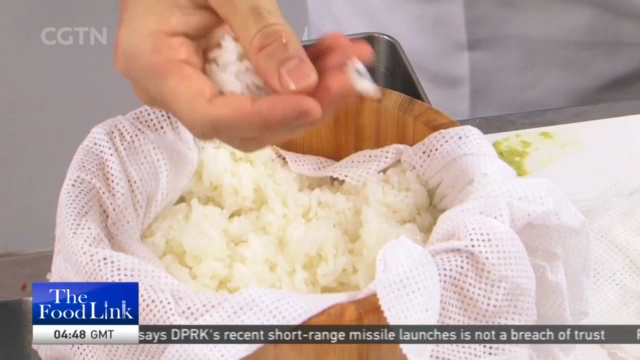
When the subject of Japanese food comes up, what's the first word that flashes across your mind? Sushi? Ramen? Maybe a bento, the take-out dishes that come in a box? No matter which you'd choose, rice will be a part of it. CGTN correspondent Terrence Terashima in Tokyo gives us a taste.
Rice has always been a staple food in Japan.
At its peak in 1961, an average Japanese consumed 118.3 kilograms of rice per year. But, in 2016, average individual consumption dropped to 54 kilograms per year.
Experts say the downturn had three main reasons.
Firstly, the younger generations' lifestyle became more westernized. They became more interested in eating meat and dairy products rather than fish and vegetables.
Secondly, an increasing number of people preferred to eat simple meals and fast food rather than to cook at home.
And thirdly, people started to avoid rice due to the high rate of diabetes in the country. Rice is rich in carbohydrates and can increase the risk of type 2 diabetes.
TADAO KOIKE FIVE-STAR 'RICE MEISTER' "In terms of people's preference, there has been little change. People are eating more brown rice or semi-polished rice, but the overall love for white rice has not changed."
Ironically, while domestic demand for rice has declined considerably, products made from rice have gained popularity.
DAIGO OSHIMA WASEDA NATURAL FOOD CENTER "To counter these trends, authorities and agricultural groups increased the manufacturing of products made from rice to maintain the level of rice consumption. And that has actually worked."
Some also realized that rice products might be healthier. That's why there has been an increasing interest in rice oil, rice flour and rice vinegar."
DAIGO OSHIMA WASEDA NATURAL FOOD CENTER "The number of people who want gluten-free food has increased, and they prefer rice flour to wheat flour because it is mostly made in Japan."
TERRENCE TERASHIMA TOKYO "Rice products have always been popular in Japan, but with the recent trend of health consciousness, the number of products has increased considerably."
In line with the change in dietary habits, some products, such as pasta, cereal and rice bread, have gained great popularity in Japan. Terrence Terashima, CGTN Tokyo.