
18:42, 27-Mar-2019
Aging China: More investment needed to tackle aging population
Updated
18:40, 30-Mar-2019
 []
[]
Share







Copied
03:28
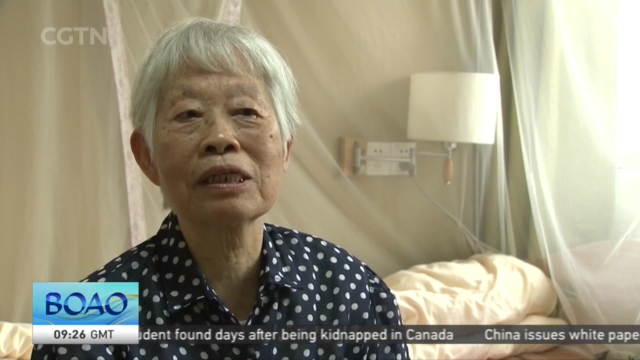
It is estimated that about a third of China's population will be over 60 by 2050. The challenges brought by the nation's aging population are weighing down on Chinese society. Is the country ready to help the elderly go through the last few years of their lives? CGTN's Li Jianhua takes a look.
Considered one of the pioneers in taking care of the elderly, this nursing home, sponsored by the Chinese government, is accommodating about 1,300 senior citizens.
Nevertheless, it's not easy to get into a nursing home like this due to limited bed availability, as well as China's rising aging population. Many of the disabled are sent here, but more are still waiting in line.
CHANG GUANGCAI DEPUTY DIRECTOR, GUANGZHOU NURSING HOME "Across China, there are not enough beds available; while in some places, there are some beds left empty. This is a structural problem, the needs and demands are not perfectly matched. China has been striving to improve nursing homes' service quality. We do see some progress, but there is an imbalance. Gaps are felt between urban and rural areas in various regions."
Some are switching to privately-owned nursing homes, but the pricing is higher, despite easy access.
This 88-year old says she's been alone at home since her husband passed away and hiring a maid was not as good as coming here.
This is true for many of the elderly living here, nearly 300 of them altogether. Some group activities help them better spend their remaining years.
CHEN YAO, CHIEF EXECUTIVE PARTNER OF SENIOR CARE BUSINESS SOUTHERN CHINA AREA OF VANKE "Most people are eyeing our high-quality service, especially our medical care facilities and capabilities. More importantly, the elderly can make new friends, and more fully enjoy life. This can help lessen the burden on their children."
Official figures showed the "over 60" demographic in China surpassed 240 million in 2017.
A third of the Chinese population will be over 60 by 2050 and the costs for elderly care are expected to hit 25 percent of the country's GDP, up from seven percent last year.
Experts believe the industrialization of the elderly care service is a double-edged sword.
LIU CHUNSHENG, ASSOCIATE PROFESSOR CENTRAL UNIVERSITY OF FINANCE AND ECONOMICS "Industrialization of the elderly care system can attract more private investment, which could help with the service's distribution to help needs meet demands. The problem is this is not merely an industry; it's also a social service. The total industrialization of this industry would make some excluded from this social service."
To offset the impact of the aging population in China, authorities allowed couples to have two children starting in 2016.
LI JIANHUA GUANGZHOU "China's birthrate is in a state of decline and its population is expected to dwindle by the late 2020s despite new child policies the government has been introducing. The expanding elderly population presents a burden on the nation's economy. In some provinces, local governments are even falling short of pensions. Experts say China has a long way to go to weather the challenges brought on by its aging population. LJH, CGTN, GUANGZHOU."