
Sports
21:40, 22-Sep-2017
Tensions with DPRK, China hurt ticket sales for South Korean Olympics
 ["china"]
Share







Copied

South Korea’s political tensions with the DPRK and China are depressing ticket sales for the 2018 Winter Olympics in the South Korean city of Pyeongchang, leaving hundreds of thousands of tickets unsold, the organizer said on Friday.
France said on Thursday its Winter Olympics team will not travel to South Korea if security cannot be guaranteed, as tensions escalate over the DPRK’s nuclear program following its sixth and largest nuclear test on Sept. 3.
Hurting ticket sales in China, Beijing has banned group tours to South Korea following Seoul’s decision to deploy a US anti-missile system to counter DPRK's threats. Beijing says the system’s powerful radar is a threat to its security.
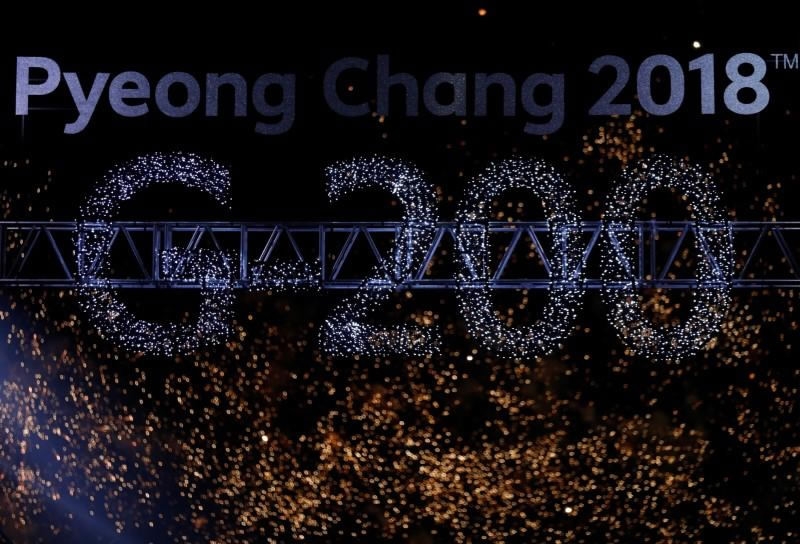
Fireworks explode in the sky to mark 200 days before the 2018 Pyeongchang Winter Olympic Games in Chuncheon, South Korea, July 22, 2017. /Reuters Photo
Fireworks explode in the sky to mark 200 days before the 2018 Pyeongchang Winter Olympic Games in Chuncheon, South Korea, July 22, 2017. /Reuters Photo
“The political issues are having an impact on ticket sales,” said Eom Chan-wang, director general of marketing bureau at the Pyeongchang Organising Committee for the 2018 Olympic and Paralympic Winter Games.
“China, which represents the biggest market, barely bought tickets so far,” he said in an interview with Reuters on Friday.
The Games are to be held in February 2018, but as of Sept. 18, only 312,000 tickets were sold, about 29.2 percent of its targeted sales of 1.07 million tickets.
Some 191,000 tickets were sold overseas, 59.7 percent of the target sales of 320,000 tickets. Organizers aim to sell 750,000 tickets at home, but so far only 120,000 tickets were sold or 16 percent of the target.

Medals for the Pyeongchang 2018 Winter Olympic Games are seen during its unveiling ceremony in Seoul, South Korea, on September 21, 2017. /Reuters Photo
Medals for the Pyeongchang 2018 Winter Olympic Games are seen during its unveiling ceremony in Seoul, South Korea, on September 21, 2017. /Reuters Photo
However, Games organizers expected sales to rise in China, once people are allowed to directly buy tickets online from Oct. 16, instead of going through “authorized ticket re-sellers.”
“There will be no problems with selling all of the tickets, but the biggest task is how many celebrities and VIPs will come from overseas to boom up the event, which will be affected by the geopolitical situation,” said Eom.
He said the government was trying to encourage the DPRK's athletes to participate in the Games to ensure safety during the event.
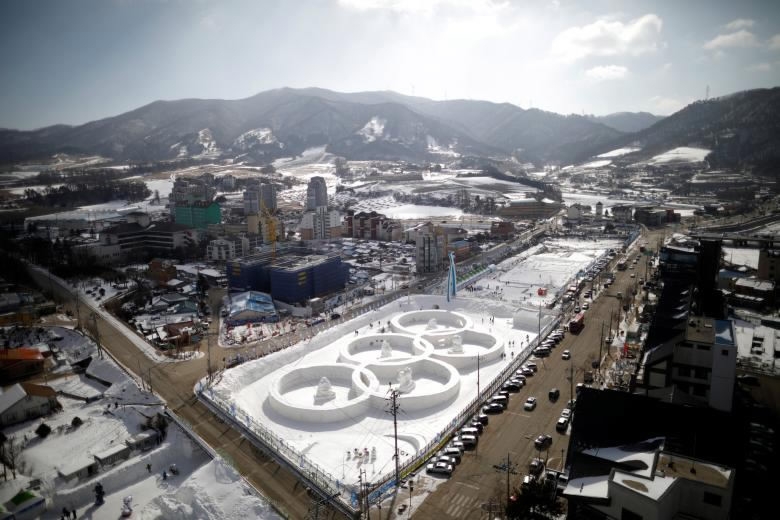
An ice sculpture of the Olympic rings is seen during the Pyeongchang Winter Festival, near the venue for the opening and closing ceremony of the 2018 Winter Olympic Games in Pyeongchang, South Korea, on February 10, 2017. /Reuters Photo
An ice sculpture of the Olympic rings is seen during the Pyeongchang Winter Festival, near the venue for the opening and closing ceremony of the 2018 Winter Olympic Games in Pyeongchang, South Korea, on February 10, 2017. /Reuters Photo
A Gallup Korea poll earlier this month found that 58 percent of South Koreans don’t think another war will break out on the Korean Peninsula, the second-highest percentage since the survey first began in 1992.
Eom expected South Koreans to rush to buy tickets as the Games near, as they did in previous international events in South Korea.
A corruption scandal in South Korea involving former President Park Geun-hye and large businesses including Samsung has also dented the image of the Games, which were also implicated in the scandal, said Eom.
However, the organizing committee aims to break even or make a profit on the Games, by raising more money from public corporations and the government, Eom added, noting that an additional government budget and lottery sales will also help the committee break even.
Source(s): Reuters