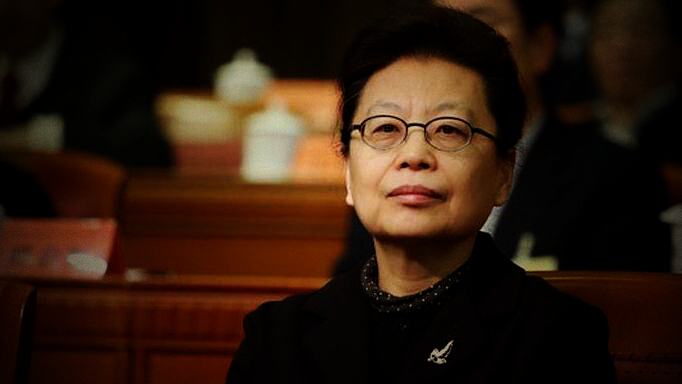
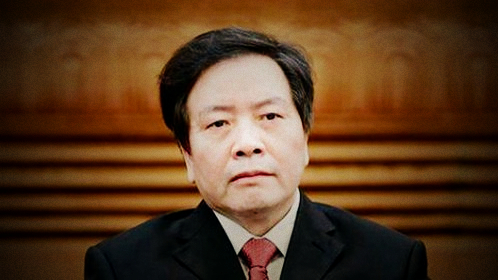
On December the first, Lyu Xiwen, former deputy Party chief of Beijing, stood trial for racking up 18.79 million yuan (around 2.73 million US dollars) worth of bribes. The hearing came almost one year after Lyu was put under investigation, in a case that signaled the widening compass of the country’s crackdown on corruption which by then had brought down officials in the upper echelons in 31 municipal- and provincial-level regions across the mainland. One day before, Zhou Benshun, ex-Party chief of Hebei Province pleaded guilty to graft charges. The back-to-back proceedings of the two former senior Party officials were the latest in a string of high-profile cases including up to 30 officials at or above provincial levels, among others with different political ranks, who have been put on trial in 2016 so far.
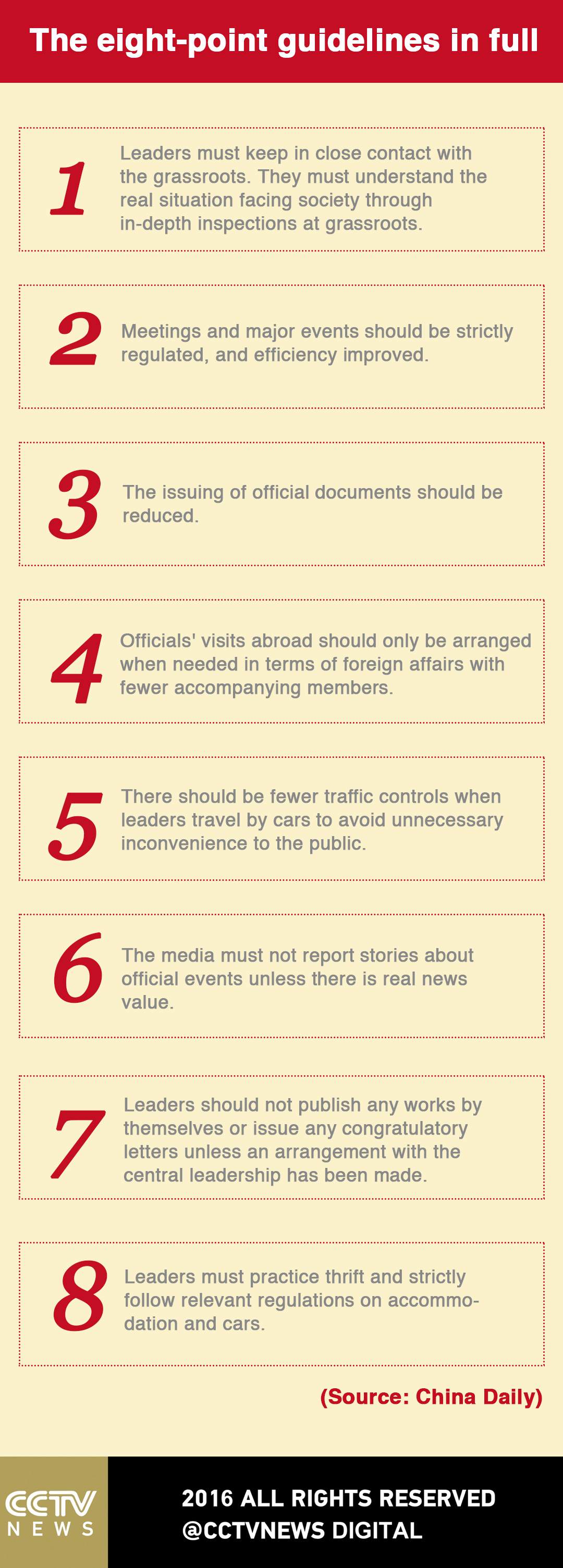
This year’s anti-graft achievements are a faction of a larger campaign against corruption, which has spun for the past four years with the aim of ridding the Party from unscrupulous and dishonest conduct. The ongoing clampdown on corruption was launched after the 18th Communist Party of China (CPC) National Congress in late 2012. Since then, the Party’s leadership has launched a foray to change the overall Chinese political environment with the Political Bureau of the CPC Central Committee adopting, this same day four years ago, a document to improve the work styles of the Party members and clean up undesirable behavior such as formalism, bureaucracy, hedonism and extravagance.
The “eight-point” discipline regulation against bureaucracy and lavishness has since brought about an anti-corruption drive that has struck "tigers" (high-level officials) as well as “flies” (low-level officials).
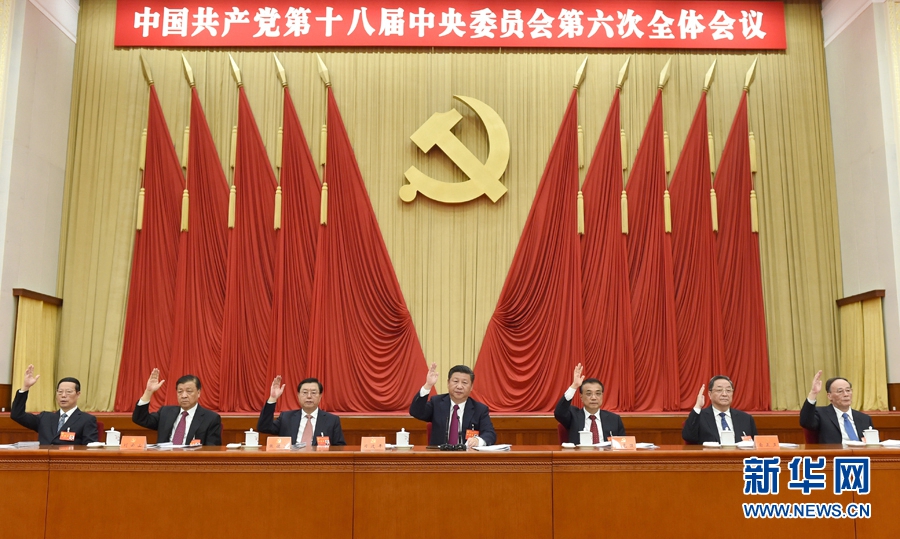
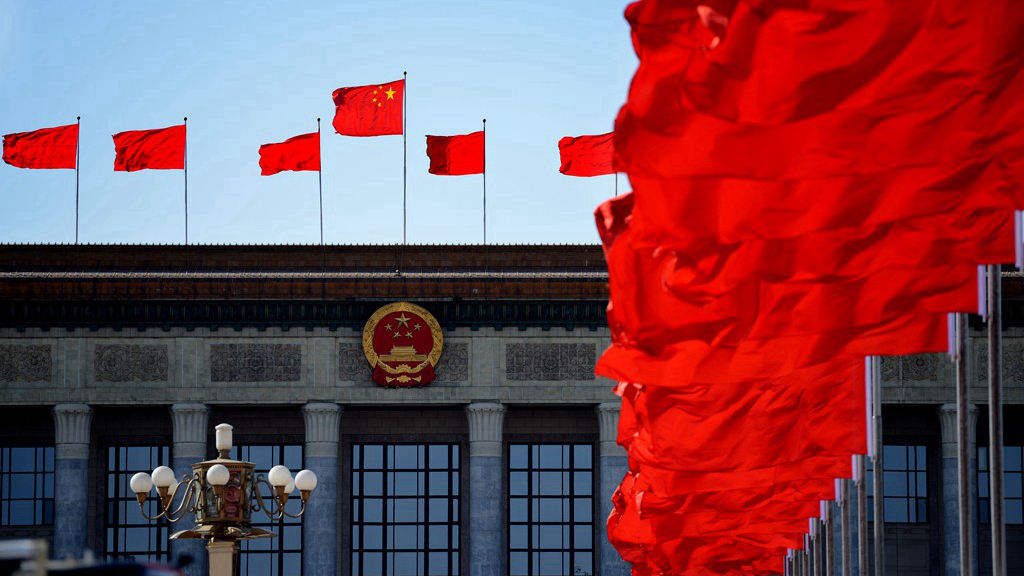
The sixth plenum of 18th CPC Central Committee/Xinhua Photo
The sixth plenum of 18th CPC Central Committee/Xinhua Photo
By the end of October, over 146,000 disciplinary violations of the “eight-point” guidelines had been investigated, and more than 196,000 members of the Party had been dealt with, according to data published on Saturday by the CPC's Central Commission for Discipline Inspection.
The country’s disciplinary and auditing authorities have also been ordered to play their role to ensure the implementation of the guidelines at various levels, both in the Party organizations and the governments.
The CPC disciplinary branches across the country have already launched over one million investigations between 2013 and September 2016. More than a million Party members were given warnings or punishments, or had their cases transferred to judicial authorities.
Among the incarcerated officials as high as former Party’s Political Bureau standing committee member Zhou Yongkang and Guo Boxiong, ex-deputy head of China’s military.
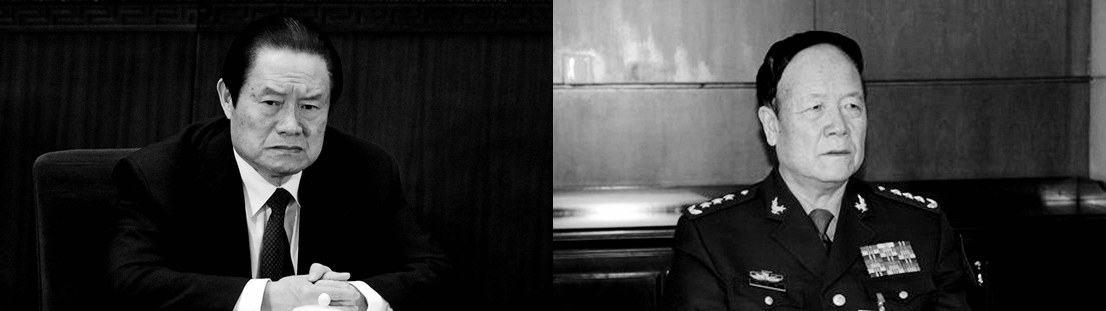
File Photos of Zhou Yongkang (L) and Guo Boxiong (R)
File Photos of Zhou Yongkang (L) and Guo Boxiong (R)
Moreover, the trials have been open to the public, adding a layer of transparency to the proceedings. But despite the noteworthy development, some sessions are still held behind closed-doors for national security reasons.
After the sixth plenum of 18th CPC Central Committee in October, Chinese President Xi Jinping, who is also the Party’s General Secretary, demanded senior Party members and high-ranking officials take the lead in setting good examples when it comes to political conduct.
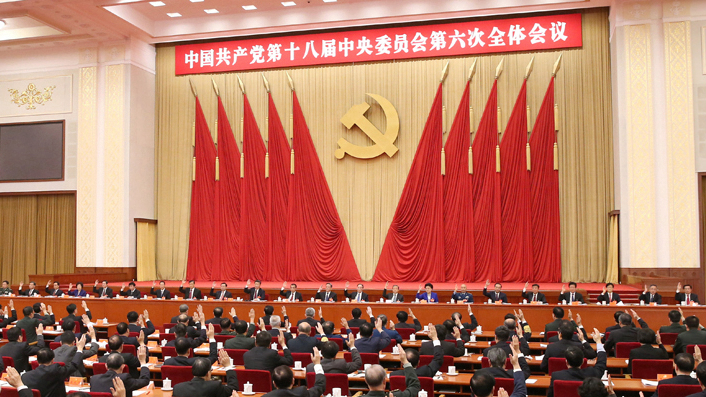
The sixth plenum of 18th CPC Central Committee/Xinhua Photo
The sixth plenum of 18th CPC Central Committee/Xinhua Photo
"When this group of people is managed well and play exemplary roles for the Party, many things get a lot easier," Xi had said, asserting that advancing supervision should start with officials to rule out the possibility of giving the impression of leading an extravagant lifestyle.
On Wednesday, the Political Bureau announced the tightening of benefits for Party and state leaders, both present and retired figures, in a bid to “expand and upgrade” the “eight-point” guidelines, starting with its members first.
"To forge an iron, one must be strong oneself," read the statement released by the Political Bureau.

 []
[]