
19:10, 15-Jan-2019
Berber New Year: Algeria revives age old tradition marking start of agricultural year
Updated
20:35, 17-Jan-2019
 []
[]
Share







Copied
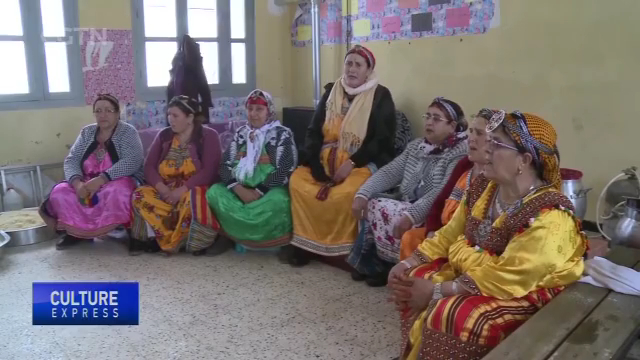
Algeria is REVIVING a decades-old tradition of CELEBRATING the agricultural NEW YEAR with an event called the Yenna-Yer festival. It was popular among all north African berber communities and was marked on the first day of the year. But it hasn't been celebrated for the last fifty years. Dinah Ma'tengo reports.
12 January is a special day for the people of Algeria. In Iguersafene village, Tizi Ouzou province of the North African country, special meals are made and symbolic rites carried out. All this to celebrate the recently, officialised holiday-Yennayer Day. It is a happy season for the people in this village.
MEZIL ALI VILLAGE COMMITTEE CHIEF "We celebrate Yennayer every year, we proceed today to resurrect all the activities we had in ancient times. We do not forget our ancestors and we have to perpetuate and leave this cultural heritage for the future generations."
This festival used to be observed in countries with Berber populations such as Mali, Mauritania and Algeria. It should be celebrated on the first day of the year in the North African agricultural calendar.
Elders in the area are keen to pass down these customs to the youth. This year, a traditional Kabyle wedding takes place during the festivities.
After the wonderful meal, a group of women bring the bride and groom while singing praises to the couple. Henna is made for the bride and groom. This is usually done by an elderly lady from the groom's family.
RAAB ZAHIA EVENT ORGANIZER "If we followed the customs of our ancestors, we would not have obstacles in marriages today. The customs of our ancestors carry simplicity, beauty, brotherhood and solidarity between people. Whenever a wedding ceremony was taking place, all citizens of the village would give a hand to help the couple either by offering gifts or by a symbolic amount of money to allow them to pay back their debts of the wedding."
Algeria last celebrated the Berber New Year on January 12, 1969. It is now the first country in the North African region to make efforts towards restoring the festival.