
19:53, 07-May-2019
HIV in Asia: Self-testing kits now available in Thailand
Updated
19:50, 10-May-2019
 []
[]
Share







Copied
03:02
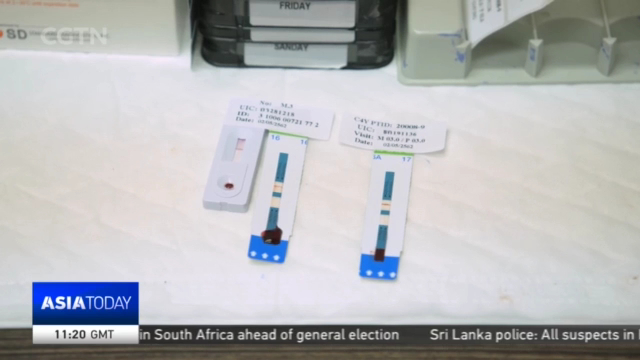
Meanwhile, Thailand has one of the highest prevalence rates of the HIV virus in Asia. To improve the situation, self-examination kits are now freely available to buy, allowing people to test themselves in the privacy of their own homes. Our correspondent, Dusita Saokaew has more.
This is possibly the longest 20 minutes of Payu's life as he sits alone at a table staring at a test strip as it absorbs a drop of his blood. Soon, lines will appear. Two lines would indicate he may be HIV-positive, one line, that he is virus free.
Payu belongs to the high-risk population that Thailand's FDA are targeting with the recent approval of HIV self-testing kits. While the number of people living with HIV/Aids in Thailand has been declining over the past 2 decades, the country still remains one of the hardest hit in Asia.
DR. TARES KRASSNAIRAWIWONG SECRETARY GENERAL, FOOD & DRUG ADMINISTRATION, THAILAND "There are groups that don't want to be tested at hospitals like youths, men who have sex with men, or intravenous drug users. We want to reach these groups with this new testing method."
Thailand's HIV testing method has not changed significantly over the years, in that it has to be done under the care of doctors or medical professionals.
In 2017, the number of new infections was around 5,500 cases. That's around 15 cases each day. Of that, at least 2 positive tests are delivered to patients at this community-led clinic in the heart of Bangkok's red light district.
But soon, the testing paradigm will change when self-test kits hit the mass market at a price around $10-$30.
CHAMRONG PHAENGNONGYANG DEPUTY DIRECTOR, SERVICE WORKERS IN GROUP FOUNDATION "If we want to end AIDs before 2030, we can't sit and wait for people to go to clinics. We are very excited about this approval. It gives people more options in testing; it's faster and more convenient."
But a major concern once these test kits hit the mass market is that leaving people to test on their own, may lead to self-harm without proper psychological counseling and understanding about the virus.
DUSITA SAOKAEW BANGKOK "The rate of new infections is rising among Thai youths, as well as men who have sex with men. And it's these groups that are most reluctant about getting tested because of the stigma still attached to HIV. So Removing human intervention could potentially transform testing for the virus, increasing the number of people to know their status and begin treatment."
Test at home, or test at clinics, for health workers, it really doesn't matter because, in the face of infectious disease, knowledge is power.
And for Payu, tests like this gives him the knowledge to make choices on the options for treatment or prevention. Luckily, the test shows one line. He breathes a huge sigh of relief that, for now, it will be prevention, not treatment, that he will be thinking about.
Dusita Saokaew, CGTN, Thailand.