
16:33, 20-Feb-2019
Germany's Controversial Anker Centers: Refugees complain of conditions, ask to speed up vetting process
Updated
16:30, 23-Feb-2019
 []
[]
Share







Copied
03:24
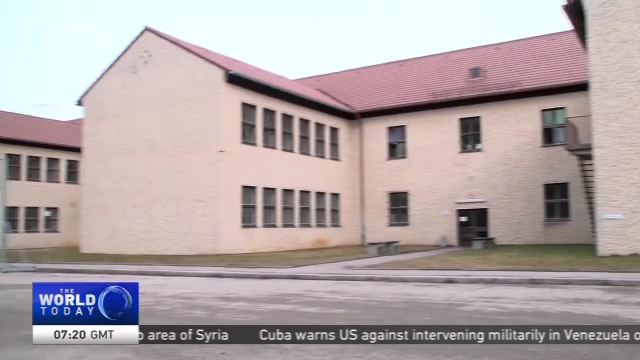
The issue of immigration remains a very heated one in Germany. ANKER centers, or "reception facilities", were set up across its southern state of Bavaria last year. According to the government, this was to help streamline the asylum process. Yet six months on, many critics of Germany's hardening immigration laws are calling for these centres to be closed down for "inhumane living conditions" and exceptionally long periods of forced stay. CGTN's Natalie Carney has more.
Roughly 70 percent of asylum seekers housed in this facility west of Munich are from Nigeria. The rest are from other impoverished or war-torn states. They spend their days learning German or computers and have access to healthcare and three main meals a day. They are awaiting a final decision on their asylum application from the federal bureau for migration and refugees or BAMF.
MARIA ELS PRESIDENT OF UPPER BAVARIA GOVERNMENT FGERMAN "When an asylum application gets approved, it takes normally 4 weeks and then the asylum seekers can leave the shelter. In cases with negative results, and when the decision is being appealed, you have to add the duration of the court process. This sometimes results in staying in the reception facility for longer than 1 year. The average time at the moment is 8 months."
MONIKA GORIS CENTRAL FOREIGN OFFICE OF UPPER BAVARIA "When an applicant applies for asylum at the federal office, there is a certain period of time that he or she needs to stay in the reception facility, according to their country of origin. This can be 6 weeks or a longer term. This is regulated by paragraph 47 in the asylum law."
NATALIE CARNEY FURSTENFELDBRUCK, GERMANY "Under Germany's Asylum act, asylum seekers need to be accessible so these refugee centres provide them with an address. However, the condition under which these applicants are being held is facing sharp criticism."
26-year-old Ojiwan Giddion is from Nigeria and spent two years on the streets in Italy before coming to Germany. He is very anxious about a decision on his case.
OJIWAN GIDDION NIGERIAN REFUGEE AT ANKER CENTER "Since I've been here, it's up to a year now. 11 months plus I've been here. Other people are here one-year six months, two years. The lowest person you see here is four months. My own problem here is that the system in this camp is dead, it's not working. They are working very slow, sluggish."
Opponents accuse the government of systematically building barriers. Complaints have also been made of over-crowded rooms, restricted access to food and rigorous regulations. Once a week, a local NGO provides an "infobus" outside the centres where asylum seekers can ask legal questions about their cases.
LULU KINSKI MUNICH REFUGEE COUNCIL "In our opinion, they do not want the refugees to have easy access to consultation. It's systematically trying to destroy the people who are in there so they leave again or don't even come."
According to Germany's Interior Ministry, the processing times for asylum requests are improving, taking on average six months. Yet opponents say that is only for exceptional cases. Germany's liberal approach to the refugee crisis of 2015 nearly cost Chancellor Angela Merkel her political carrier so now her successor as leader of Germany's ruling CDU party Annegret Kramp-Karrenbauer does not want to make the same mistakes. Natalie Carney, CGTN, Fürstenfeldbruck, Germany.